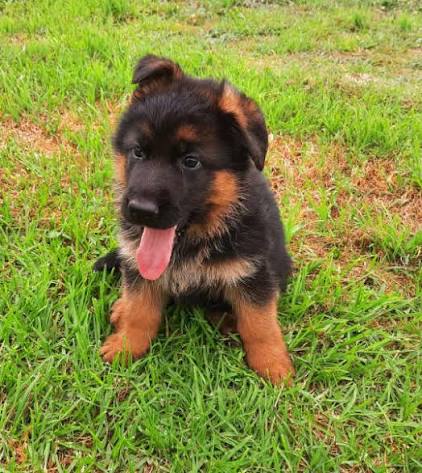
A puppy can look adorable in photographs, but you’ll learn much more about its health when you see it in person. Before choosing German Shepherd puppies, spend some time observing how they behave in their usual environment. You don’t need veterinary training to notice certain warning signs, although a professional examination is still essential. Knowing what to look for can help you ask better questions and make a more informed decision.
Look Closely At The Puppy’s Physical Condition
Start by observing the puppy while it’s awake and moving around. Its eyes should appear clear, without persistent redness or unusual discharge. Check the coat for bald patches or irritated skin, and notice whether the puppy scratches excessively. A healthy puppy should also have a reasonable body condition for its age, without appearing unusually thin.
Pay attention to how the puppy walks. Young German Shepherds can be clumsy, especially during play, but persistent limping or difficulty standing deserves attention. If you notice anything concerning, ask the breeder whether a veterinarian has examined the puppy.
Understand What Normal Puppy Behavior Looks Like
German Shepherd puppies often have bursts of energy followed by long naps. You might see a puppy enthusiastically playing with its littermates before falling asleep shortly afterward. This is normal for growing dogs that need plenty of rest. But when the puppy is awake, look for curiosity and responsiveness to familiar people. Some puppies are naturally reserved, so don’t assume a quieter personality indicates poor health. However, persistent weakness or unusual lethargy should prompt further questions.
Ask About Health Records Before Making A Decision
Even healthy-looking German Shepherd puppies can have medical conditions that aren’t visible during a short visit. Request records showing which vaccinations and deworming treatments the puppy has received. Ask when its most recent veterinary examination took place and whether any concerns were identified.
The parents’ medical history is equally important. German Shepherds can develop inherited conditions such as hip and elbow dysplasia, so ask whether the breeding dogs have undergone appropriate screening. A responsible breeder should be willing to share available results and explain what they mean.
You should also find out what the puppy has been eating and whether it has experienced digestive problems. Consistent feeding habits and normal stools can provide additional clues about its current condition.
Arrange A Veterinary Examination After Bringing Your Puppy Home
Schedule an appointment with your veterinarian soon after pickup, even if the breeder has already provided health records. Your veterinarian can examine the puppy and help you establish an appropriate care schedule as it grows.
Choosing a healthy puppy requires careful observation and reliable information from the breeder. Take your time reviewing what you learn rather than making a decision based on appearance alone. The attention you give to your puppy’s health now can help you recognize its needs as it develops.