
HIV Foundation Business Hydroponic Sustainable Practices: Nurturing Healthy Plants and a Healthy Planet

Hydroponic Sustainable Practices: Nurturing Healthy Plants and a Healthy Planet

Hydroponic farming offers an efficient and innovative way to cultivate crops, but like any agricultural system, it can have environmental impacts. To ensure the long-term sustainability of hydroponics, it’s crucial to adopt sustainable practices that minimize resource use, reduce waste, and promote environmental responsibility. In this guide, we’ll explore key sustainable practices for hydroponic farming. For more information regarding hydroponic plant one can visit our site https://hydroponicglobal.com.au/.

1. Efficient Resource Use:

Water Efficiency:

– Utilize recirculating systems that capture and reuse water to minimize water consumption.
– Implement water-saving techniques such as automated drip irrigation and precise nutrient delivery to minimize runoff.

Energy Efficiency:

– Use energy-efficient lighting, such as LED grow lights, to reduce electricity consumption.
– Implement timers and sensors to optimize lighting and climate control.

2. Sustainable Nutrient Management:

– Develop precise nutrient management plans to avoid overuse and nutrient imbalances.
– Use organic and environmentally friendly nutrient solutions when possible.
– Implement nutrient recycling systems to capture and reuse excess nutrients.

3. Pest and Disease Management:

– Embrace integrated pest management (IPM) practices that minimize the use of pesticides and focus on prevention and biological controls.
– Regularly inspect plants for signs of pests or disease and take immediate action when needed.

4. Renewable Energy Sources:

– Consider using renewable energy sources, such as solar panels or wind turbines, to power hydroponic systems and reduce reliance on fossil fuels.

5. Sustainable Growing Media:

– Choose growing media that are renewable and environmentally friendly, such as coconut coir or peat alternatives.
– Implement a system for recycling and reusing growing media whenever possible.

6. Biodiversity Promotion:

– Create habitats for beneficial insects and pollinators to help control pests and promote biodiversity.
– Consider planting companion plants that deter pests or attract beneficial insects.

7. Waste Reduction:

– Minimize plastic waste by reusing or recycling containers and materials.
– Implement composting systems for organic waste generated in the hydroponic operation.

8. Monitoring and Data Analysis:

– Use technology and data analysis to monitor and optimize resource use, nutrient levels, and environmental conditions.

9. Sustainable Packaging:

– Choose sustainable packaging materials, such as biodegradable or recyclable options, when packaging hydroponic produce for sale.

10. Education and Outreach:

– Educate staff and the community about sustainable hydroponic practices to build awareness and support for environmentally responsible farming.

11. Soil Health Conservation:

– While hydroponics doesn’t use soil, it’s important to advocate for soil health and conservation in broader agricultural contexts to support overall sustainability.

12. Certification Programs:

– Consider seeking certification from relevant organizations or agencies that recognize sustainable farming practices in hydroponics.

13. Continuous Improvement:

– Continuously assess your hydroponic operation for opportunities to improve sustainability. Stay informed about new technologies and best practices in the field.

Conclusion:

Sustainable practices in hydroponic farming are essential to minimize environmental impacts, conserve resources, and ensure the long-term viability of this innovative agricultural method. By adopting these sustainable practices, hydroponic growers can play a crucial role in providing fresh, healthy food while contributing to a more sustainable and environmentally responsible future.

 

Leave a Reply

Your email address will not be published. Required fields are marked *

Related Post

Reasons Why You Should Hire Experienced Pergola BuildersReasons Why You Should Hire Experienced Pergola Builders

If you are planning to build a pergola, you should consider hiring experienced gazebo builders for the construction. These professionals have the expertise needed to construct safe and sturdy posts. The most important aspect of hiring a professional is the reliability of the finished product. Read on to learn more. In addition to safety, experienced pergolas central coast builders are also responsible for the maintenance and durability of the structure.

Choosing a gazebo builder

When it comes to selecting the right materials for your gazebo, choosing a wood gazebo builder is an essential step. Wood gazebos are typically made from cedar, redwood, or bamboo, but you can also find a variety of other materials. Redwood is one of the most popular wood types for gazebos, but it is expensive and requires frequent staining. Cedar is a good choice if you want a gazebo that is softer and rot-resistant. Both cedar and bamboo have unique characteristics that make them ideal for gazebo construction.

Depending on the type of materials you choose, you can expect to spend anywhere from $8,500 to $23,300 for a fully enclosed gazebo. Glass walls add $5,000 to $8,000, and can protect the structure from harsh weather. Your budget should also be taken into consideration when selecting a gazebo builder. A typical backyard pavilion can run anywhere from $1,500 to $7,500, but if you want to add fancy accessories, such as a bar, you’ll have to spend an extra $5,000 to $8,000.

Deck Builders Oakland Partners – Oakland Deck Builders

Finding a gazebo builder

When you’re thinking about adding a gazebo to your yard, you’ll need to choose a sturdy material for the floor. Some homeowners choose brick, as it is low maintenance and looks beautiful in a garden or green space. However, this type of material can be costly, and needs to be leveled before being installed. Another important consideration is the safety of young children, as brick is very hard and can cause a lot of pain.

In addition to a strong foundation, a gazebo requires sturdy posts, and can greatly increase the value of your home. You can make it yourself, or outsource the work to a gazebo builder. A good plan is the key to success, as well as the type of timber you should use. It is also a good idea to talk with your contractor about the best materials and options for your gazebo.

Cost of hiring a gazebo builder

If you’d like to build your own gazebo in your yard, you’ll likely want to consider the cost of hiring an experienced gazebo builder. This service will likely be worth the cost, as gazebos can be expensive projects. Depending on the size and material you choose, a timber gazebo can run anywhere from $4,000 to $12,000, with larger models costing more. The costs will also vary depending on what shape you choose, the overall design and size of the gazebo.

The cost of brick flooring can range from $11 per square foot to $18 per square foot, depending on how large the gazebo is. However, brick is relatively low maintenance and looks great in green spaces and gardens. It also requires leveling and may be painful for young children. Therefore, it’s important to choose an affordable flooring material for your gazebo. Moreover, you should be aware of the risks of falling on bricks.

Reliability of gazebos built by a professional

A hardtop gazebo has many advantages over a canvas one. For one thing, they are able to stay up all season long. You can even place one over a hot tub or dining set. A hardtop gazebo can also be used year-round since it does not require winterization. When choosing between hardtop and canvas gazebos, you should consider how much space you need to fit a gazebo in your yard.

Whether the gazebo is DIY or built by a professional depends on the type of materials used. Polycarbonate roofs retain heat from the sun during the summer and honeycomb or monolithic carbonate roof panels can allow some light to penetrate. A well-built gazebo can last for up to 12 years. There are several other benefits to hiring a professional to build your gazebo.

Getting a quote from a gazebo builder

While some people prefer to build their own gazebos, this can be very expensive and you should ask your local contractor for a quote. Before you start building a gazebo, make sure that you check the building codes in your area. You should also check with the local utility company before you start digging the ground. Then, you can determine the price of building a gazebo and the materials that you need to construct it.

Typically, a wooden gazebo costs anywhere from $4,000 to $6,500, but you can also choose a metal gazebo for much less. Metal gazebos are durable but are often more expensive. They are also less aesthetic than wooden gazebos but are structurally sound. Vinyl gazebos are low-maintenance but can look similar to wood. Bamboo and redwood are both attractive and durable but can have issues with shrinkage, which could cause structural problems.

Ultimate Guide To Security Solutions In GeelongUltimate Guide To Security Solutions In Geelong

In an era where safety and security are paramount, the demand for reliable security services has never been more critical. Geelong, a thriving city known for its vibrant community and rich heritage, is home to several security companies dedicated to protecting both residential and commercial properties. These companies offer a range of services, from surveillance and alarm systems to on-site security personnel, ensuring peace of mind for businesses and homeowners alike.

This article delves into the landscape of security companies in Geelong, exploring their services, innovations, and commitment to safeguarding the community. Whether you’re looking to enhance your property’s security or seeking professional advice on safety solutions, understanding the local options is essential for making informed decisions. Join us as we navigate the key players and offerings that contribute to a safer Geelong.

Comprehensive Security Solutions

Security companies in Geelong provide a broad spectrum of services tailored to meet the needs of various clients. These services include advanced surveillance systems, alarm installations, and professional monitoring to ensure 24/7 protection. Furthermore, on-site security personnel play a vital role in deterrence and immediate response to potential threats. For those looking for a specialized approach, working with a reputable security company geelong can offer customized strategies that enhance both residential and commercial security measures.

Innovative Technology and Community Safety

The integration of smart technology into security services has revolutionized the way safety is managed. Companies in Geelong are increasingly adopting features such as remote access controls, mobile monitoring, and AI-powered surveillance systems, allowing property owners to stay informed about their security status in real time. Beyond technology, these firms are deeply committed to fostering community relationships, conducting safety seminars, and promoting awareness campaigns that empower residents to take proactive steps toward their own security. This collaborative approach not only enhances individual safety but also strengthens the overall resilience of the community.

In conclusion, the landscape of security companies in Geelong reflects a robust commitment to protecting the community through advanced technology and personalized service. As residents and businesses navigate an ever-evolving security landscape, the diverse offerings of local firms—from state-of-the-art surveillance systems to dedicated on-site personnel—ensure that safety remains a priority. The proactive engagement of these companies not only enhances individual security but also cultivates a culture of vigilance and cooperation within the community. By staying informed and leveraging the available resources, Geelong’s residents can foster a safer environment for all, demonstrating that when it comes to security, collaboration and innovation go hand in hand.

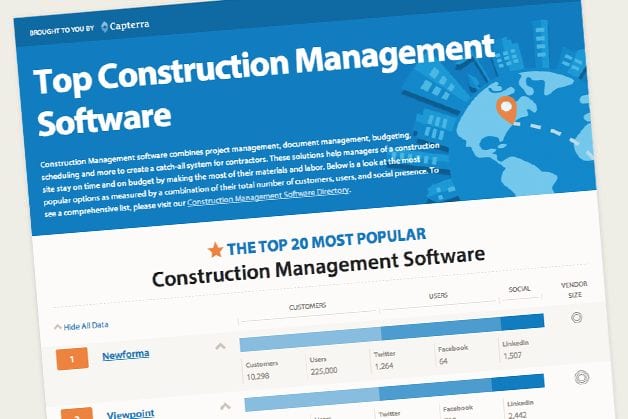
The Key Benefits of Construction Management SoftwareThe Key Benefits of Construction Management Software

Construction management software helps track and monitor staged projects. It can also provide information on project deadlines and status. But construction management software can be expensive, especially for small organizations. Organizations must also provide sufficient time to train their staff on how to use it. Also, introducing new solutions can require some time. So, it is essential to know how to choose the right construction management software for your company. This article provides an overview of some of the major benefits of construction management solution software.

Reduces rework

Construction management software is a powerful tool for any construction firm. Whether a company uses an end-to-end or a simple point-and-click system, it can reduce the risk of costly rework. It can also help reduce design errors, which can lead to costly rework. The following tips will help construction managers reduce the risk of costly rework. First, decide how to gather data. Consider hiring an outside consultant to help.

The 7 Best Construction Management Software |

Improves communication

Construction management software streamlines and standardizes processes in construction projects. It can track projects’ expenses, schedules, contracts, and resources. It also provides a centralized location for project information and communication. Users of the software can easily view project details, communicate with key personnel, and monitor the budget. By providing project managers with the most up-to-date information, construction software can greatly improve the communication and coordination between all project stakeholders.

Reduces cost

Construction management software has many advantages for building and construction businesses. It can reduce costs by eliminating errors and rework. It also allows users to make changes in real time without having to wait for physical documentation. This technology also improves productivity and efficiency, which means lower operating costs. A McKinsey report outlines the benefits of construction software. Read the article to learn more. This article will give you some tips for reducing costs and increasing productivity in your construction business.

Helps with budgeting

One of the most important aspects of any construction business is the ability to control costs and ensure that projects are completed on time. Construction management software helps contractors to do this by improving budgeting throughout a project. With accurate cost estimations, they can anticipate potential problems and respond appropriately. By following a structured budgeting process, they can reduce costs and maximize profits. Here are some reasons to use construction management software. These include: Budgeting and cost control software helps keep track of costs and revenue; calculating a firm’s profit and loss; and predicting future cash flows.

Aids in project estimation

Using construction management software can make your life much easier. Instead of spending hours tracking down clients, chasing them down for follow-ups, and writing proposals, you can use software that automates these tasks. A free program can only track three clients a month, which might not be sustainable if your business is growing. You can also opt for a software that offers integrated communication and collaboration features, such as messaging.