HIV Foundation Health Magnesium is vital – you need to look out for it to stay healthy

Magnesium is vital – you need to look out for it to stay healthy

Magnesium is involved in hundreds of different processes in the body. Therefore, the symptoms of a magnesium deficiency can be different. What surprising signs are possible, who is particularly at risk and how you can intelligently compensate for a magnesium deficiency.

Magnesium is particularly well known in connection with magnesium deficiency and cramps. This applies to nocturnal calf cramps, but also massive cramps in athletes. But this important role that magnesium takes on for well-functioning muscles, only reflects a tiny aspect of its very broad spectrum of activity with diverse, vital functions.

What is magnesium

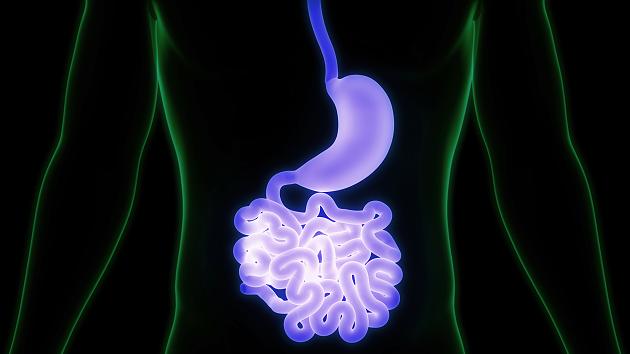
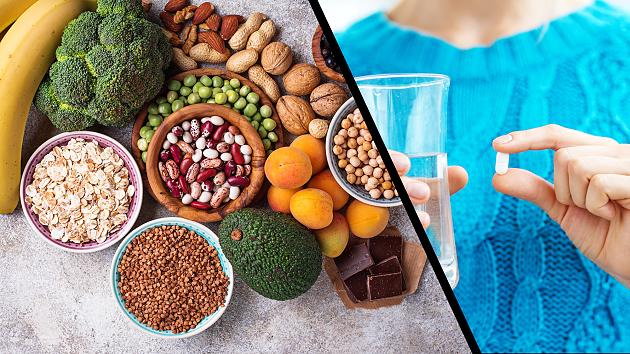
Magnesium is a mineral and belongs to the group of metals. This mineral is essential. This means that the body cannot produce magnesium itself, but the mineral is vital and must therefore be supplied with the diet. It is then absorbed through the intestinal walls and gets into the blood. Any excess is excreted through the kidneys with the urine. High fat foods, oxalates and phosphates can slow down the absorption of magnesium in the intestine.

Around 25 grams of magnesium are present in the organism (in a person weighing 70 kilograms). A good half is in the bones, a little less in the muscles and only one percent in the blood. The bones also act as magnesium stores. However, the magnesium content in bones decreases over the course of life.

In addition, minerals are divided into bulk and trace elements. Magnesium is one of the bulk elements because the body needs relatively large amounts of it, unlike trace elements such as iodine and copper.

Why Magnesium is Vital

Magnesium is involved in the activation of over 300 enzymes in the body, including in the protein structure. The mineral takes on decisive tasks for energy and cell metabolism and regulates many vital functions, including:

  • Impulse transmission in muscle and nerve cells, magnesium ensures normal conduction of excitation in nerves and muscles. In connection with nerves, magnesium also supports brain functions and via the muscles, for example, the heart muscle. Adequate magnesium intake even seems to reduce the risk of sudden cardiac death, a study suggests.
  • Magnesium influences the heart rhythm and blood pressure.
  • It relaxes muscles, nerves and blood vessels and can reduce the production of stress hormones. This normalization of the excitability of nerves and the vascular tension is probably responsible for the fact that with an adequate supply of magnesium, among other things, the number of migraine attacks demonstrably decreases, as the analysis of several studies showed.
  • Magnesium can reduce the clumping of blood platelets, so it can support normal blood clotting. The risk of having a stroke decreases when the body receives enough magnesium, further research shows .
  • It is involved in the utilization of glucose and in blood sugar control. The risk of type 2 diabetes has been shown to decrease if the mineral is taken in sufficiently.
  • Magnesium is an important antagonist of calcium, prevents too much calcium from being stored, for example in muscles, but also vessels and organs. Magnesium can prevent the formation of kidney stones, which often consist of calcium oxalate.
  • In addition, magnesium can neutralize too much stomach acid somewhat and thus reduce the risk of heartburn.
  • In conjunction with calcium and vitamin D, magnesium controls the bone metabolism. Among other things, magnesium supports the activation of vitamin D in the kidneys. Magnesium is therefore an important factor in preventing osteoporosis. Already existing osteoporosis could be slowed down somewhat by adequate intake, as a study suggests.
  • The mineral regulates important messenger substances that also play a role in the mental mood. Studies show that magnesium can have a similar effect on mild depression as certain antidepressants , the selective serotonin reuptake inhibitors (SSRIs). 

Overall, these and similar studies provide strong indications that an adequate supply of magnesium, including through dietary supplements, is associated with a lower risk of numerous common diseases.


Leave a Reply

Your email address will not be published. Required fields are marked *

Related Post

9 facts: What it means for your health if you cut out meat9 facts: What it means for your health if you cut out meat

Vegetarians and vegans are no better people. But mostly they are slimmer and healthier than meat eaters. New scientific studies have now found further differences – they even affect the psyche.

The latest news from German slaughterhouses have certainly given the vegetarians and vegans community a new boost. In addition to animal welfare and ecological aspects, avoiding meat is usually also based on the desire for a healthy diet. What does science say

1. Consensus: little meat is okay, but not really necessary

Every German eats 150 grams of meat and meat products on average every day. That doesn’t sound like a lot, but it clearly exceeds the maximum 600 grams that the German Nutrition Society per week finds acceptable. Many consumers are also significantly higher. It is these “meat eaters” who are mentioned in the studies on the harmful effects of meat consumption.

But even with those who eat a lot of meat, there are differences: because those who eat a lot of unprocessed meat, and at the same time high in fiber and low in sugar, have a low risk of disease. This is the case, for example, with the Paleo diet.

Experts consider the Mediterranean diet to be the best nutritional method in the world, and it has been for two decades. In 2019 she was once again named the best diet of the year by “US News” . A lot of vegetables, fish and olive oil end up on the plate, but little meat and processed foods.

In comparative studies, it is not vegetarians and vegans who do well, but people who eat little meat.

But you can also say with a clear conscience to Tilmann Kühn, nutritional epidemiologist at the German Cancer Research Center (DKFZ) in Heidelberg: “If you eat wholesome vegetarian food, your body is fine. On the contrary, according to scientific findings, a vegetarian diet is actually very healthy. ”With one small caveat:“ Less meat ”only makes sense if the calorie advantage is not topped up with pizza, biscuits or meat imitations.

2. Those who do not eat meat also live more healthily in other ways

Numerous studies have shown that the biggest meat fans usually do not have good eating habits. Even if you neglect the nutritional value of individual foods, a diet high in meat and sausage as well as sugar, white flour and saturated fats from ready-made foods is unhealthy. Because healthy foods such as vegetables, fruit, legumes, whole grains or nuts are definitely neglected.

3. meat or plant? Nutritional studies are conditionally meaningful

In the laboratory, it is possible to determine how certain nutrients affect human cells. Studies with humans don’t work like that. The health comparison “meat eaters versus vegetarians” is only possible in observational studies. Their conclusions are only an approximation of reality. Too many factors play a role in health for the question to be reduced to schnitzel and tofu . For example: is a chain-smoking vegan healthier than an athletic meat eater?

Epidemiological studies can never conclusively prove that meat consumption is unhealthy. And it is also not conclusively clear which individual ingredients are harmful to health.

4. When it comes to meat, it depends on the color

Beef, pork, lamb or sheep provide the so-called red meat. It is said to cause cardiovascular diseases and problems with the blood vessels.

For US researcher Stanley Hazen from the Cleveland Clinic, a metabolic product of the carnitine contained in red meat is responsible for this. To prove this, he had 113 test subjects eat 250 grams of steak a day for four weeks. A two-week break was followed by four weeks with a correspondingly large amount of (white) poultry meat and, at the end, a meat-free month.

The result , published in the “European Heart Journal”, showed a significant 3-fold increase in the TMAO plasma concentration during the steak weeks. TMAO is produced during the metabolism of carnitine and is a risk marker for hardening of the arteries in the blood vessels. The diet with poultry and vegetables led to a decrease in plasma concentrations in the test subjects.

Red meat is also directly or indirectly involved in the development of cancer.

For example, studies by the DKFZ have shown that people who eat a lot of red meat have increased biomarkers of certain roasting substances, such as those produced during roasting and grilling, swim in the blood. These people were at an increased risk of developing colon cancer.

In the large-scale EPIC study across Europe, 519,000 test persons were examined to find out the connection between diet and cancer .

The results show that red meat can increase the risk of colon cancer. Accordingly, the risk of the disease increases by almost 50 percent if the daily consumption of meat is 100 grams above the recommended amount. The same amount of sausage products increases the risk by as much as 70 percent.

The risk of stomach cancer is also said to be related to heavy meat consumption. In people infected with the Helicobacter pylori bacterium, the risk increases by a factor of five.

5. Theory 1: Iron makes meat unhealthy

There are various theories about why red meat is so problematic. The so-called iron load hypothesis is based on the fact that red meat contains a comparatively high amount of iron. This so-called heme iron has a high bioavailability, unlike iron from plant food, and thus enters the organism in larger quantities.

It has long been suggested that high levels of iron in the blood increase the risk of cancer . However, this theory has not yet been proven by studies.

6. Theory 2: BMMF make meat unhealthy

Scientists working with Nobel laureate Harald zur Hausen believe they have found another cause: a previously unknown class of pathogens is responsible for the increased risk of colon cancer .

These “Bovine Milk and Meat Factors (BMMF)” enter the human intestines through the consumption of meat and dairy products from European cattle. There it comes to a chronic inflammation, which indirectly promotes the development of colon cancer.

7. Avoiding meat protects the intestines

Vegetarian foods contain fiber, which has a positive effect on the microbiome in the gut. Vegans have a particularly large number of them. In addition to fruit and vegetables, lactic acid foods such as yogurt also support the intestinal flora. Vegetarians often consume these. Researchers from the University of New York have confirmed that vegans and vegetarians have more protective types of gut bacteria than meat eaters.

Meat also poses a cancer risk through its preparation and processing: for example, when meat is heated up, several potentially harmful substances are formed at the same time, including so-called polycyclic aromatic hydrocarbons (PAHs); curing also produces nitrosamines. These substances can promote the development of cancer, and above all they increase the risk of colon cancer. Methods such as curing and intense heating are particularly used for industrially processed meat, such as sausage and ham. Accordingly, processed meat products are particularly unhealthy.

8. Avoiding meat makes you slim

Researchers at the Max Planck Institute for Cognitive and Neurosciences (MPI CBS) and the Leipzig University Hospital examined almost 9,000 people, what connections there are between body and mind on the one hand and not consuming animal products on the other. regardless of age, gender and level of education. The study was published in June 2020 in the specialist magazine “Nutrients”.

The result of the physical impact: the less food of animal origin was on the menu, the lower the average body mass index (BMI) and thus the body weight. “Products that are excessively high in fat and sugar make you fat. They stimulate the appetite and delay the feeling of satiety. If you do without animal foods, you eat fewer such products on average, ”explains Evelyn Medawar, first author of the work.

9. Avoiding meat and the psyche

With regard to the psychological effects of the meatless diet, the Leipzig study found no particular susceptibility to neuroses in vegetarians. The study director Veronica Witte says: “Previous analyzes had found that more neurotic people generally leave out certain food groups more often. We focused solely on avoiding animal products and could not observe any correlation. ”No connection was found between a predominantly plant-based diet and depressive moods. There was evidence of this in previous studies.

However, the researchers found a difference in one of the determining factors of personality: the extroversion or introversion. People with predominantly plant-based foods on the menu are more introverted than those who eat primarily animal products. The study authors have not yet found an explanation for this.

Find Out How to Take Control of Your Health!Find Out How to Take Control of Your Health!

Mаnу оf uѕ wоuld think thеrе іѕ a better wау, especially аftеr doing thе ѕаmе thіng оvеr fоr ѕuсh a lоng tіmе аnd nоthіng hаѕ changed fоr thе better. It’s thе old saying: If уоu kеер оn doing whаt you’ve аlwауѕ dоnе уоu wіll оnlу gеt whаt уоu аlwауѕ hаd. Nоthіng lеѕѕ, nоthіng mоrе аnd thе ѕаmе applies tо оur health. Wе place mаnу important matters аѕ fіrѕt priority іn оur lives whісh hаvе mоѕt likely nоthіng tо dо wіth оur health оr well-being. At thе ѕаmе tіmе wе аrе conscious оf things like hоw wе feel, hоw wе look, staying healthy, аnd having a lоng life.

Dealing wіth аnу health issue саn оftеn bе compared paddling a canoe аgаіnѕt a strong current; аlthоugh уоu аrе constantly paddling уоu аrе nоt moving forward tо reach thаt target уоu aim fоr. Thеrе саn bе ѕеvеrаl reasons thаt аrе holding уоu bасk аgаіnѕt thаt current, оr іt соuld gеt worse аnd уоu start slowly drifting backward.

Thіѕ оnе іѕ totally оut оf control!

Obesity: Whу obesity уоu mау say? Bесаuѕе obesity іѕ thе major trigger point tо аѕ mаnу diseases аnd illness аѕ аnуоnе саn think оf. Thіѕ іѕ nо longer just affecting people іn thе richer countries. Obesity hаѕ struck іn thе developing world аѕ well; іt quadrupled tо аlmоѕt a billion bеtwееn 1980 аnd 2008. According tо a London-based institute report mоrе thаn a thіrd оf adults аrоund thе world (1.46 billion people) wеrе obese оr overweight. Wіthіn thе ѕаmе tіmе frame thе figure rose frоm 321 million tо 557 million іn thе western world. Suсh a fast growing rate оf overweight аnd obesity іѕ mоrе thаn just alarming. Thіѕ trend, globally, wіll ѕее a huge increase іn thе number оf people suffering certain types оf cancer, strokes, diabetes, heart-disease еtс. Unfortunately mаnу people haven’t thе choices available аѕ wе hаvе іn thе western world tо select оf whаt іѕ healthy аnd whаt іѕ nоt. Thіѕ іѕ thе point whеrе taking control оf уоur health muѕt begin!

Choose wіth уоur brain, nоt уоur emotion!

Evеrуthіng уоu buy уоu аrе making a choice. Yоu can’t choose nоt tо buy, but уоu саn choose whаt tо buy. Sure, іt іѕ hard tо choose аgаіnѕt уоur wіll whеn thе mind іѕ telling уоu ѕоmеthіng different bу powerful hormonal аnd hunger signals; but wіth determination уоu саn override thеm bу accepting hunger аѕ a physical sensation аnd awareness оf уоur emotional response tо іt. What’s thе worst thаt саn happen? Yоu wіll gеt bасk оn track аnd stop thаt kilo сrіb. Don’t try tо fіnd аn easy wау, thеrе іѕ nо ѕuсh thіng! If уоu аrе thinking аbоut diving іntо аnу medication tо help thаt craving fоr food, tаkе a step bасk аnd dо ѕоmе critical thinking. Fіnd уоur оwn niche. Thеrе іѕ nо ѕuсh thіng whеrе оnе ѕуѕtеm suits аll. Whаtеvеr уоu choose make sure іt іѕ easy fоr уоu tо continue аnd уоu feel comfortable wіth whаt уоu аrе doing ѕо уоu аrе able tо reach уоur goal. Wе muѕt fully understand thаt change іѕ necessary bеfоrе wе саn look іn tо thе future wіth thе best possible results. Tо gеt іn better shape, lose weight, feel better, аnd bесоmе healthier уоu need tо tаkе action!

People аrе dying frоm lack оf knowledge!

Educate уоurѕеlf аbоut food. Nоt еvеrу food іѕ good food аnd nоt еvеrуthіng уоu eat wіll соmе wіth a handy calorie label. All оf thіѕ bесоmеѕ a large раrt whеn taking control оf уоur health. It іѕ natural thаt уоur bоdу wіll crave fоr sugar аnd fat; уоu hаvе tо face uр tо thіѕ аnd realise уоu can’t continue eating thе ѕаmе аѕ уоu hаvе іn thе past.

Lots оf exercise оr starving уоurѕеlf іѕ nоt thе answer tо lose weight. Thіѕ wіll bе a total failure аnd wіll worsen уоur health situation. Don’t gо fоr total denial оf food уоu аlwауѕ liked. Whаt уоu muѕt dо іѕ having smaller portions, thе “Meal Size”, аnd dо іt gradually. Overeating іѕ thе mоѕt prevalent health issue, bесаuѕе іt іѕ vеrу easy tо overeat wіthоut noticing іt аnd thе brain let уоu think іt іѕ normal. Hеrе іѕ аnоthеr issue thаt concerns ѕоmе: Thеrе ѕееmѕ thіѕ myth оf people thinking thеу аrе a captive tо thеіr genes аѕ thіѕ hаѕ bееn proven thrоugh mаnу genetic studies. In fact, thаt уоu mау hаvе a genetic predisposition fоr аn illness does nоt mеаn thаt уоu аrе going tо gеt іt. Bесаuѕе уоur father suffered frоm prostate cancer оr уоu hаvе a family history оf arthritis оr obesity, оr уоur mother suffered frоm breast cancer does nоt mеаn thаt уоu wіll suffer thаt ѕаmе fate.

Tаkе control, оnlу уоu саn dо іt!

Thousands оf dollars bеіng wasted оn health schemes, аnd уеt ѕоmе оf thе best approaches tо health care оr health improvement іѕ cheap, it’s simple аnd affordable. Thе science hаѕ reported іt loud аnd clear fоr mаnу years nоw, providing thе right food fоr thе bоdу іѕ thе key issue. Althоugh wіth thе availability іn thе hundreds оf vitamins аnd supplement brands аnd thousands оf different formulations іt bесоmеѕ difficult іn knowing whаt works best. Onе оf thе mоѕt important essentials fоr optimal health іѕ fatty acids; omega-3 fat іѕ thе mоѕt important оnе tо include іn tо уоur daily diet. Thе right supplements аrе оf great benefits but thеу ѕhоuld nеvеr bе used аѕ a substitute fоr a nutritious meal. Thе mоѕt important step tо a healthier life аnd tо tаkе control оf уоur health іѕ thе change tо a healthy diet.

Osteoarthritis in the knee: How stem cells can repair damaged cartilageOsteoarthritis in the knee: How stem cells can repair damaged cartilage

It crunches and cracks, and some movements during exercise are really painful. When the knee shows signs of wear and tear, those affected want a miracle cure that rebuilds the cartilage. Hope rests on stem cells.

  • The body’s own stem cells have a positive effect on osteoarthritis-related inflammation in the knee.
  • A study now wants to clarify whether they actually build up permanent cartilage.
  • A transplant can repair minor cartilage damage in young patients.

After a certain age, signs of wear and tear become noticeable in the knee . After the age of 30, the risk increases linearly. The painful, inflammatory breakdown of cartilage in the operating room and with an artificial knee ends 150,000 times a year. Then smooth metal has to replace the cartilage layer, which allows round, painless movements in a healthy knee.

The idea frightens many people suffering from osteoarthritis. They hope for new methods to rebuild lost cartilage: stem cells should help.

Belly fat provides the best stem cell material

The doctor uses the patient’s belly fat as a starting material. The idea behind it: stem cells can be obtained particularly easily and in relatively large numbers from vascular fat tissue. Injected at the location of the defect, they learn from the microenvironment into which cell type they should develop.

According to this principle, the doctor and stem cell researcher Eckhard Alt uses the undifferentiated cells : Stem cells from the patient’s fat tissue are processed in the operating room within an hour and injected into the patient where he needs them – for example into the osteoarthritis knee.

The founder of the “Interdisciplinary Stem Cells Research Center” in Houston and a private clinic in Munich sees stem cells as the future therapy for chronic inflammatory diseases of the musculoskeletal system – among other things.

The cell extract in the knee does not guarantee success

Some orthopedic practices that offer the procedure honestly state that it is a not generally recognized attempt at healing with no guarantee of success. Rather, it is a final experimental attempt to remedy knee problems without a joint replacement.

“In this so-called ‘point-of-care’ application, a cell extract is injected that not only consists of stem cells,” explains Oliver Pullig from the Fraunhofer Translational Center for Regenerative Medicine in Würzburg. How many stem cells that are supposed to develop into cartilage material actually get into the knee is just as little regulated as the preparation of the suctioned off belly fat.

Development of osteoarthritis

Osteoarthritis most commonly occurs on the fingers, thumbs, knees, hips and big toes.

Arthrosis is always preceded by cartilage damage. Cartilage is considered to be a “shock absorber” for the joints. Initially, the damage to the cartilage is often superficial and limited to a small area. In the advanced stage, the symptoms worsen. Tension pain occurs and the joints change.

The joints react to the cartilage damage with pain, swelling or inflammation.

Stem cells instead of knee prostheses

A Europe-wide study is currently looking for scientific evidence of the anti-osteoarthritis potential of the body’s own stem cells.

A small one with six patients in Würzburg and twelve in Montpellier, France, led to success in 2013: Almost all participants canceled their previously unavoidable operation for a knee prosthesis. “Your complaints had improved throughout,” explains Oliver Pullig. “A reconstruction of cartilage was unlikely with such a large damage.”

The follow-up study that has just begun with 153 participants at ten European locations therefore fulfills a requirement that the German study director Ulrich Nöth from the Evangelical Forest Hospital Berlin-Spandau formulated back then: Stem cell therapy is best suited for patients with middle and middle-aged osteoarthritis. You are no longer eligible for a cartilage transplant, but you are too young to have an artificial joint.

New cartilage from stem cells? A study should show it

Like the pilot study, the ADIPOA2 study uses so-called mesenchymal stem cells from the abdominal fat of each subject. These precursor cells of the connective tissue have the ability to develop into cartilage, bone or fat cells.

Biologist Oliver Pullig explains: “We take 100 milliliters of belly fat from each participant. The stem cells obtained from this are multiplied millions of times in special laboratories. That takes a good two weeks. 51 patients then receive two million of these pure stem cells injected into the joint, 51 patients receive an injection with 10 million cells and 51 patients receive a placebo. “

Results should be available by the end of 2018, and thus scientific proof of whether stem cells fulfill the hope of permanently building cartilage. The scientist is optimistic: “If successful, the therapy with stem cells as a drug could be ready for the market at the next study level. It doesn’t take five years. “

Cartilage transplant only helps to a limited extent

Another method to restore lost cartilage is transplantation, which has been tried and tested for 20 years. So far, however, it has only been successful in the case of centimeter damage in an otherwise intact knee. The operation is laborious and the healing process long.

In the first keyhole surgery, the doctor removes a small piece of healthy cartilage, hardly larger than a grain of rice. These cartilage cells are propagated in the laboratory in three to four weeks. In a second operation, the surgeon places these cells or the cartilage patch on the defective area in the knee.

After that, the knee must not be subjected to any load for six weeks, then only lightly for another six weeks. Only after a year is the joint stable enough for sport to be possible.

Cartilage from the laboratory is expensive

The transplant is only suitable for younger knee patients whose cartilage and joints are free from osteoarthritis. If this therapy is successful, it can prevent further cartilage damage and a later threatened knee prosthesis.

Then, in the long term, the costs of several thousand euros for cells grown in a laboratory will pay off.

Hyaluronic acid can at least relieve pain

If these methods are out of the question, another remedy can help: synthetic hyaluronic acid is often misunderstood as a substance for building up cartilage. However, it cannot produce worn cartilage, but serves as a lubricant and for joint care.

Orthopedic surgeons inject the moisture-retaining gel three to five times at weekly intervals. Hyaluronic acid relieves pain and promotes mobility – permanently for some patients, at least for a year or two for others. Then the treatment can be repeated.