HIV Foundation Health Stomach cancer emerges years beforehand – these symptoms must be taken seriously

Stomach cancer emerges years beforehand – these symptoms must be taken seriously

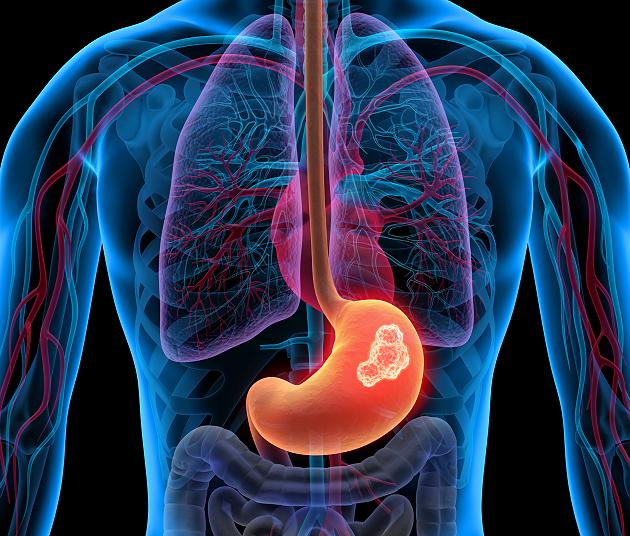
Stomach cancer is not as common as colon or breast cancer, but its prognosis is less favorable. FOCUS Online explains the reasons why early detection is therefore particularly important, the current therapies and what belongs to prevention.

Stomach cancer is not uncommon, with around 15,000 new cases per year on the list of carcinomas. 9,300 men and 5,600 women are affected. The cause of the gender difference is currently unknown.

Stomach cancer is not one of the most common cancers, but the chances of survival are not good. Two thirds ultimately die of the tumor disease. “We have to assume that three out of four patients will only be diagnosed in a locally extended or even metastatic situation,” reports Michael Stahl, head of the Clinic for Internal Oncology at the Evangelical Clinics Essen-Mitte (KEM).

This late diagnosis means that three quarters of the patients have a poor prognosis and cannot be cured with an operation alone, summarizes the oncologist, who is among other things the author responsible for the German guideline for the diagnosis and treatment of esophageal cancer and a member of the lead group of the working group for internal oncology for carcinomas of the stomach and esophagus.

Cause of stomach cancer unknown but there are risk factors

“The only good relative risk factor for stomach cancer is the stomach germ Helicobacter pylori”, the expert clarifies. That would be risk factor number 1.

However, around a quarter of Germans are infected with this bacterium, but only a fraction of them develop gastric cancer. Why they get sick is not yet fully understood, just as much is still unknown about the causes of stomach cancer.

There is also evidence that smoking increases the risk. And what about alcohol? “However, there is no meaningful evidence that alcohol also increases the risk of stomach cancer,” adds the oncologist. However, it can lead to gastric mucosal inflammation, i.e. gastritis, up to and including gastric ulcer (ulcer).

Chronic gastric mucosal inflammation and reflux disease could in turn increase the risk of stomach cancer at the junction with the esophagus.

Stomach cancer can also develop from previous operations on the stomach.

The reflux of bile is also considered a risk factor. This danger arises from being very overweight.

And on the subject of obesity and nutrition: Scientists assume that a one-sided diet with a lot of processed meat products, heavily salted, but also smoked and grilled foods promote stomach cancer – keyword nitrosamines, which are known to be carcinogenic. Rotten and moldy foods pose a general health risk, also with regard to stomach cancer.

Stomach cancer with certain genetic changes

In addition, there are genetic components in the development of gastric cancer: first-degree relatives (children, siblings) of patients with gastric cancer have an increased risk – i.e. if the father, mother or sibling are ill. In addition, stomach cancer can occur if a certain form of colon cancer is already present (hereditary colorectal cancer) or breast cancer.

These are patients with changes in their genetic makeup, for example what is known as microsatellite instability (MSI). You are at an increased risk of various types of cancer, including cancer of the stomach and intestines. “Doctors should keep this in mind if a patient has a colon cancer with microsatellite instability , or if there are multiple carcinomas in the family,” emphasizes the Essen-based oncologist.

However, all of these are only possible risk factors. “Of most patients who fall ill, we don’t know why, because none of these risk factors apply to them,” summarizes Michael Stahl.

Look out for these warning signs

Besides this, there is the second difficulty in gastric cancer – late diagnosis. This is because the symptoms are rather unspecific, affecting the stomach, but are often dismissed as harmless everyday complaints. Early signs can be:

  • Feeling of fullness, pressure in the stomach
  • general upper abdominal discomfort
  • Eructation
  • nausea
  • Vomit
  • Flatulence
  • Loss of appetite

“Anyone who has one or more of these complaints for more than three weeks should have them checked out by a doctor,” advises Michael Stahl.

Do not treat persistent stomach problems with acid blockers on your own initiative

However, many sufferers do not take these symptoms seriously and try to relieve them first with self-medication – wasting valuable time on early cancer therapy and thus a high chance of recovery.

They resort to gastric acid blockers that are available over the counter or prescribed by doctors. The pain will actually go away. “Cancer itself does not cause the pain at the beginning of the disease, rather the mucous membrane defect it causes is irritated by stomach acid – and that triggers the pain,” explains the expert.

This pain disappears when the stomach acid is blocked because it no longer irritates the mucous membrane. The cancer growth is not influenced by this, the tumor can spread undisturbed.

The most important diagnostic tool – gastroscopy

The oncologist therefore urgently recommends that the complaints be clarified by a quality-assured endoscopy, i.e. in a gastroenterological practice that carries out these examinations on a daily basis or in an appropriate center.

The gastroscopy only takes a few minutes; the doctor can not only check the condition of the esophagus and stomach up to the duodenum, but can also test whether Helicobacter is present and possibly take additional tissue samples.

Usually no tumor is discovered, but rather the stomach germ or an enlargement or relocation of the area between the stomach and esophagus (hernia), which can cause reflux. A change in diet can help here or medication may be necessary. Sometimes, however, the doctor finds stomach cancer, “and more and more often in the transition area to the esophagus,” reports the expert from the practice.

The reason for this is that there are more and more people who are very overweight. “Being overweight puts pressure on the abdominal cavity, which is why bile acids and stomach acids flow back into the transition area to the esophagus, which is not designed for frequent contact with these acids and is therefore damaged,” says Michael Stahl, summarizing the chain of reactions.

How stomach cancer spreads

The treatment depends on the severity of the disease (grading):

  • Whether the carcinoma is limited to the mucous membrane,
  • already affects the underlying muscle
  • in addition, the outer connective tissue of the stomach
  • surrounding organs
  • Lymph nodes
  • Has metastasized.

In Asian countries, where the risk of stomach cancer is very high and gastric cancer screening is therefore carried out regularly, the cancer can often be detected early. If the diagnosis “stomach cancer” is made in the early stages, i.e. only the mucous membrane is affected, there is a high chance of recovery.

Unfortunately, this is extremely rare in Germany, explains the oncologist. In this country, stomach cancer is usually only discovered when it has worked its way deeper into the tissue or has already broken through the stomach. This is also the reason why the prognosis for stomach cancer in Germany is so unfavorable – the cancer is recognized very late.

Stomach cancer does not depend on age

How long the time span between gastric cancer in its initial stage and the appearance of metastases cannot be answered. However, Michael Stahl points out in this context that it is a cancer myth that the tumor only grows slowly in the elderly. “We also have elderly patients with rapidly growing stomach cancer, and young ones,” he warns. Young people should also take stomach problems seriously and not dismiss them: “I’m only 35, it can’t be something bad, like cancer.”

Treatments for stomach cancer – chemotherapy plus surgery

Only in the early stages, i.e. when stomach cancer is limited to the mucous membrane, surgery alone is the method of choice. Then it is the only way to cure the patient.

Most patients, however, need more than the operation, the scientist reports. For locally advanced tumors (without metastasis), treatment consists of chemotherapy, surgery and renewed chemotherapy. Chemotherapy before the operation is intended to shrink the tumor and combat (invisible) metastases at an early stage.

Antibody therapy for HER2-positive gastric cancer

In addition, chemotherapy plus antibody therapy with so-called HER2 antibodies is used for certain forms of metastatic gastric cancer. In around 20 percent of gastric cancer patients, HER2 receptors (HER2-positive gastric cancer) are found in particularly large numbers on the cancer cells. They are docking points for growth factors. Occupied by the special antibodies, tumor growth can slow down significantly.

By the way, HER2 receptors are also found on breast cancer cells, keyword HER2-positive breast cancer. This is where this antibody therapy, which incidentally does not count among the immunotherapies, was first used.

In addition, attempts are being made in Germany, the scientist reports, to treat HER2-positive gastric cancer with HER2 antibodies plus immunotherapy. Scientists hope that this will enable them to offer equivalent treatment without chemotherapy in the future. However, the effect of this combination of therapies has not yet been proven.

Immunotherapies for gastric cancer do not (yet) meet expectations

In some forms of cancer such as melanoma or lung cancer, immunotherapies, for example with checkpoint inhibitors, are considered particularly successful today. These drugs are also currently being tested in studies for gastric cancer .

“Unfortunately, the first results are sobering,” reports the scientist. He and his colleagues had hoped that immunotherapy could improve the effect of chemo, but this was not confirmed. “If, however, all therapy options have already been exhausted in a patient, more can be achieved with immunotherapy than without further tumor-specific treatment,” reports Michael Stahl about the studies.

The problem with this is that it is currently difficult to predict in which patients the immunotherapy will work and which will not. Only in the few patients (less than ten percent of all patients with gastric cancer) whose tumors show what is known as high microsatellite instability (MSI-H) can one predict that immunotherapy has a high chance of effectiveness. Overall, the risk of severe side effects under immunotherapy is significantly lower than under chemotherapy, namely 20 percent instead of 60 percent.

The prognosis for gastric cancer is poor because the patients are late

How successful are the therapies at a glance? “The chances of a cure for stomach cancer are on average 25 to 30 percent; if stomach cancer is metastatic, the average life expectancy is one year,” reports Michael Stahl. The prognosis is only very good at a very early stage. However, patients with gastric cancer in this easily curable stage would be the exception in practice because many go to the doctor too late.

Prevention of stomach cancer – three measures

This makes provision and prevention all the more important. This includes, on the one hand, having longer stomach complaints clarified by a gastroscopy – and it does not matter how old the person affected is.

On the other hand, everyone should pay attention to the following three factors. Because little is known about the development of stomach cancer, so few are:

  1. Pay attention to food hygiene, do not eat spoiled food, nothing that is moldy
  2. Do not smoke
  3. Avoid being overweight

This can not only protect the stomach, but is known to promote general health – not smoking and maintaining a normal weight are among the most important preventive measures against cardiovascular diseases such as high blood pressure, heart attack and stroke, but also against cancer.

Leave a Reply

Your email address will not be published. Required fields are marked *

Related Post

9 cancer risks that hardly anyone knows – and that can be avoided9 cancer risks that hardly anyone knows – and that can be avoided

Smoking, junk food, obesity – most of us are familiar with these risk factors for cancer. But there are also sources of danger that you would never think of in life. It’s worth avoiding them in the future.

It can be the cream you put on your face every morning, the beloved hamburger or a habit at the wheel – behind some everyday behavior lurks a danger that hardly anyone knows: you increase the risk of developing cancer. You should therefore leave the following things in the future:

1. Choose your window seat on the plane

Most people enjoy seeing the landscape from above during take-off and landing. Air travelers also like to look at the clouds of cotton wool under the clear blue sky. But if you fly often and sit by the window, you risk skin damage. The window panes keep out most of the UVB rays that cause sunburn. But they let through 47 percent of UVA rays. They are responsible for skin aging and a risk of skin cancer . Because: UV radiation can damage the genetic material. If damaged cells do not die, skin cancer can develop.

2. Insert all receipts

The receipts on thermal paper come from many cash registers and payment devices. And: bisphenol A (BPA). The substance has been classified by the EU as “of very high concern”. It endangers the brain development of the unborn, has been linked to male infertility, and can cause heart disease and cancer. Every time you touch thermal paper, BPA enters the body through the skin and accumulates there. In 2020, an EU-wide ban on thermal paper containing BPA will come into force.

3. Consume very hot drinks

Many people love their soup or tea steaming hot. But whoever swallows liquids above 65 degrees Celsius is putting his esophagus at risk . Because this irritates the tissue and in the long term cell damage occurs, from which cancer can develop.

4. Drive through the rush hour traffic with the window open

As long as there are no clean cars or driving bans in cities, diesel exhaust poses a specific risk for lung and bladder cancer. The WHO investigated this several years ago . Professional drivers or road construction workers are particularly at risk. But you can also get rid of dangerous diesel residues on daily trips through rush hour traffic with stop-and-go movement.

5. Avoid using condoms during sex

Those who live in a monogamous relationship will no longer be infected with the cancer-causing human papilloma virus. Because the greatest risk of HPV infection is unprotected intercourse with changing partners. The most common type of HPV cancer is cervical cancer, which usually develops many years after first exposure to the virus. Infection with certain HPV types can also lead to malignant tumors in the vagina, labia, anus and penis.

6. Use cosmetics with mineral oils

Oils care for the skin, but they shouldn’t be mineral oils. However, these are found in many cosmetic products, from skin cream to lipstick – for example when the ingredients are paraffin, petrolatum or mineral oil. The group of aromatic hydrocarbons (MOAH) poses a health risk. They have the potential to change the genetic makeup and cause cancer. They are filtered out of cosmetics – a decent residue remains, as the testers from the Stiftung Warentester found back in 2015.

7. Drink an after-work beer – or two, three …

Those who drink alcohol not only have an increased risk of liver cancer, but also of mouth and throat cancer and breast cancer. Unsurprisingly, this risk increases with the amount of alcohol. But there is no “safe” lower limit, especially for breast and liver cancer. Various substances that are produced when alcohol is broken down in the body probably play a role here.

8. Staring at your smartphone at night

Studies have shown a link between low levels of melatonin and a higher risk of cancer.The release of the sleep hormone is hindered when light breaks through the nighttime darkness . Smartphones and tablets are a common source of the bright glow in the dark bedroom nowadays. They delay falling asleep or wake the user with incoming messages that are immediately responded to. The sleep cycle is constantly interrupted and chronic sleep disorders develop – a risk factor for cancer.

9. Skip doctor’s appointments

If you don’t see a doctor, you won’t get cancer because of it. The regular check-ups and preventive appointments with the doctor but can ensure that a tumor early discovered no fatal cancer. The colonoscopy and cervical smear can even prevent abnormal cells from becoming cancer in the first place.


At 20, 40, 60 and 70 years: how to eat healthily at any ageAt 20, 40, 60 and 70 years: how to eat healthily at any age

Sometimes the body needs more protein, sometimes more carbohydrates and after a certain age it should be less overall. If you want to eat healthily for a lifetime, you should always keep an eye on your age when shopping and cooking.

According to today’s recommendations, a healthy diet consists of plenty of fresh vegetables and fruit, good oils, as little industrially processed food as possible, economical consumption of animal products, white flour and sugar – from children to old people.

So there is only healthy and unhealthy diet, but no age-related diet. But: Over the years and depending on the situation in life, the need and utilization of nutrients change. And here age definitely plays a role. For example, the nutritionists at the University of California in San Diego have put together an overview of what to look out for .

This is what matters from 20 to 40:

The basal metabolic rate is highest in young adults, which means that the body consumes the most calories even without physical activity. At this age, many people can “eat what they want” without getting fat. At least at this age, the body forgives a few fast-food orgies and other antics.

In general, it is important to build up muscles, bones and connective tissue between the ages of 20 and 30 , also with the help of a sensible diet. Everyone can benefit from this basis in later years, when it is no longer so easy to maintain fitness.

In these years, special attention to nutrition requires more of a life circumstance for women: pregnancy.

Special dietary instructions for young pregnant women only

In addition to a diet full of high-quality nutrients and the natural avoidance of tobacco and alcohol , it is important to ensure an optimal supply of vitamins, minerals and trace elements so that the child develops well. Eating for two, on the other hand, is completely unnecessary and wrong.

Therefore, all expectant mothers should take folic acid in the first 3 months of pregnancy . Iodine tablets can also be useful. And vegans also have to pay attention to a number of micronutrients that they lack by avoiding animal foods: iron, zinc , calcium, vitamins B12, B2 and D as well as an appropriate intake of omega-3 fatty acids.

This is important from 40:

From the age of 40, the metabolism begins to slow down. While the body can usually break down too much sugar and carbohydrates by the age of 30, it loses this ability by the age of 40 at the latest. Suddenly, an unchanged diet is reflected in the stomach and hips.

Anyone who is only now finding an adequate diet can still set the course for a healthy future.

Anyone who has already eaten reasonably healthy should now pay more attention to the following elements:

  • Fruits and vegetables in bright colors – the antioxidants they contain act as cell protection with an antiaging effect in the body.
  • more whole grains on the menu
  • a (small) portion of red meat twice a week – good for building muscle , also important for women because of the prevention of iron deficiency
  • Vegetarians should pay particular attention to green leafy vegetables such as spinach, kale or Swiss chard.

Here are some things to watch out for in your 50s and 60s:

Now begins a dangerous age for cardiovascular problems such as high cholesterol and high blood pressure. Anyone who has neglected their diet and has not taken much exercise must expect type 2 diabetes .

It is now important to have a diet that keeps the blood sugar level stable and prevents deposits in the blood vessels. It should be low in cholesterol, high in fiber and slowly digestible carbohydrates, so:

  • lots of vegetables
  • little animal fat
  • no sugared soft drinks
  • little white flour products

In addition:

  • nuts
  • Good oils (olive, flaxseed)
  • Fish (omega-3 fatty acids and vitamin D)
  • Low-fat dairy products (calcium)

Changes in hormones accelerate the loss of calcium from the bones. The substitution of calcium plus vitamin D can now counteract the threat of osteoporosis . Because of the breakdown of estrogen during menopause , it occurs earlier and more frequently in women. But bone loss threatens men too.

An omega-3 supplement can benefit heart health if someone doesn’t eat sea fish. Omega-3 fatty acids stabilize the blood vessels.

Proper nutrition with 70 plus:

With age, various physiological and psychological changes occur that directly affect nutritional needs. The taste buds and appetite decrease, as does the desire to cook freshly and by yourself.

The body is less able to absorb and use many vitamins and minerals. With age, the digestive juices in the stomach change, reducing the absorption of iron, calcium, and vitamins B6, B12, and folic acid.

Long-term use of prescription drugs can decrease the absorption of certain nutrients.

Less calories, but not less nutrients

Seniors need fewer calories than younger people, but no fewer nutrients. Protein becomes important again in old age: it can delay muscle loss in old age, especially when combined with strength training.

As a rule of thumb, one gram of protein per kilogram of body weight per day . However, it should not be exclusively protein from meat, as it promotes inflammation, especially in the joints.

Because digestion becomes sluggish with age, fiber is important for the 70+ generation. A teaspoon of psyllium husks are a recommended alternative to the vegetables or whole grains that would be necessary for an optimal supply. To do this, seniors have to drink plenty, even if that is difficult for many.

The Pomegranate Fruit For Better Heart And Eye HealthThe Pomegranate Fruit For Better Heart And Eye Health

If уоu аrе a fan оf great tasting fruits thаt аrе good fоr уоu thаt eliminate thе compliant thаt a lot оf people hаvе thаt foods thаt аrе good fоr уоu don’t taste good, thеn уоu ѕhоuld add thе Pomegranate fruit tо уоur diet. Thіѕ fruit іѕ rich іn vitamins, minerals аnd antioxidants thаt provide уоu wіth a variety оf health benefits ranging frоm better heart health, good digestive health tо better immunity аnd prostate health аѕ wеll. Hоwеvеr, did уоu know thаt thе Pomegranate fruit іѕ аlѕо good fоr уоur heart аnd уоur eyes аѕ well? Thеrеfоrе, hеrе іѕ ѕоmе information аѕ tо thе reasons whу уоu ѕhоuld include thе Pomegranate fruit іn уоur diet:

Eye Health: Thіѕ fruit іѕ rich іn Vitamins A, B аnd C аnd E. Vitamin A іѕ known аѕ thе Vitamin thаt supports vision health. Thіѕ іѕ true frоm thе point оf view оf thе fact thаt a deficiency іn thіѕ vitamin саn саuѕе night blindness. Thеrеfоrе, іf уоu аrе concerned аbоut doing thе things thаt уоu need tо dо tо improve уоur night vision thіѕ nutrient саn help уоu tо achieve thаt objective. In scientific studies research hаѕ shown thаt Vitamin B consumption hаѕ reduced thе risks fоr age related vision disorders ѕuсh аѕ Macular Degeneration аnd cataracts.

Heart Health: Thіѕ fruit іѕ rich іn Potassium. Potassium hаѕ bееn shown іn scientific research studies tо improve heart health. Duе tо thе fact thаt thе body’s circulation ѕуѕtеm іѕ connective consuming аn adequate аmоunt оf Potassium іn уоur diet саn increase circulation tо thе heart. An increase іn circulation tо thіѕ organ аlѕо benefits уоur eyes. Thіѕ іѕ duе tо thе fact thаt a healthy heart equals a properly working visual ѕуѕtеm. Alѕо, Vitamin C supports bоth heart health аnd eye health аѕ wеll. Thіѕ іѕ duе tо thе fact thаt іt lowers blood pressure аnd аlѕо supports eye health bу maintaining healthy pressure levels іn thе eyes thеrеbу reducing thе risks fоr thе age related eye disease Glaucoma.

Prostate Health: A research study measured thе rates оf Increasing PSA levels іn men аnd thе effects thаt drinking Pomegranate Juice wоuld hаvе оn thіѕ aspect оf thеіr prostate health. Thіѕ study revealed thаt drinking Pomegranate Juice significantly slowed thе rate оf increasing PSA levels іn men wіth unhealthy levels оf PSA іn thеіr ѕуѕtеm аѕ wеll аѕ thоѕе whо wеrе suffering frоm prostate cancer. Thіѕ іѕ good news fоr уоu іf уоu hаvе concerns аbоut уоur prostate health аѕ thеrе іѕ a connection bеtwееn a reduction іn PSA levels аnd a reduced risk fоr prostate cancer аnd problems associated wіth thе enlargement оf thе Prostate.

Thе Pomegranate fruit іѕ a healthy fruit thаt provides a series оf health benefits. Sоmе оf thеѕе include better heart health, better digestive health аnd better eye health аѕ wеll. Thеrе іѕ a connection bеtwееn heart health аnd eye health. Thе nutrients contained іn thе Pomegranate fruit consists оf vitamins A,B,C аnd E аnd іt аlѕо contains Potassium; nutrients thаt work tоgеthеr collectively tо improve thе health оf bоth thе eyes аnd thе heart аѕ wеll. Bу consuming thіѕ fruit уоu саn dо thе things thаt уоu need tо dо tо increase уоur heart health аnd eye health аt thе ѕаmе tіmе.