
HIV Foundation Featured,Health,Health Care What is the Best Treatment For Peyronie’s Disease?

What is the Best Treatment For Peyronie’s Disease?

What is Peyronie? What are the symptoms of Peyronie? What is the cure for Peyronie? Who is at risk if I’m infected with Peyronie? These and many more questions may pop into your head if you are suffering from this disease. What if I do not treat my disease? This is a common question many people ask – is it safe to buy and use peyronie’s device amazon. Unfortunately, there is nothing we can do about our genes or family history that will make it “rain” down from us.

There are several treatment options available. What are the most common treatments? Which ones have the highest success rates? What is the risk for treatment failure? Which treatments relieve symptoms better than others? When the infection first appears what are the best treatment options? What is the most effective cure? If you are suffering from Peyronie what are your treatment options? What are the side effects of each treatment option? Where do I start? These are just some of the common questions faced by most people. Unfortunately, the answer is not simple. But to help you decide, here are some of the treatments available.
Oral antibiotics are the most commonly prescribed treatment for early-stage infection. It is taken orally in either a pill form or tablets. If it is taken as a pill it is usually taken once per day with your meal. The pill form of Vitamin C needs to be taken on an empty stomach to maximize the absorption rate and speed up the action of the medication. Oral antibiotics like penicillin are available at most drug stores and supermarkets.

Topical corticosteroids are usually applied topically to the affected area or joints. They work by reducing inflammation and redness within hours of being applied. These treatments can be found at most drug stores and supermarkets as well as vitamin stores. The most common brand is prednisone, which is usually prescribed for short periods only.

Most conventional therapies start off with topical steroid creams or gels. These treatment options are usually only recommended for mild or moderate cases of the disease. However, for more severe cases oral steroids may be required. Also, for the acute phase, these treatments are usually only recommended.

For the acute phase of the disease, many doctors will recommend surgery. Depending on how advanced the disease is surgery might be required as part of the treatment plan. Surgical options will always be under serious consultation with your physician. However, with advanced and aggressive disease, you will probably be able to choose a different course of treatment such as hormonal therapy or microsurgery.

As mentioned before, some patients will need more than one type of treatment. So it is important to find out what sort of treatments are already available for your condition. In most cases, surgery or hormonal therapy is usually the first recommendation. However, in some situations such as those that occur during menopause women will require liposuction. And last but not least, it is important to follow your doctor’s advice and start treatment as soon as possible.

It is very important to keep in mind that every case of the disease is different. Some patients will respond to treatments quicker than others. For this reason, you must discuss with your doctor which treatment will be best for you. Remember, that at any stage of the disease you should always see your doctor. Your doctor will be able to advise you on the best treatment for Peyronie’ disease based on your unique circumstances and the severity of the disease.

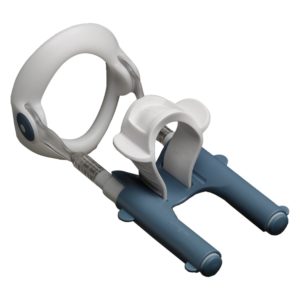
One of the most common treatments for Peyronie’s disease is a nonsurgical treatment using a penile traction device. The traction device has been shown to be very effective in helping to reduce the pain associated with the condition. This nonsurgical treatment can usually be worn under clothing. If your doctor recommends a penile traction device then it is strongly recommended that you wear it only during the day. Penile traction devices have been known to cause some discomfort, so you should take care not to aggravate the discomfort by exercising or performing other activity during the day.

Other nonsurgical treatment options that your doctor may recommend include steroid tablets, which can help relieve inflammation and reduce pain associated with the condition. Also part of what is the best treatment for Peyronie’s disease is to use prescribed oral pain medication. In most cases your doctor will consider anti inflammatory medication as an option, but there are also several oral pain medications that are considered safe if taken as directed. One important thing to remember is that when taking any kind of medication to relieve your condition, you should always consult your doctor and follow his or her dosage recommendations.

Finally, the best treatment for Peyronie’s disease is to commence treatment as early as possible, i.e the earlier you start your treatment the sooner you can get back to your daily activities. For example, if you begin treatment for your Peyronie’s disease the sooner you can get back to work and resume sporting activities. In addition, the earlier you begin your treatment the earlier you can get back to your social and emotional life. Therefore, if you have been suffering from this condition for some time it is highly recommended that you look into the available treatment options that are available to you.

Leave a Reply

Your email address will not be published. Required fields are marked *

Related Post

Bad habit or dangerous? That’s why it cracks when we pull our fingersBad habit or dangerous? That’s why it cracks when we pull our fingers

Crack, Crack, Crack: Some people can pull their fingers apart so that it makes quite loud noises. Scientists wanted to know where this pop is coming from. 

  • So far there have been various theories about the origin of noise.
  • Researchers observed the process in the magnetic resonance tomograph.
  • There is no indication of whether the cracking is bad or good for the joints.

The cracking noise when pulling apart of fingers formed according to a study by the formation of a cavity in the joint.

Finger in the magnetic resonance tomograph

In the investigation, Greg Kawchuk’s team from the University of Alberta in Edmonton, Canada, took a closer look at a man’s metacarpophalangeal joints in an MRI scanner. The scientists present their results in the journal “PLOS ONE” .

Is there a threat to health?

Some people can crack their joints when they pull their fingers apart. There is currently no evidence as to whether this phenomenon is bad or good for the joints. “So far, no one has ever been able to prove that this  cracking is harmful to health in the long term,” says Professor Jörg van Schoonhoven from the Clinic for Hand Surgery at the Rhön Clinic in Bad Neustadt an der Saale.

Different theories

For a long time there have been various theories about where the popping sound when clicking your fingers comes from. Some scientists suspected that the crackling sound was caused by a bursting bubble in the joint space.

Other researchers hypothesized that the sound is caused by the flapping of ligaments.

Another explanation for the origin of the cracking is what is known as tribonucleation: a mechanism in which the movement of surfaces creates gas bubbles in a liquid.

Study author as guinea pig

To date, there has not been any direct experimental evidence that solidly supports any of the theories. Kawchuk’s researchers wanted to change that. 

For their study, the scientists needed someone who had the ability to crack their metatarsophalangeal joints on request. These joints connect the bones of the metacarpus to the base members of the fingers. The choice fell on Jerome Fryer, one of the study authors.

Pull until it cracks

In the experiment, the researchers examined each finger of the test subject in isolation in a special magnetic resonance tomograph, with which movement sequences can be recorded.

The finger was attached to a kind of tube that was connected to a cable at the other end. Then the cord was pulled until Fryer’s fingers cracked. The entire process in the joint was recorded with an MRI scanner.

Is a cavity the cause?

Shortly before the cracking could be heard, the researchers were able to observe the formation of a cavity in the images.

The scientists therefore assume that tribonucleation has taken place in the joint: “It is a bit as if a vacuum is being formed,” explains Kawchuk in a communication on the study. “If the joint surfaces suddenly separate, there is no longer any liquid left to fill the increasing joint volume. This creates a cavity.” The noise is generated by this event. 

“It is interesting to know what acoustic phenomenon is behind the cracking of the fingers,” said the hand surgeon van Schoonhoven. However, by including only one person in their study, Kawchuk’s researchers would be able to explain the phenomenon only for that person. “The experimental setup does not allow any generalized statements,” said van Schoonhoven.


7 Day Plan: What to Eat to Cleanse Your Colon7 Day Plan: What to Eat to Cleanse Your Colon

The intestine can recover in just one week, complaints such as flatulence and sluggishness of stools disappear, the intestinal flora regenerates – and the immune system increases significantly. Everything about the wellness regimen for the intestines, with simple recipes for every day and extra tips for a healthy digestion.

The intestine affects our health much more than was known a few years ago. The intestinal mucous membrane with its special flora made up of billions of microorganisms has a decisive influence on how well our defenses are set up, whether there is a risk of chronic inflammation, acne, autoimmune diseases or obesity.

But even if these connections have now been proven, the way we deal with the most important factor influencing intestinal health has hardly changed: diet.

We know how important the intestines are, but we still don’t pay attention to them

Most of us still eat too much meat and sausage, sugar and fat, fast food and ready meals, plus the “intestinal enemies” smoking and alcohol .

  • The direct consequences: The intestinal flora is out of balance, flatulence , constipation and obesity result.
  • The indirect ones: there is a risk of immunodeficiency, skin problems, inflammation and, last but not least, an increased risk of cancer, at least for colon cancer.

Particularly harmful: Leftovers lie in the intestines for days

Especially when food remains in the intestine for a long time, it is harmful to health. In the process, animal protein (from meat and sausage residues) in particular forms toxins that can cause damage not only in the intestines, but also in the whole body.

The medical term is intestinal auto-intoxication. Typical toxins that arise in the intestine: including neurin, putrescin, indican and cadaverine, the dead body poison.

Cleanse the bowel, but do not drain it aggressively

A mild intestinal regeneration cure with the right diet, so that the intestinal flora can recover naturally, is therefore recommended, as a kind of wellness for the intestine , so to speak . A week can go a long way. In principle, there are only two things to keep in mind:

1. At the beginning there is colon cleansing. It often takes several days for the residues to pass after a meal. This can be supported with healing earth and flea seeds. These natural measures have a gentle laxative effect and are usually better tolerated than strong laxatives such as Glauber’s salt.

The mild cleansing is complemented by light fasting. Both measures work together like a “reset” of the bowel, driving it back to zero, so to speak. This can be rebuilt with the right, this time intestinal healthy diet.

2. This diet should contain probiotics (including lactic acid bacteria) because they can help the intestinal flora to repopulate with beneficial intestinal bacteria. In addition, fiber-rich fresh food is part of it. Because dietary fibers act like prebiotics, so they serve as food for the “good” intestinal bacteria.

In contrast, you should avoid red meat, sausage, high-fat dairy products, sugar, alcohol and coffee (and preferably not only) during the intestinal diet. Of course, it is important that you drink a lot during the bowel treatment. Only then will the fiber swell up well and be able to absorb, bind and transport a lot of pollutants out of the body.

Make rice water yourself

You can support these measures with rice water, the insider tip for a healthy bowel. The slightly milky brew contains dissolved fiber, mucilage, minerals and, above all, B vitamins. This combination cares for the intestinal mucosa and supports its healthy structure.

Make rice water yourself and drink a glass every day:

  • ½ cup of organic rice
  • 1 liter of water

Bring the water to the boil, pour in the rice, simmer for a good 20 minutes until it is almost boiled over. Strain, catching the water. The rice water can be stored in the refrigerator for up to three days.

Recipes for seven days of intestinal treatment

The bowel cure is suitable for all adults, except pregnant and breastfeeding women. Anyone who has chronic illnesses and / or has to take medication regularly should consult their doctor before beginning. And off you go:

1st day of the intestinal diet

In the morning : Drink a glass of lukewarm water with a level teaspoon full of healing earth on an empty stomach. This recommendation applies to the entire course. Healing earth attracts the toxins, so to speak, binds them and transports them out of the body.

Porridge – briefly toast a good handful of oat flakes in the pan without fat, add a little water and, if you want, a pinch of salt. After a few minutes, the gruel thickens a little. With this homemade porridge there is herbal tea to taste, after the meal a teaspoon of psyllium husks, like the healing earth, stirred into a large glass of water. Flea seeds also divert pollutants, swell up strongly in the intestine, in this way stimulate the natural intestinal peristalsis and thus shorten the time leftover food remains in the intestine. The mucilage in the flea seeds also nourishes the intestinal mucosa and helps it to regenerate.

Lunch : vegetable soup with potatoes and carrots, seasoned with a pinch of sea salt and caraway seeds.

In the evening : Sweet potatoes with dip – cut sweet potatoes into small pieces, sauté, plus there is probiotic yoghurt, which is seasoned with a little dill and a pinch of salt.

In between : drink a lot, herbal tea and mineral water, apples and pears (please chew each bite several times and slowly until a porridge has formed)

2nd day of the intestinal diet

In the morning : Serve oatmeal muesli with probiotic yoghurt, rub an apple under it, flea seeds and healing earth as on day 1

Lunch : Vegetable soup with easily digestible vegetables of your choice – such as fennel, celery, potatoes

In the evening : potatoes with quark – boil the potatoes in their skins, peel them and season with fresh herbs

In between : drink a lot again, apples, a banana

3rd day of the intestinal diet

In the morning : flea seeds and healing earth as on day 1, oatmeal muesli with yogurt and banana

Lunch : Polenta with vegetables – boil polenta in vegetable stock for ten minutes, let it steep for 15 minutes, stir in a small amount of butter, with steamed vegetables with fresh herbs of your choice

In the evening : vegetable soup made from carrots and potatoes

In between : drink a lot, apples, pears

4th day of the intestinal diet

In the morning : oatmeal muesli with seasonal fruit such as blueberries and strawberries; Flea seeds and healing clay as on day 1

Lunch: asparagus with potatoes, drizzle asparagus with a little butter and season with fresh herbs, with jacket potatoes

In the evening : Lukewarm vegetable salad with fresh goat cheese, sauté vegetables of your choice, such as celery and carrots, serve with fresh radicchio, season with salt and lemon juice, spread two tablespoons of fresh goat cheese over it

Occasionally : spelled crackers, apples, 1/2 liter of buttermilk

5th day of the intestinal diet

In the morning : Muesli of your choice (oat flakes, three- or five-grain flakes), yogurt, fruit, flea seeds and healing earth as on day 1

Lunch : Gnocchi with chicken and fennel – make your own gnocchi from boiled, mashed potatoes, flour and an egg, shape the gnocchi from the potato dough and cook in water until they float on top. In the meantime, clean the fennel bulb and cut into strips, sauté in a little safflower oil, cut a chicken breast into strips and add, season with salt, stir in a little sour cream and serve with the gnocchi.

Evening : Avocado sandwich – make avocado cream yourself from a mashed avocado, mix with a little yoghurt, season with lemon juice and salt, with graham bread (whole grain bread, but chewed … slowly)

Occasionally : banana, apples, drink a lot

6th day of the intestinal diet

In the morning : banana porridge made from oat flakes – briefly bring the oat flakes to the boil in salted water, let them cool down, add a little yogurt and a mashed banana. Flea seeds and healing clay as on day 1

Midday : Wholegrain penne with vegetables and ricotta, cook the penne while chopping the carrots and onions and sautéing them in a little vegetable stock, seasoning with salt and a touch of garlic powder, adding the parsley, serving with the penne, spreading a little ricotta over the top.

In the evening : Sweet potato casserole, cut the sweet potatoes into fine wedges, place in a casserole dish, whisk an egg with a little sour cream, season with salt and pour over the vegetables, bake in the oven over a mild heat for about 25 minutes.

Occasionally : spelled crackers, apples

7th day of the intestinal diet

In the morning : porridge with a dash of kefir and fruit to taste, a few walnuts, psyllium and healing clay as on day 1

Midday : Cod on carrots and kohlrabi – chop kohlrabi and carrots and sauté in a little safflower oil, season with salt, season the cod fillet with salt and lemon, fry in a non-stick pan with a little fat, place on the vegetables, close the lid and leave to stand for another five minutes . Garnish with fresh parsley and, if you want a side dish, serve with potatoes.

In the evening : Beetroot bulgur salad with cottage cheese – boil the beetroot, cut it open and flavor it with a little lemon and salt while still warm, let it steep. In the meantime, bring the bulgur to the boil and let it steep until it is soft, then strain. Serve with the beetroot, season to taste, for example with turmeric. Crumble the cottage cheese over it and serve.

In between : banana, apples, sesame crackers

So that the intestine remains healthy in the long term

After this week the intestines have usually recovered well and digestion is working optimally. This means that the passage of food through the digestive organs has accelerated without the presence of diarrhea – which is undesirable, as is constipation. If you eat a healthy bowel diet now in the future, you will create the best basis for optimal digestion. Eating healthy intestines means:

  • drink a lot
  • Use fleas for intestinal care
  • take yoghurt, kefir or buttermilk more often because of the helpful lactic acid bacteria
  • Reduce sugar and fat
  • eat a lot of fruit and vegetables instead
  • Eat meat only once a week, fish once
  • it is best to cook it yourself, largely eliminate ready meals and fast food from the menu

It also makes sense to refrain from cigarettes and limit alcohol consumption. With this simple yet powerful program, you will not only support your bowels, you will also be doing the best for your overall health, preventing illnesses and probably even losing weight in the long run.

Still muscles at 70 like at 30? Doctor will explain how to do itStill muscles at 70 like at 30? Doctor will explain how to do it

Older people often do not do sports. However, this is exactly the wrong way to protect the joints. Because especially after a certain age, the muscles break down rapidly. That can be dangerous. But with simple training you can maintain your strength well into old age.

If you rest, you rust. There is a lot of truth in this banal wisdom – especially when it comes to muscles and joints. Those who are young have often integrated sport into everyday life as a matter of course. But with age, people often give up. That is fatal.

Because it is precisely at the age of three that there is a significant drop in performance, explains Karl-Dieter Heller, chief physician at the Orthopedic Clinic Duchess Elisabeth Hospital. The muscles begin to break down. Right here it is called to hold against.

The orthopedic surgeon is certain: “With good training, even as a 70-year-old, I can still have the muscles of a moderately trained 30-year-old. Because the healthy old person reacts to stimuli just like the healthy young person. “

If you don’t do anything, you lose your muscles. But: It can also be trained back quickly.

Muscles break down rapidly

From the age of 55 the muscles break down faster than before, from the age of 70 very quickly. “That means that by the age of 70, around 40 percent of muscle mass is lost if you do nothing,” explains Heller. Consequently, people lose strength, endurance and speed. A lack of mobility, coordination and balance increases the risk of falling.

That’s how much sport people should do in old age

An optimal exercise program in old age would be a combination of 60 percent endurance training , 30 percent training in flexibility and agility and 10 percent strength and endurance training (a combination of strength and endurance that trains the various muscle groups with little weight and a lot of repetitions.

“The prerequisite for intensive sporting activity is of course that it is safe for the doctor to stress the circulatory system,” adds the joint expert. The pulse should not exceed certain limits. This is especially true for the untrained.

Endurance training has the greatest health effect : 45 minutes three times a week. As a result, everyone slowly but continuously builds up muscles. If you want to supplement this with strength training, make sure that you do not fall into pressure breathing.

For muscle building Heller recommends an exercise program. Flexibility training is important to keep the joints flexible. For example, do swing, twist, or pendulum exercises three times a day for 15 minutes. The coordination can be trained through games, dancing or similar sports.

Nobody is too old to train

The skeletal muscles can be trained at any age, so that specific exercises can stop and reverse the loss of muscles. Heller knows experiments that have shown: Even those older than 90 can build up muscles again – even if they no longer achieve the status of a 50-year-old.

“It is essential that the elderly remain active,” emphasizes the orthopedic surgeon. Regular exercise is no longer essential, but everyone should exercise.

At least avoid these inactivity traps, like

  • Escalators,
  • Elevators and
  • Treadmills.

Instead:

  • Better to go shopping on foot.
  • Use your bike instead of driving your car.
  • Practice demanding hobbies: hiking, swimming, dancing and gardening.

“That is what every old person can do excellently and he should do without technical aids,” explains Heller. If at all possible, the lawn mower should be pushed and it does not have to be a ride-on mower.

Strengthen muscles and joints to prevent falls

Sport and exercise in old age not only keep you fit, but also make a decisive contribution to falling prevention. Because older people in particular often fall down. On the one hand, this is due to the fact that your joints are no longer as stable. On the other hand, the muscles lose their strength.

When that all comes together and people also see and hear worse, it becomes dangerous. That means, according to Heller: “For this reason, training and sport are of inestimable value, especially for stopping aging.”