HIV Foundation Business Benefits of Plaster and Insights by Popular Plasterers

Benefits of Plaster and Insights by Popular Plasterers

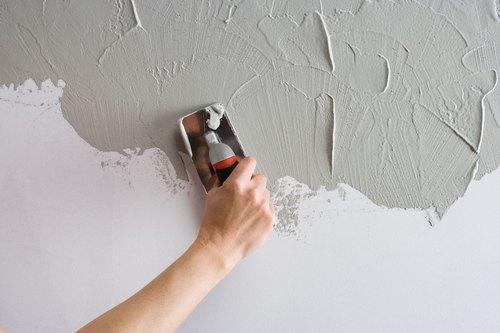
The benefits of Plaster are numerous, but perhaps you’ve never considered it. This durable and aesthetically appealing material can be an heirloom for your family. Read on to discover why. Plastering is not only beautiful and durable, but it’s also easy to install. And, it won’t cost you an arm and a leg, either. Insights by popular plasterers offer helpful tips to get the job done right.
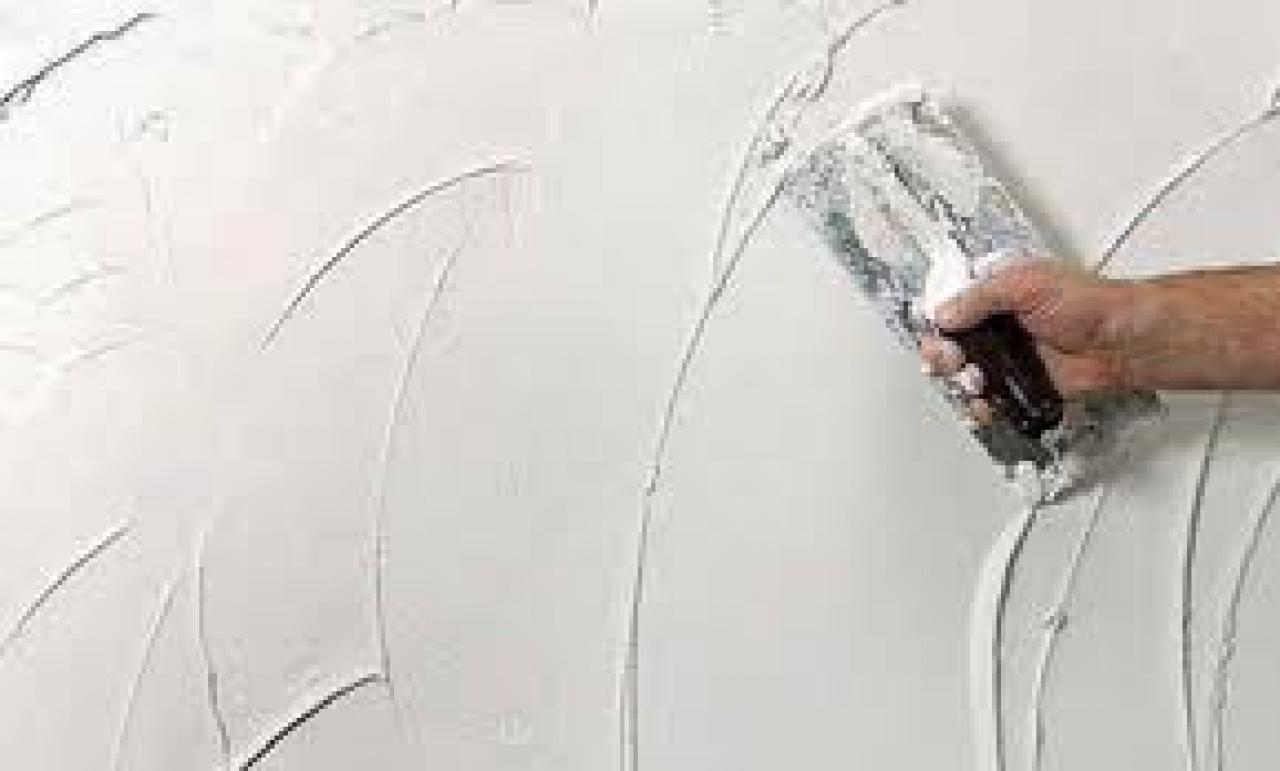
The Benefits of Using Gypsum Plaster Over Sand Cement Plaster | FreshHomez

Plastering is a family heirloom

The trade of plastering is a tradition passed down for generations. The Englishman was pleased to discover that plasterers in Italy aged lime. In fact, many Italian plasterers considered plastering as much more than a job, and passed down their techniques and recipes from father to son. The family heirlooms of plastering in Italy made it an even more rewarding profession. But there are some disadvantages of becoming a plasterer.

It is easy to install

Plaster is the wall covering of choice until the invention of easy-to-install commercial drywall. It is not only easier to install, but also much more durable and beautiful. Unlike drywall, plaster is also fire-resistant and can be effective at blocking noise. However, it requires a different type of primer than drywall, so the installation process can take several days. Plaster can be found in the Pyramids, so it’s worth considering the difference in the process.

It is durable

Compared to other building materials, plaster is durable and easy to maintain. It covers large areas and is suitable for fine detail. Its durability makes it ideal for home decoration and protection from environmental factors. Plaster also has many benefits, such as being environmentally friendly, hypoallergenic, and low maintenance. It has been used for thousands of years and is beautiful in every way. Read on to learn more about its benefits and how it is used in construction.

It is beautiful

Natural plasters are a popular choice for home decor. They feel like stone, and can be either polished marble or rough hewn sandstone. They can create a serene canvas or a dynamic work of art. Natural plasters often include inclusions, such as flecks of sand, which add minute details and tonal differences. Incorporated flakes of plaster can also add texture and depth to a wall.

It is easy to repair

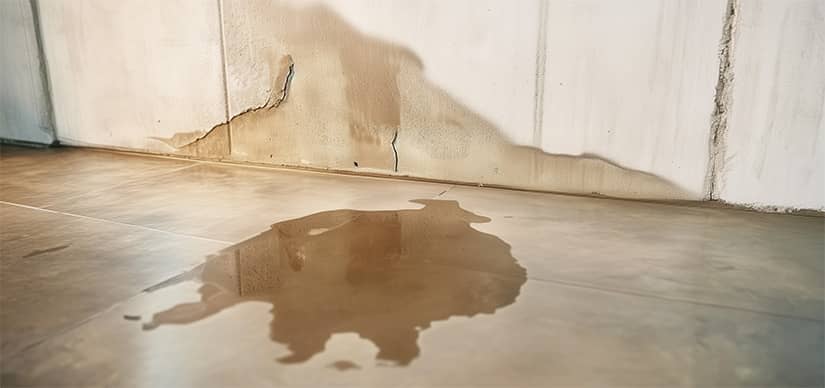
Most plaster in a home can be easily repaired if there’s an issue with it. The normal stresses of living in a home can damage the plaster’s surface, such as holes or scratches from furniture and spilled liquids. While most problems with plaster are simple to fix, some are more serious and require the expertise of a plasterer. Cracks leading through walls or doors, or along ceiling seams, may be signs of more serious damage. Before you start repairing any cracks, call a contractor to evaluate the structural integrity of your home.
Leave a Reply

Your email address will not be published. Required fields are marked *

Related Post

Hydroponic Sustainable Practices: Nurturing Healthy Plants and a Healthy Planet

Hydroponic Sustainable Practices: Nurturing Healthy Plants and a Healthy PlanetHydroponic Sustainable Practices: Nurturing Healthy Plants and a Healthy Planet

Hydroponic farming offers an efficient and innovative way to cultivate crops, but like any agricultural system, it can have environmental impacts. To ensure the long-term sustainability of hydroponics, it’s crucial to adopt sustainable practices that minimize resource use, reduce waste, and promote environmental responsibility. In this guide, we’ll explore key sustainable practices for hydroponic farming. For more information regarding hydroponic plant one can visit our site https://hydroponicglobal.com.au/.

1. Efficient Resource Use:

Water Efficiency:

– Utilize recirculating systems that capture and reuse water to minimize water consumption.
– Implement water-saving techniques such as automated drip irrigation and precise nutrient delivery to minimize runoff.

Energy Efficiency:

– Use energy-efficient lighting, such as LED grow lights, to reduce electricity consumption.
– Implement timers and sensors to optimize lighting and climate control.

2. Sustainable Nutrient Management:

– Develop precise nutrient management plans to avoid overuse and nutrient imbalances.
– Use organic and environmentally friendly nutrient solutions when possible.
– Implement nutrient recycling systems to capture and reuse excess nutrients.

3. Pest and Disease Management:

– Embrace integrated pest management (IPM) practices that minimize the use of pesticides and focus on prevention and biological controls.
– Regularly inspect plants for signs of pests or disease and take immediate action when needed.

4. Renewable Energy Sources:

– Consider using renewable energy sources, such as solar panels or wind turbines, to power hydroponic systems and reduce reliance on fossil fuels.

5. Sustainable Growing Media:

– Choose growing media that are renewable and environmentally friendly, such as coconut coir or peat alternatives.
– Implement a system for recycling and reusing growing media whenever possible.

6. Biodiversity Promotion:

– Create habitats for beneficial insects and pollinators to help control pests and promote biodiversity.
– Consider planting companion plants that deter pests or attract beneficial insects.

7. Waste Reduction:

– Minimize plastic waste by reusing or recycling containers and materials.
– Implement composting systems for organic waste generated in the hydroponic operation.

8. Monitoring and Data Analysis:

– Use technology and data analysis to monitor and optimize resource use, nutrient levels, and environmental conditions.

9. Sustainable Packaging:

– Choose sustainable packaging materials, such as biodegradable or recyclable options, when packaging hydroponic produce for sale.

10. Education and Outreach:

– Educate staff and the community about sustainable hydroponic practices to build awareness and support for environmentally responsible farming.

11. Soil Health Conservation:

– While hydroponics doesn’t use soil, it’s important to advocate for soil health and conservation in broader agricultural contexts to support overall sustainability.

12. Certification Programs:

– Consider seeking certification from relevant organizations or agencies that recognize sustainable farming practices in hydroponics.

13. Continuous Improvement:

– Continuously assess your hydroponic operation for opportunities to improve sustainability. Stay informed about new technologies and best practices in the field.

Conclusion:

Sustainable practices in hydroponic farming are essential to minimize environmental impacts, conserve resources, and ensure the long-term viability of this innovative agricultural method. By adopting these sustainable practices, hydroponic growers can play a crucial role in providing fresh, healthy food while contributing to a more sustainable and environmentally responsible future.


Simple Tooth Removal: Easy Procedure With Minimal DiscomfortSimple Tooth Removal: Easy Procedure With Minimal Discomfort

Tooth removal, also known as dental extraction, is a common procedure performed by dentists to remove a tooth from its socket in the jawbone. There are various reasons why a tooth may need to be extracted, including severe decay, infection, crowding, or trauma.

While tooth removal may sound daunting, it is a routine procedure that is typically quick and relatively painless. In this article, we will discuss the different types of tooth removal procedures, when a tooth may need to be extracted, and what to expect before, during, and after the procedure.

What To Eat After A Tooth Extraction | Century Stone Dental

Types of Tooth Removal Procedures

There are two main types of tooth removal procedures: simple extraction and surgical extraction. Simple extraction is performed on teeth that are visible in the mouth and can typically be done using local anesthesia. On the other hand, surgical extraction is a more complex procedure that is necessary for teeth that are impacted or broken below the gum line. This type of extraction may require general anesthesia or sedation to ensure the patient’s comfort during the procedure.

When a Tooth May Need to be Extracted

There are several reasons why a tooth may need to be extracted. Severe decay or infection that cannot be treated with a root canal may necessitate extraction to prevent further spread of bacteria. Crowded teeth may also need to be removed to make space for orthodontic treatment. Additionally, teeth that are damaged due to trauma or injury may need to be extracted to prevent pain or infection. If you are experiencing any of these issues, it is essential to consult with a dentist to determine if tooth removal is the best course of action. Learn more about Tooth Removal in Lutz Florida.

After a tooth removal procedure, it is normal to experience some discomfort and swelling. Dentists typically recommend taking pain medication and applying ice to the affected area to help manage these symptoms. It is also important to follow post-operative care instructions provided by your dentist, such as avoiding hard or crunchy foods and practicing good oral hygiene to prevent infection. In most cases, the recovery process is quick, and patients can resume their normal activities within a few days. If you have any concerns or questions about tooth removal, do not hesitate to reach out to your dentist for guidance and support. Remember, tooth removal is a common procedure that aims to improve your oral health and overall well-being.

Ultimate Pest Control GuideUltimate Pest Control Guide

When it comes to maintaining a healthy and pest-free environment in your home or workplace, pest control is essential. Pests can not only be a nuisance but also pose health risks and cause damage to property. Therefore, it is important to have a well-executed pest control plan in place to prevent infestations and keep your space safe and clean.

From cockroaches and ants to rodents and termites, there are a variety of pests that can invade your space. Hiring professional pest control services can help you identify and address any pest issues effectively. In this article, we will discuss the importance of pest control, common pests to watch out for, and tips for preventing infestations in your home or workplace.

Why Pest Control is Important

Pest control is crucial for a variety of reasons. Not only can pests carry diseases and contaminate food, but they can also cause structural damage to buildings. Termites, for example, are notorious for chewing through wood, causing thousands of dollars in damage. By implementing a pest control plan, you can protect your property, health, and overall well-being. Hiring professional pest management NSW services ensures that any infestations are promptly identified and effectively dealt with.

Common Pests and Prevention Tips

There are several common pests to watch out for in both residential and commercial spaces. Cockroaches, ants, rodents, and bed bugs are just a few examples of pests that can quickly multiply if left unchecked. To prevent infestations, it is important to keep your space clean and free of food debris. Sealing cracks and crevices, storing food properly, and decluttering can also help reduce the likelihood of pest problems. Regular inspections by professional pest management NSW experts can further ensure that your space remains pest-free.

By being proactive about pest control, you can safeguard your property and health from the damages and risks associated with pest infestations. Implementing preventive measures, such as maintaining cleanliness and promptly addressing any signs of pests, can go a long way in keeping your space free of unwanted visitors. Remember that professional pest control services are always available to assist in identifying and eliminating any pest issues effectively and efficiently. By establishing a solid pest control plan, you can create a safe, healthy, and pest-free environment for yourself and those around you. Stay vigilant, and take action to keep pests at bay.