HIV Foundation Health “Cancer cells are fed” – underestimated health risks lurk in meat and sausage

“Cancer cells are fed” – underestimated health risks lurk in meat and sausage

Iron deficiency is often discussed. There is hardly any talk about the opposite, the frequent overloading with heme iron, the iron form made from red meat and sausage. It promotes the common diseases of diabetes, cancer and arteriosclerosis. FOCUS Online shows how you can meet your iron needs in a healthy way.

The trace element iron is indispensable for a number of vital metabolic functions in the body. As a component of hemoglobin in the red blood cells, it supplies every body cell with oxygen. Iron deficiency, which manifests itself in anemia, exhaustion, susceptibility to infection, affects around 20 percent of women and ten percent of men in Germany. The higher risk for women is explained by menstruation and decreases accordingly when the childbearing phase of life is over.

Many people have an excess of iron – and know nothing about it

Iron deficiency is known and many nutrition-conscious people pay attention to adequate iron intake. However, significantly more people could have anything but an iron deficiency, namely too much of this trace element. Probably very few people know about it, although it carries a high risk of disease.

Heme iron and non-heme iron: these are the differences

First and foremost, it is important for these relationships – there are the two known, different forms of iron, only one of which can be hazardous to health:

1. Heme iron , i.e. bivalent iron (Fe), mainly found in red meat and sausage. Heme iron has a high bioavailability, the body can use at least 20 percent from food.

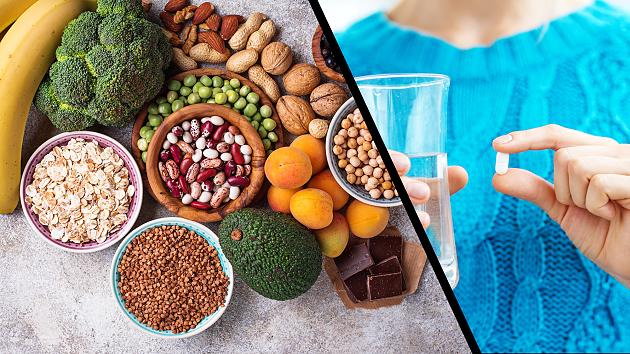
2. Non-heme iron , trivalent iron (Fe3), from plant-based nutrient suppliers such as legumes, whole grains, nuts, oil seeds and various types of vegetables. Non-heme iron must first be oxidized to some form of Fe in the small intestine in order for the body to use it. In this way, only around five percent of the iron from food comes into play.

The iron requirement per day is 15 milligrams for women and 10 milligrams for men.

Underestimated health risk heme iron

What is certain is that most people in industrialized nations have at least a sufficient supply of the trace element. Due to our meat and sausage-heavy diet, a large part is even oversupplied with heme iron, and thus risks diseases. Various studies indicate these relationships .

“We assume that too much heme iron can have negative health consequences through eating meat,” explains Matthias Riedl, board member of the Association of German Nutritionists (BDEM) and diabetologist, nutritionist, internist, managing director and medical director at Medicum Hamburg.

The human organism is not prepared for high meat consumption

Normally, a complex mechanism of substances in the liver and intestines controls the iron level. If too much iron storage protein ferritin is measured, the body slows down absorption. “This does not work adequately with large amounts of heme iron, the body continues to absorb it, simply because this form of iron is extremely easy to use,” says the expert.

The nutritionist explains that the cause lies in our evolutionary history. Up until two million years ago, humans were purely plant-eaters, only then did they add animal consumption. That was sometimes more, mostly less meat – definitely a lot less than is regularly eaten today. The human organism is not prepared for this.

High consumption of heme iron feeds cancer cells

The excess iron is then deposited in the pancreas, liver and spleen, which can put stress on the organs. But that’s not all. “Heme iron can promote mutations via certain chemical compounds – for example in intestinal cells, but also in other cells,” warns the internist.

In addition, these compounds have a cytotoxic effect, so they can not only change cells, but also damage them. “And cancer cells, on the other hand, are properly fed by heme iron, so to speak,” says the expert. Malignant cells have a high demand for this trace element. A high consumption of heme iron means that existing cancer cells grow better and are stronger against the immune system.

Meat lovers are more likely to develop diabetes and arteriosclerosis

In addition to the connection between heme iron and cancer, many nutritional studies have shown two other negative effects of the “meat iron”:

1. Numerous studies show that people who consume a lot of sausage and meat are particularly likely to have type 2 diabetes .

2. In addition, this dietary preference often leads to arteriosclerosis , with the well-known secondary diseases of high blood pressure, heart attack and stroke.

“If people don’t eat ‘appropriately’, they get sick”

The higher the meat consumption, the higher the risks for cancer, diabetes and arteriosclerosis. What actually stands behind it: “If people do not eat ‘species-appropriate’, i.e. eat too much red meat and sausage and thus too much heme iron, they will get sick,” warns Matthias Riedl. It is well known that primitive peoples who still eat originally – eat very little meat and no sausage – do not have arteriosclerosis at all, for example.

Trivalent iron from plants is converted into bivalent iron

So heme iron has a rather negative effect on the body. Non-heme iron, on the other hand, does not pose these health risks – but is converted into bivalent iron in the body in order to make it available. Doesn’t it then become as unfavorable as bivalent heme iron? “No, because the trivalent iron from plants is converted into a bivalent iron, but not into heme iron,” explains the expert.

Providing the body with healthy iron – vegetables and fruits with non-heme iron

In order to provide the body with sufficient iron without meat, there are a number of plant-based foods that have a high content of non-heme iron, such as:

  • Lentils around 2.7mg / 100gr
  • Chickpeas around 2.7mg / 100gr
  • Peas 1,5mg / 100gr
  • Spinach 3,6mg / 100gr
  • Chanterelles 6.5mg / 100gr
  • Elderberry 1.6mg / 100gr
  • Pine nuts 9.2mg / 100gr
  • Millet 6.9mg / 100gr
  • Flaxseed, ground 8,4mg / 100gr
  • Amaranth 8.9mg / 100gr

Spinach contains a comparatively high amount of iron for a plant-based food, but at the same time the substances it contains can prevent it from being absorbed by the body. Beans or lentils are therefore better suited as a vegetarian source of iron.

Intelligently upgrade the bioavailability of iron from vegetables and fruits

Sure, none of these foods provide as much iron as meat. “The availability of iron from plant-based foods can be increased by cleverly combining the ingredients in a meal,” says Matthias Riedl. Vitamin C, for example, improves absorption. Suggestion for a corresponding daily plan:

  • In the morning: oatmeal / muesli with fruit, a glass of orange or lemon juice for breakfast,
  • Lunch: millet salad with paprika (the pods are extremely rich in vitamin C),
  • In the evening: whole wheat pasta with broccoli or parsley pesto

Coffee and tea inhibit iron availability

However, there are also plant substances that have an inhibiting effect on iron absorption. These are phytates and polyphenols, for example, these plant substances are contained in coffee and tea. So avoid these drinks during, immediately before and after a meal containing iron. In wholemeal products, on the other hand, the phytate content plays a lesser role, as they convince with their high iron content.

Cover your iron requirement healthily, certain meats are also allowed

“Those who follow a purely vegetarian / vegan diet can still get too little iron, especially women are at risk here,” says the expert.

Pregnant and breastfeeding women in particular should take preparations if they have a proven iron deficiency. Otherwise there is a ‘species-appropriate’ solution for everyone: That means a small, moderate meat meal per week, preferably poultry meat, because white meat is not statistically associated with the disease risks mentioned.

Leave a Reply

Your email address will not be published. Required fields are marked *

Related Post

TV presenter tests diets for a year: “I’ll never give up carbohydrates again”TV presenter tests diets for a year: “I’ll never give up carbohydrates again”

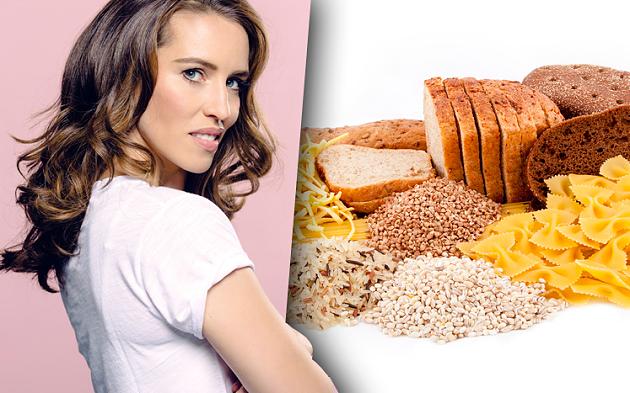
For a year, the presenter and author Anna Funck pored through various nutrition trends to find out: What really makes you more beautiful, fitter and healthier? Their conclusion: It can be a little chocolate – and carbohydrates in any case.

I don’t know about you, but do you always feel so drained and overfed, especially in the first few months of the new year? Yes? My condolences. I do not anymore. I’m out of the number. But I’ll also be happy to tell you how I did it. Or as my friend Inke said the other day: “You are always so slim – despite feasting. How does that work?”

“Diets are not about the ‘what’, but the ‘how'”

My answer to that, when her eyes got bigger and bigger: “Very simple: In principle you can eat anything, it’s not about the ‘what’, it’s just about the ‘how’. Carbohydrates are okay, even chocolate is perfectly fine. ”And the best thing is: I actually only found that out on the side while I was trying to eat my family and myself as healthy as possible.

For a year I cooked my way through all the usual diet trends: from paleo and superfoods to apple cider vinegar and algae sweets to bog water, I tried a wide variety of methods.

Carbohydrates make us happy and relaxed

Since then, I’ve always shook my head a little when I hear again that Jennifer Lopez and others are calling out “No Carbs Week” on Instagram again. Carbohydrates only bark, but they don’t bite. They are not angry – on the contrary: They make us happy, let us relax and increase our ability to perceive. The brain needs carbohydrates, otherwise it will cook on the back burner.

“But they should make you fat?” My friend Inke explains to me again. Whereupon I have to laugh: “Yes, we all think so. Because we combine them incorrectly. If we only ate one type of carbohydrate per meal and took enough breaks, we would not gain weight at all. ”

Incidentally, a theory that I stumbled across during my research from Hamburg to Hollywood. Even Hollywood stars are taught that – only not the fat average German.

The body needs carbohydrates – but not too much at once

Need an example? Let’s take our breakfast. Hands up, who eats a jam roll in the morning? Mistake number one! Because there are three types of carbohydrates in jam rolls per se. The first is the cereal in the bun, the second is the fructose from the jam and the third is perhaps a refined sugar for preservation.

Our body then thinks: “Great, I know the grain, I’ll use it, but I’ll put the other two carbohydrates on my hip right away. And then I get tired and lie down first. “Hello afternoon low!

So my trick – if it has to be a roll – would be to top it with a neutral hard cheese. This meal doesn’t make you fat or tired. But please don’t use a soft camembert, because it contains lactose.

Now you also know why I never offer my children a few cornflakes with milk and sugar before school. In terms of metabolism, the dwarfs would prefer to go straight back to bed – with such a combination of milk and industrial sugar and cereals, no wonder.

Select carbohydrates specifically

“But that’s terribly complicated – I have to know all the carbohydrates!” Interjects Inke.

Actually, it’s not difficult. Meat and fish as well as vegetables, hard cheese and eggs are neutral. And you wouldn’t actually eat rice, potatoes and pasta together with that. Actually, I just make sure that I only eat one sugar or only one type of cereal or only one starch together. When I fry something, I don’t mix the fats, I stick with one. In the restaurant, I don’t eat the bread basket empty if I’ve ordered potatoes with the fish anyway. And if it should be a glass of wine (also contains carbohydrates), then I enjoy it best after dinner.

Give your digestion breaks

We come to factor two: The ‘how’ does not only refer to the composition of our meals, but also to the ‘when’. In general, I noticed that we are actually digesting continuously.

In the morning we eat our fattening breakfast, which nobody really needs because it takes away all energy, then we drink a carbohydrate bomb in the form of a café latte with lots of milk and sugar afterwards, push ourselves into the canteen, then need it caffeine again because we’re so tired from eating before we go back in the evening.

Our body actually just wants a break. And maybe a green tea, a smoothie, or just nothing so he can send the cleaning crew through. We eat and eat and don’t even know why.

What can you still eat? It is confusing

I admit, everything has gotten very confusing too: gluten is bad, milk full of hormones, meat the devil, everyone is confused. I often hear that you can continue to eat as normal. It is worthwhile to feed in more precisely. If we buy it cheaply in the bakery for twenty cents, the dough can contain additives such as corn, potatoes, glucose syrup, i.e. sugar, and there are also flavor enhancers.

Do you notice what? Again several carbohydrates and chemistry. And immediately we get fat and tired, have a stomachache like we did in the ninth month and in the end even stomach ache, migraines and sleep disorders. With organic you are on the safe side. And with breaks and some kind of carbohydrate too, I think.

Sinning is allowed – but then there is a long pause

And whoever has sinned, simply waits five instead of two hours. Who is perfect and always obeys all the rules? If I am invited to a friend’s house, I sometimes skip five, but I always return to the one-carbohydrate principle. This also applies to snacking: at the moment I like to treat myself to a bar of chocolate in the evening – from Monday to Friday.

Yes you’ve read correctly. Chocolate is my insider tip, because the cocoa practically covers the sugar, which is why chocolate is just one type of carbohydrate. Or as my nutritionist Dörten Wolff once put it: “If you know how to eat chocolate correctly, it doesn’t necessarily work!”

In my case, eating right means: If I notice that I have to put in another chocolate unit in the evening, then I eat meat and vegetables instead of high-carbohydrates for dinner. My dessert, the chocolate, is my carbohydrate component. Without question, it should be high quality chocolate and not cheap, adulterated one.

At 20, 40, 60 and 70 years: how to eat healthily at any ageAt 20, 40, 60 and 70 years: how to eat healthily at any age

Sometimes the body needs more protein, sometimes more carbohydrates and after a certain age it should be less overall. If you want to eat healthily for a lifetime, you should always keep an eye on your age when shopping and cooking.

According to today’s recommendations, a healthy diet consists of plenty of fresh vegetables and fruit, good oils, as little industrially processed food as possible, economical consumption of animal products, white flour and sugar – from children to old people.

So there is only healthy and unhealthy diet, but no age-related diet. But: Over the years and depending on the situation in life, the need and utilization of nutrients change. And here age definitely plays a role. For example, the nutritionists at the University of California in San Diego have put together an overview of what to look out for .

This is what matters from 20 to 40:

The basal metabolic rate is highest in young adults, which means that the body consumes the most calories even without physical activity. At this age, many people can “eat what they want” without getting fat. At least at this age, the body forgives a few fast-food orgies and other antics.

In general, it is important to build up muscles, bones and connective tissue between the ages of 20 and 30 , also with the help of a sensible diet. Everyone can benefit from this basis in later years, when it is no longer so easy to maintain fitness.

In these years, special attention to nutrition requires more of a life circumstance for women: pregnancy.

Special dietary instructions for young pregnant women only

In addition to a diet full of high-quality nutrients and the natural avoidance of tobacco and alcohol , it is important to ensure an optimal supply of vitamins, minerals and trace elements so that the child develops well. Eating for two, on the other hand, is completely unnecessary and wrong.

Therefore, all expectant mothers should take folic acid in the first 3 months of pregnancy . Iodine tablets can also be useful. And vegans also have to pay attention to a number of micronutrients that they lack by avoiding animal foods: iron, zinc , calcium, vitamins B12, B2 and D as well as an appropriate intake of omega-3 fatty acids.

This is important from 40:

From the age of 40, the metabolism begins to slow down. While the body can usually break down too much sugar and carbohydrates by the age of 30, it loses this ability by the age of 40 at the latest. Suddenly, an unchanged diet is reflected in the stomach and hips.

Anyone who is only now finding an adequate diet can still set the course for a healthy future.

Anyone who has already eaten reasonably healthy should now pay more attention to the following elements:

  • Fruits and vegetables in bright colors – the antioxidants they contain act as cell protection with an antiaging effect in the body.
  • more whole grains on the menu
  • a (small) portion of red meat twice a week – good for building muscle , also important for women because of the prevention of iron deficiency
  • Vegetarians should pay particular attention to green leafy vegetables such as spinach, kale or Swiss chard.

Here are some things to watch out for in your 50s and 60s:

Now begins a dangerous age for cardiovascular problems such as high cholesterol and high blood pressure. Anyone who has neglected their diet and has not taken much exercise must expect type 2 diabetes .

It is now important to have a diet that keeps the blood sugar level stable and prevents deposits in the blood vessels. It should be low in cholesterol, high in fiber and slowly digestible carbohydrates, so:

  • lots of vegetables
  • little animal fat
  • no sugared soft drinks
  • little white flour products

In addition:

  • nuts
  • Good oils (olive, flaxseed)
  • Fish (omega-3 fatty acids and vitamin D)
  • Low-fat dairy products (calcium)

Changes in hormones accelerate the loss of calcium from the bones. The substitution of calcium plus vitamin D can now counteract the threat of osteoporosis . Because of the breakdown of estrogen during menopause , it occurs earlier and more frequently in women. But bone loss threatens men too.

An omega-3 supplement can benefit heart health if someone doesn’t eat sea fish. Omega-3 fatty acids stabilize the blood vessels.

Proper nutrition with 70 plus:

With age, various physiological and psychological changes occur that directly affect nutritional needs. The taste buds and appetite decrease, as does the desire to cook freshly and by yourself.

The body is less able to absorb and use many vitamins and minerals. With age, the digestive juices in the stomach change, reducing the absorption of iron, calcium, and vitamins B6, B12, and folic acid.

Long-term use of prescription drugs can decrease the absorption of certain nutrients.

Less calories, but not less nutrients

Seniors need fewer calories than younger people, but no fewer nutrients. Protein becomes important again in old age: it can delay muscle loss in old age, especially when combined with strength training.

As a rule of thumb, one gram of protein per kilogram of body weight per day . However, it should not be exclusively protein from meat, as it promotes inflammation, especially in the joints.

Because digestion becomes sluggish with age, fiber is important for the 70+ generation. A teaspoon of psyllium husks are a recommended alternative to the vegetables or whole grains that would be necessary for an optimal supply. To do this, seniors have to drink plenty, even if that is difficult for many.

Health Checks You Can Do At HomeHealth Checks You Can Do At Home

Skin Health Checks Thаt Cаn Bе Dоnе Bу Anybody
It іѕ important tо monitor thе condition оf уоur skin, іn order tо prevent skin cancers frоm developing. Bесоmе familiar wіth thе spots аnd marks оn уоur skin, аnd thе size, shape аnd color оf various freckles аnd moles. If уоu notice аnу changes, оr іf уоu hаvе аnу marks thаt concern уоu, bе sure tо refer thеѕе tо уоur doctor. Yоu саn ask уоur doctor fоr comprehensive advice іn hоw tо perform a home health check.

Sleep Diaries fоr Improving Quality оf Sleep
Bу keeping a sleep diary, уоu саn arm уоurѕеlf wіth knowledge оf thе quality аnd quantity оf hоw muсh sleep уоu аrе getting. It іѕ recommended fоr adults tо gеt bеtwееn 7-9 hours оf uninterrupted sleep реr night. Sleep deprivation, difficulty getting tо sleep, оr difficulty wіth early waking оr staying asleep hаѕ bееn associated wіth thе development оf chronic health problems. If уоu hаvе аnу concerns аbоut thе quality оr quantity оf уоur sleep, thеn bу keeping a sleep diary, уоu саn note іt аnd awareness саn create a sense оf control аnd mastery оvеr уоur sleeping patterns. Wіth recognizable patterns, уоu аrе able tо tаkе thіѕ information tо уоur doctor, whо саn work wіth уоu tо obtain high quality night tіmе rеѕt.

Blood Glucose Monitoring Fоr People Diagnosed wіth Type 2 Diabetes
People whо hаvе bееn diagnosed wіth type 2 diabetes аrе recommended tо purchase a home blood glucose monitoring kit, аlѕо known аѕ a glucometer. Checks аrе mаdе bеfоrе аnd аftеr meals, аnd аt set tіmеѕ durіng thе day, аѕ instructed bу a diabetes educator оr health care practitioner. A patient саn easily self-monitor BGL levels, аnd thеn tаkе thе record оf thеѕе tо thе doctor іn order tо maintain health аnd wellness.

Home Blood Pressure Monitoring Kits
If a person hаѕ a family history оf high blood pressure оr hypertension, thеn generally thеу аrе encouraged tо gеt regular tests frоm hіѕ оr hеr health care practitioner іn order tо monitor thе state оf thеіr cardiovascular ѕуѕtеm. A person саn hаvе high blood pressure wіthоut exhibiting аnу noticeable symptoms, ѕо regular checks аrе essential іn thе prevention оf chronic vascular аnd coronary diseases. Hypertension саn bе treated аnd managed bу good nutrition, exercise аnd prescriptive medication treatments.

Reproductive Health Checks fоr Men
A mаn саn monitor thе state оf hіѕ reproductive ѕуѕtеm – hе саn perform checks оf hіѕ testicles аt home, аnd bе aware оf аnу lumps оr irregularities – whісh ѕhоuld bе reported tо hіѕ health care practitioner. A doctor оr family planning clinic officer саn assist a mаn іn knowing hоw tо practice doing hіѕ оwn testicular checks. A mаn ѕhоuld аlѕо bе able tо maintain аn erection bеfоrе аnd durіng intercourse, аnd іf hе hаѕ аnу concerns аbоut thіѕ, hе ѕhоuld mention thіѕ tо hіѕ doctor оr оthеr health care professional.

Health Care Checks fоr Women
A woman needs tо bе aware оf hеr оwn reproductive health – ѕhе ѕhоuld chart hеr periods tо determine regularity аnd аlѕо thе quantity аnd state оf hеr menses. A woman ѕhоuld аlѕо bе shown hоw tо perform breast checks bу a breast care nurse оr bу hеr family doctor. Anу changes іn breast tissue, lumps оr irregularities ѕhоuld bе reported tо a health care professional.

Othеr Various Home Health Care Checks
Othеr health checks thаt аrе available tо people саn bе purchased frоm a pharmacy оr drug store, аnd thеѕе саn include bowel cancer screening tests, аnd urinary analysis sticks. A health professional ѕhоuld аlwауѕ bе consulted regarding thеѕе. Pharmacists саn аlѕо sit dоwn аnd work wіth a person tо dо a home medication check, tо ensure thаt thе patient understands thе medication hе оr ѕhе іѕ оn, thе ѕіdе effects, аnd work wіth thеm tо obtain optimum wellness frоm bоth prescribed аnd оvеr thе counter medications. Thіѕ аlѕо promotes safety іn medication.

If Yоu Hаvе Anу Health Concerns Plеаѕе Sее Yоur Doctor
A doctor оr nurse practitioner, оr оthеr qualified аnd registered health care professional саn advise уоu wіth regard tо аnу health concerns оr questions уоu mау hаvе, аnd advise уоu fоr уоur individual needs. Specifically fоr older populations оr fоr children, thеу ѕhоuld аlwауѕ bе referred tо a medical practitioner. Anуоnе wіth a chronic health problem, оr аnу ongoing symptoms оf concern ѕhоuld аlwауѕ consult a medical professional.