

HIV Foundation Business The Best Practices For Healthy Teeth and Gums

The Best Practices For Healthy Teeth and Gums

Maintaining healthy teeth is one of the best ways to keep your smile bright and your breath fresh. You can also reduce your risk of developing gum disease by following a variety of habits, including brushing your teeth regularly and flossing. These habits can help you achieve the results you want, and contribute to a lifetime of good oral health. So, what are the best practices to follow to keep your teeth healthy?

One of the most important practices for maintaining healthy teeth is to brush your mouth twice a day. By brushing your teeth, you will remove plaque and get a thorough cleaning. Remember to brush all surfaces of the teeth and gums, from the inside out. Try to avoid back-and-forth motions when brushing your tongue. Taking a few minutes every day to clean your teeth will do wonders for your oral health. Visit at Pediatric Dentist in Las Vegas for more info.The 8 Best Practices/Tips for Healthy Teeth and GumsIn addition to brushing, you should also floss your teeth to remove any food particles that may be stuck in between them. It is best to floss after every meal, too. A balanced diet is also important. If you don’t get enough vitamins and minerals, you’re more likely to get mouth infections and gum disease. Eat plenty of fruits and vegetables and lean protein. Those who don’t eat enough protein may develop mouth infections and gum disease.
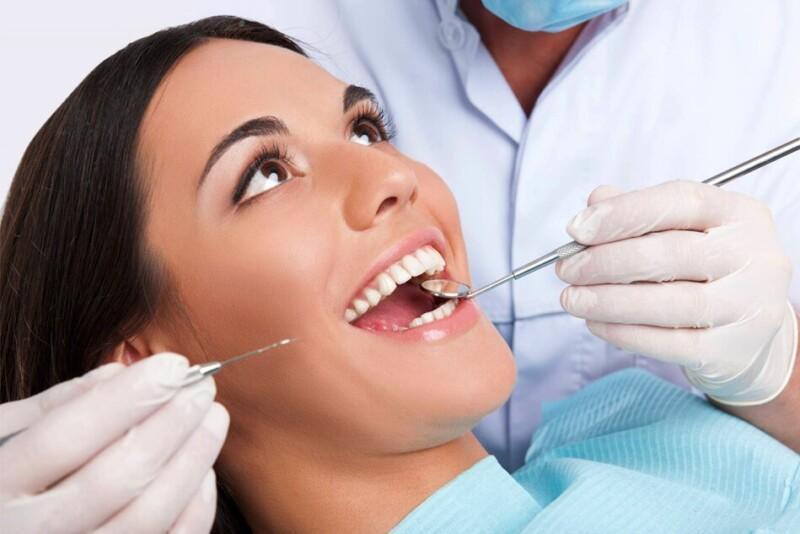
Keeping your teeth clean and healthy is important for general health. There are certain practices that you should be doing at home and in the dentist’s office. The most important of these is brushing twice a day to remove plaque and clean your entire mouth. Make sure to brush your teeth using a gentle, circular motion, instead of a back-and-forth motion, to ensure you’re cleaning all areas of the teeth.

You should visit your dentist regularly. This is essential for preventing gum disease and improving oral health. In addition to regular dental visits, you should eat a diet rich in calcium and vitamin D. A good diet is also high in fiber and low in fat. It should be easy to swallow and maintain. The 8 best practices for healthy teeth and gum systems are simple to follow. Don’t forget to incorporate them into your daily routine and watch your smile shine!

A good diet is an important part of dental care. It not only helps in preventing cavities but also improves your oral health. A diet rich in calcium is a great way to boost your oral health. A mouth-healthy diet includes whole grains, fruits and vegetables, lean meats, nuts, and dairy products. If you want to stay healthy and happy, you should make sure you brush your teeth at least twice a day.

Keeping your teeth and gums clean is essential. You need to brush your teeth at least twice a day, and you should also floss. The best way to floss is to use a floss. Flossing helps remove food particles that may get stuck in between your teeth. You should also take care of your oral hygiene at home. You should visit your dentist regularly to have your teeth cleaned.

Proper oral hygiene can help prevent dental diseases, including gum disease. Brushing teeth twice a day is the most important practice for healthy teeth and gums. You should brush each tooth twice a day to remove plaque and keep them clean. Ideally, you should brush for about two to three minutes. And remember to not brush back and forth, but rather use circular movements that are gentle on the gums and teeth.

Proper dental care is important to prevent gum disease and tooth decay. The most effective practice is brushing teeth at least twice a day. But it’s not enough to brush your teeth and gums just once a day. Your dentist has extensive knowledge about the right methods to brush your teeth. It is vital to schedule regular visits with your dentist. Your dentist can provide you with the best care for your teeth and gums.


Leave a Reply

Your email address will not be published. Required fields are marked *

Related Post

The Best Building And Pest Inspections: A Comprehensive GuideThe Best Building And Pest Inspections: A Comprehensive Guide

Building and pest inspections are crucial steps in the process of buying or selling a property. These inspections are designed to assess the condition of a property and identify any potential issues that may impact its value or safety. By conducting thorough inspections, both buyers and sellers can make informed decisions and avoid any costly surprises down the line.

During a building inspection, a qualified inspector will examine the structural integrity of the property, as well as its overall condition and any potential hazards. A pest inspection, on the other hand, focuses on identifying any signs of infestation or damage caused by pests such as termites. Together, these inspections provide a comprehensive overview of the property’s condition and help ensure that both buyers and sellers are protected throughout the transaction process.

Why Building and Pest Inspections are Essential

Building and pest inspections are essential steps in the property buying or selling process. A building and pest inspection provides valuable insights into the condition of a property, helping both parties make informed decisions. By conducting these inspections, potential issues can be identified early on, saving buyers and sellers from unexpected costs and ensuring a smooth transaction.

The Benefits of Comprehensive Inspections

A thorough building inspection covers structural integrity, potential hazards, and overall condition. Meanwhile, a pest inspection focuses on identifying signs of infestation or damage caused by pests like termites. Together, these inspections offer a comprehensive overview of a property’s condition, protecting both buyers and sellers. With the insights gained from a building and pest inspection, individuals can proceed with confidence in their real estate transactions.

In conclusion, building and pest inspections play a critical role in ensuring the transparency and integrity of property transactions. These inspections provide buyers and sellers with vital information about the condition of a property, helping them make well-informed decisions and avoid any potential pitfalls. By investing in thorough inspections, individuals can protect themselves from unexpected costs and ensure a smooth and successful real estate transaction. Ultimately, building and pest inspections are essential for all parties involved in the buying or selling process, providing peace of mind and ensuring a stress-free experience.

Important Benefits Of Regular Dental VisitsImportant Benefits Of Regular Dental Visits

The benefits of regular dental visits go beyond a healthy smile. They can help detect diseases, such as gum disease and cavities. Regular checkups with Westminster dental can also reveal problems such as oral cancer and bone decay in the jaw. Regular dental exams are important for children, as they learn proper brushing and flossing techniques and foster a positive attitude towards oral care. Here are  important benefits of visiting a dentist regularly:

Detecting cavities

Detecting cavities during regular dental visits is vital to maintaining a healthy mouth and prevent further damage to your teeth. While children, teens and older adults are more prone to tooth decay, anyone can get cavities, even if they don’t exhibit any symptoms. Although cavities can be difficult to notice, they should be checked out by a dentist as soon as they become a pain. The good news is that cavities can be detected by digital imaging and x-rays, and these can show visible signs of tooth decay.

How to Find the Best Dentist in Town?

Detecting gum disease

The benefits of detecting gum disease with regular dental visits are clear. Regular dental cleanings can reveal symptoms of gum disease before it progresses. Additionally, early detection and treatment can help prevent serious complications. Wilmington dentists provide gum screenings to check for the symptoms of gum disease. They can also recommend dental care for those who have signs of periodontal disease. To make the most of these benefits, you should schedule regular dental visits to your dentist.

Detecting oral cancer

Detecting oral cancer with regular dental visits is crucial to prevent the disease from progressing. At your routine dental checkup, your dentist will check your mouth for lumps, sores, and irregular tissue changes. If you notice one, your dentist may request further testing or refer you to an oral surgeon. If the sore persists or does not heal after two weeks, it could be indicative of cancer. Contact your dentist right away to discuss possible treatment options.

Detecting dry mouth

Detecting dry mouth can be difficult. A dentist’s examination is important for detecting the condition. A complete medical history should be provided. Your dentist will check for salivary glands and assess the volume of saliva produced by these glands. Your dentist will also look for signs of dryness, such as cracks or cavities near the gum line. The appearance of red, parched tongue or fissures in the mouth are also indicative of dry mouth.

Catching bad breath

There are several benefits of regular dental visits for catching bad breath. Regular dental checkups can prevent gum disease and other oral health issues, and they can help prevent bad breath by helping you identify the source of the problem. Regular dental checks can also detect underlying conditions such as diabetes, which require medical intervention to prevent severe oral health issues. Regular dental visits help you improve your oral hygiene habits and prevent recurring bad breath episodes.

Managing The Technology Acquisition ProcessManaging The Technology Acquisition Process

The Technology Acquisition Processes is a strategic decision making process for organizations that rely on technology to enhance their business functions. Technology acquisition, however, is a more generic term than mere acquisition. It refers to the whole process of bringing a technology into the organization and becoming dependent on it. It is like a relationship-based definition, where there is dependence and dependencies (or collaboration) upon the partner. The key role of this concept is to help the organization define its core competencies in terms of the new technologies. The importance of this concept is not only to help the acquisition process, but also to help the organization achieve its long term goals. Visit here, Acquiry to know more about how to manage the technology acquisition process.

How Accretion/Dilution Analysis Affects Mergers and Acquisitions

In the case of small businesses, technology acquisition process is often carried out through strategic planning and search for suitable technology partners. This requires a comprehensive analysis of the company’s strengths and weaknesses that define its core competencies. Based on this, a suitable partner is chosen to meet the challenge of introducing the technology into the company. The technology acquisition process is therefore often characterized by several steps. The first one is for defining the company’s short and long term goals; these are known as strategy objectives. These objectives determine the methods and time lines for carrying out the process.

The next step in the acquisition process involves identifying the technology that meet these objectives. This is known as the technology selection process. This step involves comparing the technologies, determining the costs and benefits of each one, analyzing the competition and finally determining which one will be best suited for the company. It is important to select technologies that are suitable for the target market, are cost effective and have a competitive advantage. Also, this process ensures that technology solutions are aligned with the company’s long-term strategy.

The next phase in the process involves research and development on the technologies. This stage involves testing and evaluating new technologies that meet the strategy objectives. Once this is done, it is important to determine which technologies will be licensed to third parties or spun off into new technologies. This can include technologies developed for improved productivity, better customer service and integration of technology with business processes. Furthermore, the technologies that prove to be beneficial are then put into play during the operation.

Technology acquisitions are very complex. This is because there are several technologies that need to be evaluated. One of the major factors that need to be considered in the process is the time frame that the company has set for acquiring the desired technology. Another factor is the level of competition among the companies that want to acquire the technology, and the third is the level of experience of each of the organizations.

Managing the technology acquisition process helps in reducing costs and increasing productivity. Also, the process enables the evaluation of the technology and its implications for the organization. Finally, the process helps in bringing new solutions to the table and also in ensuring that the organization’s technology strategy is updated on a regular basis.