

HIV Foundation Business The Best Practices For Healthy Teeth and Gums

The Best Practices For Healthy Teeth and Gums

Maintaining healthy teeth is one of the best ways to keep your smile bright and your breath fresh. You can also reduce your risk of developing gum disease by following a variety of habits, including brushing your teeth regularly and flossing. These habits can help you achieve the results you want, and contribute to a lifetime of good oral health. So, what are the best practices to follow to keep your teeth healthy?

One of the most important practices for maintaining healthy teeth is to brush your mouth twice a day. By brushing your teeth, you will remove plaque and get a thorough cleaning. Remember to brush all surfaces of the teeth and gums, from the inside out. Try to avoid back-and-forth motions when brushing your tongue. Taking a few minutes every day to clean your teeth will do wonders for your oral health. Visit at Pediatric Dentist in Las Vegas for more info.The 8 Best Practices/Tips for Healthy Teeth and GumsIn addition to brushing, you should also floss your teeth to remove any food particles that may be stuck in between them. It is best to floss after every meal, too. A balanced diet is also important. If you don’t get enough vitamins and minerals, you’re more likely to get mouth infections and gum disease. Eat plenty of fruits and vegetables and lean protein. Those who don’t eat enough protein may develop mouth infections and gum disease.
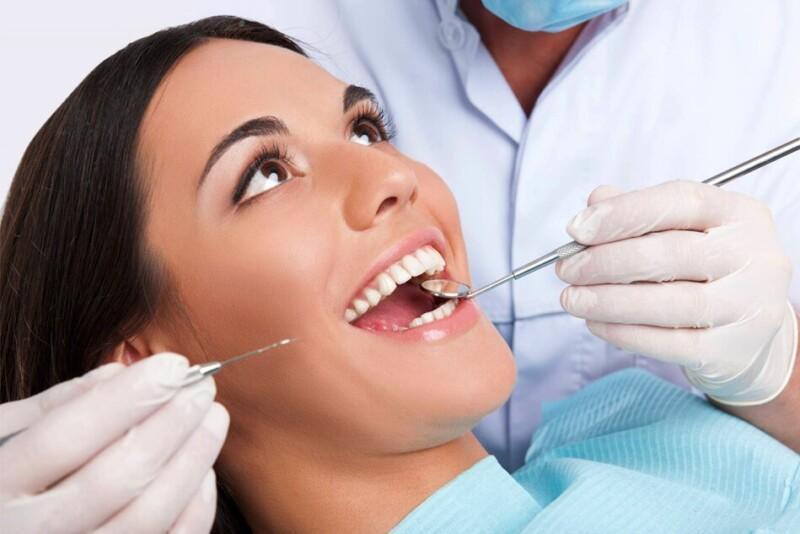
Keeping your teeth clean and healthy is important for general health. There are certain practices that you should be doing at home and in the dentist’s office. The most important of these is brushing twice a day to remove plaque and clean your entire mouth. Make sure to brush your teeth using a gentle, circular motion, instead of a back-and-forth motion, to ensure you’re cleaning all areas of the teeth.

You should visit your dentist regularly. This is essential for preventing gum disease and improving oral health. In addition to regular dental visits, you should eat a diet rich in calcium and vitamin D. A good diet is also high in fiber and low in fat. It should be easy to swallow and maintain. The 8 best practices for healthy teeth and gum systems are simple to follow. Don’t forget to incorporate them into your daily routine and watch your smile shine!

A good diet is an important part of dental care. It not only helps in preventing cavities but also improves your oral health. A diet rich in calcium is a great way to boost your oral health. A mouth-healthy diet includes whole grains, fruits and vegetables, lean meats, nuts, and dairy products. If you want to stay healthy and happy, you should make sure you brush your teeth at least twice a day.

Keeping your teeth and gums clean is essential. You need to brush your teeth at least twice a day, and you should also floss. The best way to floss is to use a floss. Flossing helps remove food particles that may get stuck in between your teeth. You should also take care of your oral hygiene at home. You should visit your dentist regularly to have your teeth cleaned.

Proper oral hygiene can help prevent dental diseases, including gum disease. Brushing teeth twice a day is the most important practice for healthy teeth and gums. You should brush each tooth twice a day to remove plaque and keep them clean. Ideally, you should brush for about two to three minutes. And remember to not brush back and forth, but rather use circular movements that are gentle on the gums and teeth.

Proper dental care is important to prevent gum disease and tooth decay. The most effective practice is brushing teeth at least twice a day. But it’s not enough to brush your teeth and gums just once a day. Your dentist has extensive knowledge about the right methods to brush your teeth. It is vital to schedule regular visits with your dentist. Your dentist can provide you with the best care for your teeth and gums.


Leave a Reply

Your email address will not be published. Required fields are marked *

Related Post

Top Tips For Effective Wasp TreatmentTop Tips For Effective Wasp Treatment

Wasps can be a pesky nuisance when they invade your home or outdoor space. If you have been dealing with an infestation of these stinging insects, it is important to know how to properly treat the problem before it gets out of control. Whether you are allergic to their venom or simply want to enjoy your outdoor activities without the fear of being stung, understanding the best methods for wasp treatment is essential.

In this article, we will discuss effective ways to treat a wasp infestation, including natural remedies and professional pest control services. By taking proactive measures to address the issue, you can ensure a safe and comfortable environment for you and your family. Don’t let wasps ruin your summer – learn how to effectively treat and prevent their presence today!

Effective Ways to Treat a Wasp Infestation

Dealing with a wasp infestation can be daunting, but there are several effective ways to treat the problem. One option is to use natural remedies such as essential oils or vinegar to deter wasps from building nests near your home. Another effective method is to contact professional pest control services like wasps treatment QLD. Pest control experts have the knowledge and tools to safely remove the nests and eliminate wasps from your property, ensuring a long-term solution to the infestation.

By taking proactive measures to address a wasp infestation, you can enjoy a safe and comfortable environment without the fear of being stung. Whether you choose to use natural remedies or seek professional help, it is important to act quickly to prevent the problem from escalating. Don’t let wasps ruin your summer – learn how to effectively treat and prevent their presence today with wasps treatment QLD.

Taking the necessary steps to address a wasp infestation is crucial in maintaining a safe and comfortable environment for you and your family. Whether you opt for natural remedies or enlist the help of professional pest control services, it is important to act promptly to prevent the issue from worsening. By understanding effective ways to treat and prevent wasps, you can ensure a peaceful and enjoyable summer free from the nuisance of these stinging insects. Don’t let wasps ruin your outdoor activities – take action today to address the infestation and protect your home and loved ones.

Advantages of Asphalt Driveways Over Concrete DrivewaysAdvantages of Asphalt Driveways Over Concrete Driveways

There are a number of benefits to asphalt driveways. Among these are cost-effectiveness, flexibility, and durability. However, there are also certain disadvantages to concrete. Here are a few of them. Hopefully, these tips will help you decide which one is right for your home with the help of asphalt driveways perth. Also, consider the amount of time it takes to install each one, and whether they’re important to you.

Cost-effectiveness

When comparing costs for asphalt paving versus concrete paving, the most obvious difference is the initial cost. Asphalt is much less expensive than concrete, ranging between $2 and $5 per square foot. However, this cost is only partially representative of what you’ll spend over the lifetime of the driveway. Other costs that can significantly impact the cost are the materials and labor for preparation and construction. For example, some homeowners decide to use reclaimed asphalt for their driveway, which can save them hundreds or even thousands of dollars.

Perth Asphalt Driveways & Carparks

Durability

If you’re planning to build a new driveway on your property, you might wonder whether to choose asphalt or concrete. Both materials are durable, but concrete is considerably more expensive. The cost of maintenance on an asphalt driveway is between $2 and $5 per square foot. In addition, asphalt is more easily maintained than concrete, which may require seal coating every three years. Concrete is a mixture of gravel and cement. It must be prepared properly, compacted, and reinforced with steel bars before pouring it onto a surface. Then, the mixture is poured into the desired thickness. The material will take approximately a week to dry, and it is ready to use.

Flexibility

While asphalt tends to be dark and unattractive, recent innovations have made it possible to get creative with your driveway design. Traditional asphalt only comes in two color options – black and gray. The color possibilities for concrete are virtually endless. Concrete can be stained to match the house color or stamped to mimic brick, cobblestone, or complex medallion patterns. It also offers many more design options than asphalt.

Less cracking

Whether you have a brand-new driveway or an old one, you should be aware of the causes of asphalt cracking. Cracks in asphalt are the result of two factors: moisture retention and temperature changes. As the temperature changes, moisture will seep through the surface of asphalt and expand. This causes cracks to form. The most common cause is the winter cycle, where the temperature fluctuates from cold to hot.

Less frequent repairs

While concrete driveways require more frequent maintenance, asphalt requires fewer repairs. Although asphalt needs more frequent sealing, it is relatively simple to patch a crack or resurface it. As an added benefit, asphalt repairs blend in well with the rest of the driveway. Concrete, on the other hand, is harder to repair, and the cracks tend to be noticeable. Even though the latter type of driveway requires more frequent maintenance, it can last for many years.

Important Benefits Of Regular Dental VisitsImportant Benefits Of Regular Dental Visits

The benefits of regular dental visits go beyond a healthy smile. They can help detect diseases, such as gum disease and cavities. Regular checkups with Westminster dental can also reveal problems such as oral cancer and bone decay in the jaw. Regular dental exams are important for children, as they learn proper brushing and flossing techniques and foster a positive attitude towards oral care. Here are  important benefits of visiting a dentist regularly:

Detecting cavities

Detecting cavities during regular dental visits is vital to maintaining a healthy mouth and prevent further damage to your teeth. While children, teens and older adults are more prone to tooth decay, anyone can get cavities, even if they don’t exhibit any symptoms. Although cavities can be difficult to notice, they should be checked out by a dentist as soon as they become a pain. The good news is that cavities can be detected by digital imaging and x-rays, and these can show visible signs of tooth decay.

How to Find the Best Dentist in Town?

Detecting gum disease

The benefits of detecting gum disease with regular dental visits are clear. Regular dental cleanings can reveal symptoms of gum disease before it progresses. Additionally, early detection and treatment can help prevent serious complications. Wilmington dentists provide gum screenings to check for the symptoms of gum disease. They can also recommend dental care for those who have signs of periodontal disease. To make the most of these benefits, you should schedule regular dental visits to your dentist.

Detecting oral cancer

Detecting oral cancer with regular dental visits is crucial to prevent the disease from progressing. At your routine dental checkup, your dentist will check your mouth for lumps, sores, and irregular tissue changes. If you notice one, your dentist may request further testing or refer you to an oral surgeon. If the sore persists or does not heal after two weeks, it could be indicative of cancer. Contact your dentist right away to discuss possible treatment options.

Detecting dry mouth

Detecting dry mouth can be difficult. A dentist’s examination is important for detecting the condition. A complete medical history should be provided. Your dentist will check for salivary glands and assess the volume of saliva produced by these glands. Your dentist will also look for signs of dryness, such as cracks or cavities near the gum line. The appearance of red, parched tongue or fissures in the mouth are also indicative of dry mouth.

Catching bad breath

There are several benefits of regular dental visits for catching bad breath. Regular dental checkups can prevent gum disease and other oral health issues, and they can help prevent bad breath by helping you identify the source of the problem. Regular dental checks can also detect underlying conditions such as diabetes, which require medical intervention to prevent severe oral health issues. Regular dental visits help you improve your oral hygiene habits and prevent recurring bad breath episodes.