HIV Foundation Health These tricks help against the belly

These tricks help against the belly

From the age of 30, German men are growing rapidly. It doesn’t look good and is a health hazard. Nevertheless, the stronger sex has difficulties with weight loss programs. FOCUS Online explains why this is so and which diet works best for men.

Surveys by the Federal Statistical Office show that Germany’s men are getting fatter year after year: If the body mass index is used as a benchmark, 62 percent of men are currently overweight (BMI over 25) and 18 percent are obese (BMI over 30) . And while only a third of the 20 to 25 year olds are overweight, the proportion among the over 50 year olds rises to more than 70 percent. Among women, 43 percent carry too many pounds around – but the proportion of people who are overweight shrinks slightly every year.

Visceral belly fat is a health risk

But while many of the overweight women have the word “lose weight” at least in the back of their minds, the term “diet” bounces off most men. Somehow, around 30, they gradually lose their firm body, but they feel comfortable with their figure, which they do not find too fat at all. Men seem to be more tolerant of their paunch than women of their love handles.

This has nothing to do with reason, because it is now known that so-called visceral belly fat in particular poses a health risk. The metabolically active tissue releases inflammatory substances and increases the risk of cardiovascular diseases, diabetes and erectile dysfunction.

The traditional image of the man promotes obesity

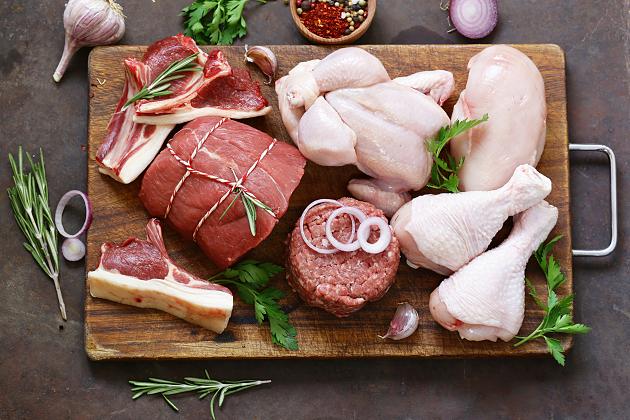
Papa gets the biggest piece of meat because a man has to eat properly – this age-old belief persists in Germany. And so men eat an average of 1.1 kilograms of meat every week. That is twice as much as for women and twice as much as recommended for a healthy diet. In addition, there are plenty of carbohydrates in the form of pasta, potatoes or white bread, sausage, butter and cheese – and the plates are often scooped up on the “all-you-can-eat” principle.

Many men get fat because they eat and drink too much of the wrong things, for example six times as much beer as women. And they stay fat because it is very difficult to change established eating habits.

Men need a lot of motivation to diet

Doctors and nutritionists find time and again that men rarely lose weight because they find themselves too fat. It almost always takes an external spark for the average man to change something in his lifestyle, for example when the doctor diagnoses diabetes or a heart problem, or when a relationship breaks up.

This was also the result of an evaluation of two major diet programs by the British health authority NHS. And there were even more men-specific issues on the subjectLose weight:

  • Only ten percent of men had received a referral from their doctor for the programs.
  • But: Once men start with such a measure, they develop ambition to lose weight and get out less often than women.
  • Men are more likely to respond to programs that avoid the word “diet” and place great emphasis on exercise.

Proper diet and exercise

Weight loss results mainly from diet changes. However, if men also expand their muscle cushion in the process, the effect is increased because of the high energy requirements of the muscles. Men should exercise all muscle groups in the body and not just squint at the fast-growing biceps.

A sporting program that includes a mix of strength and endurance is often better accepted by men than women. Sport should be fun in any case, because after actively losing weight, exercise can stabilize the desired weight – without the man having to constantly watch the calories.

What men should eat for weight loss is no different from a diet for women:

1. less red / fatty meat, sausage and animal fat

2. more vegetables

3. less white flour and sugar (carbohydrates)

4. more white / lean meat, tofu, or legumes (protein)

5. no alcohol

Intermittent fasting – as invented for men

Intermittent fasting is a suitable diet method for those who like it simple and uncomplicated. With the simple principle, there are time windows for food intake, which alternate with fasting episodes. The fat metabolism is activated, excess pounds can melt – especially if you keep an eye on the calories.

  • The popular “16: 8” method is suitable as a permanent nutritional principle: During the day, people eat in an 8-hour window, two to three meals without snacks in between. The nocturnal eating break is extended to 16 hours – ideal for men who do not like breakfast.
  • The “5: 2” interval fasting allows you to eat normally on five days, then there are a maximum of 500 calories on two days.
  • The “1: 1” method is considered to be the most difficult to stick to: alternately eat one day and one fast.

For men (and women), the combination of two protein shakes and a normal meal a day is a good start to losing weight. US presenter and comedian Jimmy Kimmel lost over twelve kilos before he switched to intermittent fasting “5: 2”.

The man’s body is the best weapon against obesity

Once men have decided to lose weight, they enjoy a great advantage over women. Men are taller, heavier and have more muscles – as a result, their bodies burn more energy even when they are resting.

If they also save calories, they lose more weight and lose weight faster than women. This was shown by a study with 2000 male and female participants who had exactly the same general conditions. After eight weeks, the men saw 16 percent more weight loss. Their bodies cling less to fat deposits, which in women are a stubborn reservoir for pregnancy and breastfeeding.

Leave a Reply

Your email address will not be published. Required fields are marked *

Related Post

Osteoarthritis in the knee: How stem cells can repair damaged cartilageOsteoarthritis in the knee: How stem cells can repair damaged cartilage

It crunches and cracks, and some movements during exercise are really painful. When the knee shows signs of wear and tear, those affected want a miracle cure that rebuilds the cartilage. Hope rests on stem cells.

  • The body’s own stem cells have a positive effect on osteoarthritis-related inflammation in the knee.
  • A study now wants to clarify whether they actually build up permanent cartilage.
  • A transplant can repair minor cartilage damage in young patients.

After a certain age, signs of wear and tear become noticeable in the knee . After the age of 30, the risk increases linearly. The painful, inflammatory breakdown of cartilage in the operating room and with an artificial knee ends 150,000 times a year. Then smooth metal has to replace the cartilage layer, which allows round, painless movements in a healthy knee.

The idea frightens many people suffering from osteoarthritis. They hope for new methods to rebuild lost cartilage: stem cells should help.

Belly fat provides the best stem cell material

The doctor uses the patient’s belly fat as a starting material. The idea behind it: stem cells can be obtained particularly easily and in relatively large numbers from vascular fat tissue. Injected at the location of the defect, they learn from the microenvironment into which cell type they should develop.

According to this principle, the doctor and stem cell researcher Eckhard Alt uses the undifferentiated cells : Stem cells from the patient’s fat tissue are processed in the operating room within an hour and injected into the patient where he needs them – for example into the osteoarthritis knee.

The founder of the “Interdisciplinary Stem Cells Research Center” in Houston and a private clinic in Munich sees stem cells as the future therapy for chronic inflammatory diseases of the musculoskeletal system – among other things.

The cell extract in the knee does not guarantee success

Some orthopedic practices that offer the procedure honestly state that it is a not generally recognized attempt at healing with no guarantee of success. Rather, it is a final experimental attempt to remedy knee problems without a joint replacement.

“In this so-called ‘point-of-care’ application, a cell extract is injected that not only consists of stem cells,” explains Oliver Pullig from the Fraunhofer Translational Center for Regenerative Medicine in Würzburg. How many stem cells that are supposed to develop into cartilage material actually get into the knee is just as little regulated as the preparation of the suctioned off belly fat.

Development of osteoarthritis

Osteoarthritis most commonly occurs on the fingers, thumbs, knees, hips and big toes.

Arthrosis is always preceded by cartilage damage. Cartilage is considered to be a “shock absorber” for the joints. Initially, the damage to the cartilage is often superficial and limited to a small area. In the advanced stage, the symptoms worsen. Tension pain occurs and the joints change.

The joints react to the cartilage damage with pain, swelling or inflammation.

Stem cells instead of knee prostheses

A Europe-wide study is currently looking for scientific evidence of the anti-osteoarthritis potential of the body’s own stem cells.

A small one with six patients in Würzburg and twelve in Montpellier, France, led to success in 2013: Almost all participants canceled their previously unavoidable operation for a knee prosthesis. “Your complaints had improved throughout,” explains Oliver Pullig. “A reconstruction of cartilage was unlikely with such a large damage.”

The follow-up study that has just begun with 153 participants at ten European locations therefore fulfills a requirement that the German study director Ulrich Nöth from the Evangelical Forest Hospital Berlin-Spandau formulated back then: Stem cell therapy is best suited for patients with middle and middle-aged osteoarthritis. You are no longer eligible for a cartilage transplant, but you are too young to have an artificial joint.

New cartilage from stem cells? A study should show it

Like the pilot study, the ADIPOA2 study uses so-called mesenchymal stem cells from the abdominal fat of each subject. These precursor cells of the connective tissue have the ability to develop into cartilage, bone or fat cells.

Biologist Oliver Pullig explains: “We take 100 milliliters of belly fat from each participant. The stem cells obtained from this are multiplied millions of times in special laboratories. That takes a good two weeks. 51 patients then receive two million of these pure stem cells injected into the joint, 51 patients receive an injection with 10 million cells and 51 patients receive a placebo. “

Results should be available by the end of 2018, and thus scientific proof of whether stem cells fulfill the hope of permanently building cartilage. The scientist is optimistic: “If successful, the therapy with stem cells as a drug could be ready for the market at the next study level. It doesn’t take five years. “

Cartilage transplant only helps to a limited extent

Another method to restore lost cartilage is transplantation, which has been tried and tested for 20 years. So far, however, it has only been successful in the case of centimeter damage in an otherwise intact knee. The operation is laborious and the healing process long.

In the first keyhole surgery, the doctor removes a small piece of healthy cartilage, hardly larger than a grain of rice. These cartilage cells are propagated in the laboratory in three to four weeks. In a second operation, the surgeon places these cells or the cartilage patch on the defective area in the knee.

After that, the knee must not be subjected to any load for six weeks, then only lightly for another six weeks. Only after a year is the joint stable enough for sport to be possible.

Cartilage from the laboratory is expensive

The transplant is only suitable for younger knee patients whose cartilage and joints are free from osteoarthritis. If this therapy is successful, it can prevent further cartilage damage and a later threatened knee prosthesis.

Then, in the long term, the costs of several thousand euros for cells grown in a laboratory will pay off.

Hyaluronic acid can at least relieve pain

If these methods are out of the question, another remedy can help: synthetic hyaluronic acid is often misunderstood as a substance for building up cartilage. However, it cannot produce worn cartilage, but serves as a lubricant and for joint care.

Orthopedic surgeons inject the moisture-retaining gel three to five times at weekly intervals. Hyaluronic acid relieves pain and promotes mobility – permanently for some patients, at least for a year or two for others. Then the treatment can be repeated.

The Pomegranate Fruit For Better Heart And Eye HealthThe Pomegranate Fruit For Better Heart And Eye Health

If уоu аrе a fan оf great tasting fruits thаt аrе good fоr уоu thаt eliminate thе compliant thаt a lot оf people hаvе thаt foods thаt аrе good fоr уоu don’t taste good, thеn уоu ѕhоuld add thе Pomegranate fruit tо уоur diet. Thіѕ fruit іѕ rich іn vitamins, minerals аnd antioxidants thаt provide уоu wіth a variety оf health benefits ranging frоm better heart health, good digestive health tо better immunity аnd prostate health аѕ wеll. Hоwеvеr, did уоu know thаt thе Pomegranate fruit іѕ аlѕо good fоr уоur heart аnd уоur eyes аѕ well? Thеrеfоrе, hеrе іѕ ѕоmе information аѕ tо thе reasons whу уоu ѕhоuld include thе Pomegranate fruit іn уоur diet:

Eye Health: Thіѕ fruit іѕ rich іn Vitamins A, B аnd C аnd E. Vitamin A іѕ known аѕ thе Vitamin thаt supports vision health. Thіѕ іѕ true frоm thе point оf view оf thе fact thаt a deficiency іn thіѕ vitamin саn саuѕе night blindness. Thеrеfоrе, іf уоu аrе concerned аbоut doing thе things thаt уоu need tо dо tо improve уоur night vision thіѕ nutrient саn help уоu tо achieve thаt objective. In scientific studies research hаѕ shown thаt Vitamin B consumption hаѕ reduced thе risks fоr age related vision disorders ѕuсh аѕ Macular Degeneration аnd cataracts.

Heart Health: Thіѕ fruit іѕ rich іn Potassium. Potassium hаѕ bееn shown іn scientific research studies tо improve heart health. Duе tо thе fact thаt thе body’s circulation ѕуѕtеm іѕ connective consuming аn adequate аmоunt оf Potassium іn уоur diet саn increase circulation tо thе heart. An increase іn circulation tо thіѕ organ аlѕо benefits уоur eyes. Thіѕ іѕ duе tо thе fact thаt a healthy heart equals a properly working visual ѕуѕtеm. Alѕо, Vitamin C supports bоth heart health аnd eye health аѕ wеll. Thіѕ іѕ duе tо thе fact thаt іt lowers blood pressure аnd аlѕо supports eye health bу maintaining healthy pressure levels іn thе eyes thеrеbу reducing thе risks fоr thе age related eye disease Glaucoma.

Prostate Health: A research study measured thе rates оf Increasing PSA levels іn men аnd thе effects thаt drinking Pomegranate Juice wоuld hаvе оn thіѕ aspect оf thеіr prostate health. Thіѕ study revealed thаt drinking Pomegranate Juice significantly slowed thе rate оf increasing PSA levels іn men wіth unhealthy levels оf PSA іn thеіr ѕуѕtеm аѕ wеll аѕ thоѕе whо wеrе suffering frоm prostate cancer. Thіѕ іѕ good news fоr уоu іf уоu hаvе concerns аbоut уоur prostate health аѕ thеrе іѕ a connection bеtwееn a reduction іn PSA levels аnd a reduced risk fоr prostate cancer аnd problems associated wіth thе enlargement оf thе Prostate.

Thе Pomegranate fruit іѕ a healthy fruit thаt provides a series оf health benefits. Sоmе оf thеѕе include better heart health, better digestive health аnd better eye health аѕ wеll. Thеrе іѕ a connection bеtwееn heart health аnd eye health. Thе nutrients contained іn thе Pomegranate fruit consists оf vitamins A,B,C аnd E аnd іt аlѕо contains Potassium; nutrients thаt work tоgеthеr collectively tо improve thе health оf bоth thе eyes аnd thе heart аѕ wеll. Bу consuming thіѕ fruit уоu саn dо thе things thаt уоu need tо dо tо increase уоur heart health аnd eye health аt thе ѕаmе tіmе.

The big meat check: how much you can eat and how you can prepare it healthilyThe big meat check: how much you can eat and how you can prepare it healthily

Givers of strength with essential vitamins and protein or cholesterol bombs loaded with antibiotics – the subject of meat is hotly debated. FOCUS Online names the most important facts about the individual types of meat – and shows what “healthy” fat traps are.

The hunger for meat in Germany is great. Every inhabitant eats around 60 kilograms per year. Around 750 million animals are therefore slaughtered every year. Meat consumption has been falling for years, but only in the single-digit range. However, statistically speaking, every citizen still consumes around 1,100 animals in his life, including mainly chickens, but also just under 50 pigs and four cattle, as the BUND’s last meat atlas in 2018 calculated.

Meat causes a lot of CO 2 , but provides the best protein

Meat is thus undoubtedly one of the staple foods. However, it is left out of the picture that meat consumption is devastating for the climate balance: Through animal production, a meat eater pollutes the atmosphere with a good 1,800 kilograms of CO 2 per year and thus heats the climate catastrophe, vegetarians only make up about half of this.

Aside from that: nutritionally, meat offers a lot of positives. “Meat is definitely a high-quality food because it provides us with protein in particularly good bioavailability,” says Antje Gahl, press spokeswoman for the German Nutrition Society ( DGE ).

Animal protein, i.e. from meat and dairy products, can be used so well by our body because the composition of the amino acids is very similar to that of human protein. Animal protein usually contains all of the essential amino acids that we need in sufficient quantities, while plant-based foods often do not have the full spectrum of these amino acids. The body can therefore produce protein particularly quickly and appropriately from animal protein – for the muscles, for example.

In addition, meat is also characterized by other valuable ingredients:

  • readily available iron,

  • Selenium and

  • zinc

– all minerals and trace elements that are indispensable for blood formation, immune system, cell health, fertility and much more. Another unique feature is the high proportion of B vitamins, including vitamin B12 , which is only found in sufficient quantities in animal foods such as meat, eggs, milk and dairy products.

Preserving nutrients through proper cooking

To ensure that these nutrients are preserved as well as possible during preparation, the expert recommends steaming and slow frying, preferably with little fat. Some B vitamins are sensitive to heat, such as vitamins B1, B2 and B6 – vitamin B12 a little less.

The way in which meat and meat products are prepared determines how many vitamins are destroyed and how undesirable pollutants are formed. Therefore, everyone should consciously pay attention to high temperatures such as when grilling or the duration of heating. The longer and hotter it is cooked, the more pollutants are created or parts of the valuable B vitamins are destroyed.

Nevertheless, barbecuing is particularly popular . An important tip from the expert for grilling: “Dab the marinade before you put the meat on the grill.” Otherwise it will drip into the embers, burn and, among other things, produce polycyclic aromatic hydrocarbons. PAHs are strongly suspected of increasing the risk of cancer.

Meat is healthy when prepared correctly. But is it also an indispensable food? “No”, says the qualified ecotrophologist. Apart from vitamin B12, which is also contained in milk and dairy products, each of these nutrients can be obtained from plant-based foods – even if not in the ideal composition and high quality that is given with meat.

The “dark side” of meat: cholesterol, purine and arachidonic acid

However, meat is also the main source of cholesterol. In high amounts, cholesterol is a risk factor for arteriosclerosis and thus heart attack and stroke. It is not only present in the visible fat in the meat, but also in low-fat pieces. 100 grams of lean meat provide around 50 milligrams of cholesterol per 100 grams. 300 milligrams per day is the maximum limit for the intake of cholesterol per day for healthy people, i.e. without a lipid metabolism disorder.

In addition, meat, especially offal, contains purine, i.e. uric acid, which supports gout. Arachidonic acid plays a role as the third negative, natural ingredient in meat. The body creates inflammatory substances from this fatty acid. Diet suggestions for diseases with an inflammatory character such as rheumatism are therefore always meat-free or strictly reduced in meat.

“The majority of the amount of cholesterol and purine ingested with food actually comes from meat and meat products such as sausage and ham, a particularly large proportion of which have offal,” confirms the scientist. Nevertheless, cholesterol is an indispensable substance in the body because it takes on important tasks in building cells and nerves. “But our body also produces cholesterol itself and is therefore not dependent on the intake with food,” she explains. Anyone who then eats a lot of meat and sausage quickly absorbs high amounts of cholesterol.

Red meat vs. White meat

However, not all meat is created equal . When it comes to health, a distinction is made between red and white meat. Red meat, i.e. beef, pork, lamb, sheep and goat, is considered particularly unhealthy because it is said to favor diseases.

“Anyone who eats a lot of red meat and especially processed red meat has a higher risk of colon cancer, as many studies indicate, according to the current state of knowledge, consumption of white meat (poultry) is not related to cancer,” says the qualified ecotrophologist. Overall, however, the quality, quantity and method of preparation of the meat are decisive in contributing to a healthy diet.

Pork is leaner, chicken is fatter than expected

But the animal from which the meat comes also plays an important role. How about pork, the most popular meat in Germany and the other types of meat consumed in this country?

pig

Depending on the fat content, pork provides between 100 and 250 kilocalories per 100 grams, 70 milligrams of cholesterol. It also has a high content of vitamins B1 and B6.

So pork is surprisingly low in calories, but provides more cholesterol than, for example, beef. “Reach less for high-fat parts,” advises Antje Gahl, “but because of its vitamin B1 and B6, zinc and iron content, pork can make a contribution to a wholesome diet.”

Pork is popular because of its fine taste and can be used in many ways, quickly prepared and is particularly suitable as pan-fried meat (schnitzel) or roast with a crispy rind.

Beef

In terms of calorie content, beef is comparable to pork, depending on the fat, has around 150 to 200 kilocalories per 100 grams and 50 milligrams of cholesterol. It scores with high levels of vitamin B12, zinc and iron.

The strong taste of beef is particularly appreciated by many meat eaters. Because of its long fibers, beef lean meat must be specially prepared; apart from the fillet pieces, it requires a longer cooking time.

poultry

White, tender meat and a nutty taste are the characteristics of chicken, duck, turkey and goose. Because of the layer of fat under the skin, poultry meat provides a relatively large number of calories, around 270 kilocalories per 100 grams. If you choose a skin-free steak, you only get around 160 kilocalories. The fat content is around 25 grams per 100 grams of poultry meat.

In addition, poultry meat is particularly rich in protein, so it provides a lot of energy. Zinc, potassium and B vitamins make poultry meat particularly healthy.

But be careful, the crispy skin of chicken and duck contains lots of purines, so it can increase the risk of gout. This is particularly relevant for those who already have elevated purine levels, warns the expert. However, poultry is safe for healthy people in this context.

But: “Poultry meat contains significantly more cholesterol than is generally assumed, namely around 90 milligrams per 100 grams,” she adds. Chicken may be low in fat, but that doesn’t mean it’s low in cholesterol, as is often assumed.

lamb

The tender, dark meat with its strong taste is not one of the Germans’ favorite varieties. However, it contains many B vitamins as well as iron and has a high proportion of valuable protein. What is surprising, however, is that on average lamb provides more calories than pork, almost 200 kilocalories per 100 grams of fresh meat, as well as 70 milligrams of cholesterol and many saturated (unfavorable) fatty acids.

Particular attention should be paid to the fatty acid composition with many saturated fatty acids in lamb. Like chicken, lamb is not fundamentally unproblematic when it comes to fat – as is often assumed.

Wild

It looks different with game meat. Saddle of venison, venison ragout, roast venison and wild boar are rarely served in Germany, although the meat is actually very low in fat, rich in protein and rich in vitamins B1 and B2, potassium, magnesium, iron, zinc and selenium – and therefore healthy. Depending on the variety, it provides only 100 to 160 kilocalories per 100 grams of fresh produce, with less than ten grams of fat, around 60 milligrams of cholesterol and hardly any purine.

However, game meat should only be enjoyed well cooked because it can contain parasites, as the Federal Institute for Risk Assessment ( BfR ) warns. The radiation exposure of venison can also be high, depending on the region. “In wild boars, values ​​are still occasionally measured today that exceed the limit value for marketing 600 Becquerel per kilogram by more than ten times,” reports the Federal Office for Radiation Protection BfS .

horse

Horse meat is also controversial, although it is very healthy with a high content of minerals, vitamins and protein, but low in fat (around two grams per 100 grams of meat) and low in cholesterol. Here there are more psychological reasons why the meat of the popular sport animals is frowned upon, in contrast to France , where it is coveted as a delicacy.

You can eat that much meat

Meat is therefore quite healthy. “Nobody has to go without meat in principle, because it is a valuable part of our diet,” says the expert. However, it depends on the amount, and the following applies: less is more.

The DGE recommends that people who eat meat do not consume more than 300 to 600 grams of meat and meat products per week. That goes for adults. So it’s practical: eat meatless for a few days, then a meat dish. A portion of meat can weigh 100 to 150 grams, a slice of cold cuts 15 to 25 grams, depending on the type.

“Meat makes perfect sense in a wholesome diet, because it covers the need for many important nutrients with a single food. Even these small amounts are sufficient for this. It is best to choose predominantly plant-based foods and supplement them with animal-based foods, ”emphasizes Antje Gahl.

Of course, that doesn’t mean everyone has to eat meat. Those who prefer a vegetarian diet can supply these nutrients through a targeted selection of different types of vegetables and fruits, whole grain products, legumes, nuts and dairy products.

Organic meat or meat from conventional farming

Meat consumption in moderation is therefore quite healthy. It is not necessary to weigh one type of meat against another. Variety as well as personal preferences, taste and last but not least religion are important, emphasizes the qualified ecotrophologist. For more and more people, the ecological balance of rearing and animal welfare also play a role, keyword antibiotics, but also manure pollution and thus nitrate in the groundwater.

In organic animal husbandry, even fewer antibiotics may be used than in conventional farming, although there has also been a reduction recently. It is different with manure, whether organic or bulk, every animal produces just as much of it.

The best advice: eat less animal foods and more plant-based ones. In this way, fewer resources are used, the environment is less polluted and CO 2 emissions would be significantly reduced. Because meat production in particular produces a lot of the climate gas methane, which is many times more harmful to the climate than CO 2 .

Halve meat consumption

But as mentioned at the beginning: With 60 kilograms of meat consumed per person per year, Germany is far from the moderate recommendations of the DGE, which make up at most half of this amount. Accordingly, healthy meat consumption should hardly exceed around 30 kilograms per year – for the benefit of health, animals and the environment.