HIV Foundation Health Bad habit or dangerous? That’s why it cracks when we pull our fingers

Bad habit or dangerous? That’s why it cracks when we pull our fingers

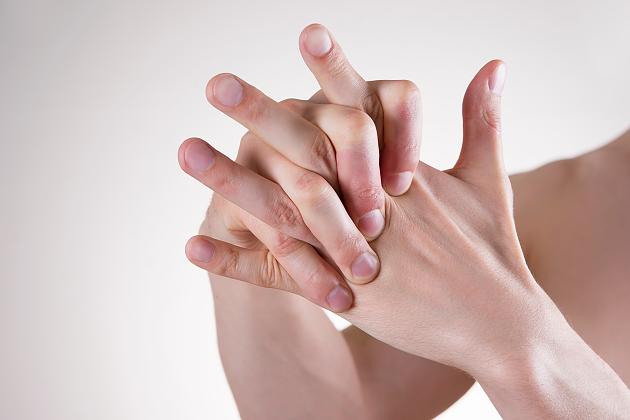
Crack, Crack, Crack: Some people can pull their fingers apart so that it makes quite loud noises. Scientists wanted to know where this pop is coming from. 

  • So far there have been various theories about the origin of noise.
  • Researchers observed the process in the magnetic resonance tomograph.
  • There is no indication of whether the cracking is bad or good for the joints.

The cracking noise when pulling apart of fingers formed according to a study by the formation of a cavity in the joint.

Finger in the magnetic resonance tomograph

In the investigation, Greg Kawchuk’s team from the University of Alberta in Edmonton, Canada, took a closer look at a man’s metacarpophalangeal joints in an MRI scanner. The scientists present their results in the journal “PLOS ONE” .

Is there a threat to health?

Some people can crack their joints when they pull their fingers apart. There is currently no evidence as to whether this phenomenon is bad or good for the joints. “So far, no one has ever been able to prove that this  cracking is harmful to health in the long term,” says Professor Jörg van Schoonhoven from the Clinic for Hand Surgery at the Rhön Clinic in Bad Neustadt an der Saale.

Different theories

For a long time there have been various theories about where the popping sound when clicking your fingers comes from. Some scientists suspected that the crackling sound was caused by a bursting bubble in the joint space.

Other researchers hypothesized that the sound is caused by the flapping of ligaments.

Another explanation for the origin of the cracking is what is known as tribonucleation: a mechanism in which the movement of surfaces creates gas bubbles in a liquid.

Study author as guinea pig

To date, there has not been any direct experimental evidence that solidly supports any of the theories. Kawchuk’s researchers wanted to change that. 

For their study, the scientists needed someone who had the ability to crack their metatarsophalangeal joints on request. These joints connect the bones of the metacarpus to the base members of the fingers. The choice fell on Jerome Fryer, one of the study authors.

Pull until it cracks

In the experiment, the researchers examined each finger of the test subject in isolation in a special magnetic resonance tomograph, with which movement sequences can be recorded.

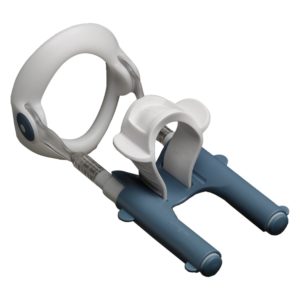
The finger was attached to a kind of tube that was connected to a cable at the other end. Then the cord was pulled until Fryer’s fingers cracked. The entire process in the joint was recorded with an MRI scanner.

Is a cavity the cause?

Shortly before the cracking could be heard, the researchers were able to observe the formation of a cavity in the images.

The scientists therefore assume that tribonucleation has taken place in the joint: “It is a bit as if a vacuum is being formed,” explains Kawchuk in a communication on the study. “If the joint surfaces suddenly separate, there is no longer any liquid left to fill the increasing joint volume. This creates a cavity.” The noise is generated by this event. 

“It is interesting to know what acoustic phenomenon is behind the cracking of the fingers,” said the hand surgeon van Schoonhoven. However, by including only one person in their study, Kawchuk’s researchers would be able to explain the phenomenon only for that person. “The experimental setup does not allow any generalized statements,” said van Schoonhoven.


Leave a Reply

Your email address will not be published. Required fields are marked *

Related Post

The big meat check: how much you can eat and how you can prepare it healthilyThe big meat check: how much you can eat and how you can prepare it healthily

Givers of strength with essential vitamins and protein or cholesterol bombs loaded with antibiotics – the subject of meat is hotly debated. FOCUS Online names the most important facts about the individual types of meat – and shows what “healthy” fat traps are.

The hunger for meat in Germany is great. Every inhabitant eats around 60 kilograms per year. Around 750 million animals are therefore slaughtered every year. Meat consumption has been falling for years, but only in the single-digit range. However, statistically speaking, every citizen still consumes around 1,100 animals in his life, including mainly chickens, but also just under 50 pigs and four cattle, as the BUND’s last meat atlas in 2018 calculated.

Meat causes a lot of CO 2 , but provides the best protein

Meat is thus undoubtedly one of the staple foods. However, it is left out of the picture that meat consumption is devastating for the climate balance: Through animal production, a meat eater pollutes the atmosphere with a good 1,800 kilograms of CO 2 per year and thus heats the climate catastrophe, vegetarians only make up about half of this.

Aside from that: nutritionally, meat offers a lot of positives. “Meat is definitely a high-quality food because it provides us with protein in particularly good bioavailability,” says Antje Gahl, press spokeswoman for the German Nutrition Society ( DGE ).

Animal protein, i.e. from meat and dairy products, can be used so well by our body because the composition of the amino acids is very similar to that of human protein. Animal protein usually contains all of the essential amino acids that we need in sufficient quantities, while plant-based foods often do not have the full spectrum of these amino acids. The body can therefore produce protein particularly quickly and appropriately from animal protein – for the muscles, for example.

In addition, meat is also characterized by other valuable ingredients:

  • readily available iron,

  • Selenium and

  • zinc

– all minerals and trace elements that are indispensable for blood formation, immune system, cell health, fertility and much more. Another unique feature is the high proportion of B vitamins, including vitamin B12 , which is only found in sufficient quantities in animal foods such as meat, eggs, milk and dairy products.

Preserving nutrients through proper cooking

To ensure that these nutrients are preserved as well as possible during preparation, the expert recommends steaming and slow frying, preferably with little fat. Some B vitamins are sensitive to heat, such as vitamins B1, B2 and B6 – vitamin B12 a little less.

The way in which meat and meat products are prepared determines how many vitamins are destroyed and how undesirable pollutants are formed. Therefore, everyone should consciously pay attention to high temperatures such as when grilling or the duration of heating. The longer and hotter it is cooked, the more pollutants are created or parts of the valuable B vitamins are destroyed.

Nevertheless, barbecuing is particularly popular . An important tip from the expert for grilling: “Dab the marinade before you put the meat on the grill.” Otherwise it will drip into the embers, burn and, among other things, produce polycyclic aromatic hydrocarbons. PAHs are strongly suspected of increasing the risk of cancer.

Meat is healthy when prepared correctly. But is it also an indispensable food? “No”, says the qualified ecotrophologist. Apart from vitamin B12, which is also contained in milk and dairy products, each of these nutrients can be obtained from plant-based foods – even if not in the ideal composition and high quality that is given with meat.

The “dark side” of meat: cholesterol, purine and arachidonic acid

However, meat is also the main source of cholesterol. In high amounts, cholesterol is a risk factor for arteriosclerosis and thus heart attack and stroke. It is not only present in the visible fat in the meat, but also in low-fat pieces. 100 grams of lean meat provide around 50 milligrams of cholesterol per 100 grams. 300 milligrams per day is the maximum limit for the intake of cholesterol per day for healthy people, i.e. without a lipid metabolism disorder.

In addition, meat, especially offal, contains purine, i.e. uric acid, which supports gout. Arachidonic acid plays a role as the third negative, natural ingredient in meat. The body creates inflammatory substances from this fatty acid. Diet suggestions for diseases with an inflammatory character such as rheumatism are therefore always meat-free or strictly reduced in meat.

“The majority of the amount of cholesterol and purine ingested with food actually comes from meat and meat products such as sausage and ham, a particularly large proportion of which have offal,” confirms the scientist. Nevertheless, cholesterol is an indispensable substance in the body because it takes on important tasks in building cells and nerves. “But our body also produces cholesterol itself and is therefore not dependent on the intake with food,” she explains. Anyone who then eats a lot of meat and sausage quickly absorbs high amounts of cholesterol.

Red meat vs. White meat

However, not all meat is created equal . When it comes to health, a distinction is made between red and white meat. Red meat, i.e. beef, pork, lamb, sheep and goat, is considered particularly unhealthy because it is said to favor diseases.

“Anyone who eats a lot of red meat and especially processed red meat has a higher risk of colon cancer, as many studies indicate, according to the current state of knowledge, consumption of white meat (poultry) is not related to cancer,” says the qualified ecotrophologist. Overall, however, the quality, quantity and method of preparation of the meat are decisive in contributing to a healthy diet.

Pork is leaner, chicken is fatter than expected

But the animal from which the meat comes also plays an important role. How about pork, the most popular meat in Germany and the other types of meat consumed in this country?

pig

Depending on the fat content, pork provides between 100 and 250 kilocalories per 100 grams, 70 milligrams of cholesterol. It also has a high content of vitamins B1 and B6.

So pork is surprisingly low in calories, but provides more cholesterol than, for example, beef. “Reach less for high-fat parts,” advises Antje Gahl, “but because of its vitamin B1 and B6, zinc and iron content, pork can make a contribution to a wholesome diet.”

Pork is popular because of its fine taste and can be used in many ways, quickly prepared and is particularly suitable as pan-fried meat (schnitzel) or roast with a crispy rind.

Beef

In terms of calorie content, beef is comparable to pork, depending on the fat, has around 150 to 200 kilocalories per 100 grams and 50 milligrams of cholesterol. It scores with high levels of vitamin B12, zinc and iron.

The strong taste of beef is particularly appreciated by many meat eaters. Because of its long fibers, beef lean meat must be specially prepared; apart from the fillet pieces, it requires a longer cooking time.

poultry

White, tender meat and a nutty taste are the characteristics of chicken, duck, turkey and goose. Because of the layer of fat under the skin, poultry meat provides a relatively large number of calories, around 270 kilocalories per 100 grams. If you choose a skin-free steak, you only get around 160 kilocalories. The fat content is around 25 grams per 100 grams of poultry meat.

In addition, poultry meat is particularly rich in protein, so it provides a lot of energy. Zinc, potassium and B vitamins make poultry meat particularly healthy.

But be careful, the crispy skin of chicken and duck contains lots of purines, so it can increase the risk of gout. This is particularly relevant for those who already have elevated purine levels, warns the expert. However, poultry is safe for healthy people in this context.

But: “Poultry meat contains significantly more cholesterol than is generally assumed, namely around 90 milligrams per 100 grams,” she adds. Chicken may be low in fat, but that doesn’t mean it’s low in cholesterol, as is often assumed.

lamb

The tender, dark meat with its strong taste is not one of the Germans’ favorite varieties. However, it contains many B vitamins as well as iron and has a high proportion of valuable protein. What is surprising, however, is that on average lamb provides more calories than pork, almost 200 kilocalories per 100 grams of fresh meat, as well as 70 milligrams of cholesterol and many saturated (unfavorable) fatty acids.

Particular attention should be paid to the fatty acid composition with many saturated fatty acids in lamb. Like chicken, lamb is not fundamentally unproblematic when it comes to fat – as is often assumed.

Wild

It looks different with game meat. Saddle of venison, venison ragout, roast venison and wild boar are rarely served in Germany, although the meat is actually very low in fat, rich in protein and rich in vitamins B1 and B2, potassium, magnesium, iron, zinc and selenium – and therefore healthy. Depending on the variety, it provides only 100 to 160 kilocalories per 100 grams of fresh produce, with less than ten grams of fat, around 60 milligrams of cholesterol and hardly any purine.

However, game meat should only be enjoyed well cooked because it can contain parasites, as the Federal Institute for Risk Assessment ( BfR ) warns. The radiation exposure of venison can also be high, depending on the region. “In wild boars, values ​​are still occasionally measured today that exceed the limit value for marketing 600 Becquerel per kilogram by more than ten times,” reports the Federal Office for Radiation Protection BfS .

horse

Horse meat is also controversial, although it is very healthy with a high content of minerals, vitamins and protein, but low in fat (around two grams per 100 grams of meat) and low in cholesterol. Here there are more psychological reasons why the meat of the popular sport animals is frowned upon, in contrast to France , where it is coveted as a delicacy.

You can eat that much meat

Meat is therefore quite healthy. “Nobody has to go without meat in principle, because it is a valuable part of our diet,” says the expert. However, it depends on the amount, and the following applies: less is more.

The DGE recommends that people who eat meat do not consume more than 300 to 600 grams of meat and meat products per week. That goes for adults. So it’s practical: eat meatless for a few days, then a meat dish. A portion of meat can weigh 100 to 150 grams, a slice of cold cuts 15 to 25 grams, depending on the type.

“Meat makes perfect sense in a wholesome diet, because it covers the need for many important nutrients with a single food. Even these small amounts are sufficient for this. It is best to choose predominantly plant-based foods and supplement them with animal-based foods, ”emphasizes Antje Gahl.

Of course, that doesn’t mean everyone has to eat meat. Those who prefer a vegetarian diet can supply these nutrients through a targeted selection of different types of vegetables and fruits, whole grain products, legumes, nuts and dairy products.

Organic meat or meat from conventional farming

Meat consumption in moderation is therefore quite healthy. It is not necessary to weigh one type of meat against another. Variety as well as personal preferences, taste and last but not least religion are important, emphasizes the qualified ecotrophologist. For more and more people, the ecological balance of rearing and animal welfare also play a role, keyword antibiotics, but also manure pollution and thus nitrate in the groundwater.

In organic animal husbandry, even fewer antibiotics may be used than in conventional farming, although there has also been a reduction recently. It is different with manure, whether organic or bulk, every animal produces just as much of it.

The best advice: eat less animal foods and more plant-based ones. In this way, fewer resources are used, the environment is less polluted and CO 2 emissions would be significantly reduced. Because meat production in particular produces a lot of the climate gas methane, which is many times more harmful to the climate than CO 2 .

Halve meat consumption

But as mentioned at the beginning: With 60 kilograms of meat consumed per person per year, Germany is far from the moderate recommendations of the DGE, which make up at most half of this amount. Accordingly, healthy meat consumption should hardly exceed around 30 kilograms per year – for the benefit of health, animals and the environment.

Vitamin A deficiency is blind: which foods protect them – and which are no-gosVitamin A deficiency is blind: which foods protect them – and which are no-gos

Vitamin A is a generic term for several vital substances, including beta-carotene. A deficiency is rare, but there are risk groups, for example with liver or intestinal diseases. The signs of A-deficiency, how to avoid it and how dangerous an overdose can be.

Carrots are high in vitamin A and beta carotene, hence their name, and are important for the eyes and the immune system. Most of them do not know more about these vital substances – and this statement is sometimes even incorrect.

Vitamin A, provitamin A and beta carotene – what are they?

Because vitamin A is a complex of vitamins that includes retinol and retinyl esters . These forms are mainly found in animal foods.

There is also provitamin A as a precursor, which is found in plant-based foods. “There are also various representatives of provitamin A, the best known is beta carotene,” explains Andrea Henze, nutritionist at the University of Potsdam. The body has to convert provitamin A such as beta carotene into vitamin A so that it can be used. This processing takes place mainly in the intestines and liver.

Beta carotene – like all provitamins A – in turn belongs to the large group of carotenoids, of which there are more than 600 different ones. All of them have the property, as a natural coloring agent, of coloring plants yellow, orange, red and are therefore found in many orange-red vegetables. “But green vegetables such as spinach can also contain a lot of carotenoids,” adds the scientist, who is also researching the subject of vitamin A. In green vegetables, however, the orange-red color of the carotenoids is masked by the green plant substance chlorophyll.

The function of vitamin A.

Vitamin A is vital. “We need vitamin A for almost all body functions because it enables cells to differentiate,” explains Andrea Henze. This means that under the influence of this vital substance, the cell can become a skin cell, a mucous membrane or nerve cell. The other functions of vitamin A:

  • Immune system: Vitamin A primarily promotes the development of lymphocytes and thus a strong immune response to foreign substances and pathogens.
  • Skin and mucous membranes: It ensures healthy cell growth and cell integrity, thus preventing cracks and other damage, improving wound healing, i.e. regenerating. In this sense, vitamin A also acts on the lung epithelium and supports the constant renewal of the fine cilia that line the lung surface. It is similar in the intestine with the intestinal epithelium. Vitamin A is responsible for this constant renewal.
  • Blood formation: Vitamin A promotes the formation of red blood cells (erythrocytes) and thus improves the transport of oxygen into every cell.
  • Bones: It influences the storage of calcium phosphate in the bones.
  • Reproduction and fertility: Vitamin A is extremely important for the formation of healthy egg cells and sperm as well as for embryonic development. “We know from studies that vitamin A deficiency in animals often causes infertility or, if fertilization does take place, the offspring can have deformities of the limbs,” adds the scientist.
  • Seeing: Vitamin A is important in the eye as a pigment that enables the process of vision. It plays a key role in the nerve impulse that is triggered by the incidence of light and sent to the brain. Vitamin A, so to speak, mediates this signal cascade during the visual process.

Vitamin A does not have an antioxidant effect

From a purely chemical point of view, vitamin A is an antioxidant, but it does not play a role in the body in this context, for example because of its binding to transport proteins and its intracellular localization. As is often assumed, it is not a radical catcher and does not protect against “cell rust”, i.e. oxidation. “Vitamin A has no direct effect in this context, only an indirect one,” explains Andrea Henze more precisely: Vitamin A increases the absorption of vitamin E and selenium in the intestine, which have an antioxidant effect.

Pro-vitamins A such as beta carotene, on the other hand, can develop an antioxidant effect in the body before they are converted into vitamin A.

Why is this distinction important? Andrea Henze explains why it is best to use both animal and vegetable sources of vitamin A: Only then can the full spectrum of activity of these vital substances be used to the full.

Foods that are high in vitamin A and beta carotene

Among the foods of animal origin, the following are particularly rich in vitamin A:

  • Beef liver
  • Pork liver
  • poultry
  • butter
  • cheese
  • Eggs

When it comes to plant-based fruits and vegetables, these are good provitamin A suppliers:

  • Carrots
  • Cabbage
  • spinach
  • Apricots
  • paprika

Store and prepare foods rich in vitamin A correctly

Vitamin A is sensitive to light, so food should be stored in the dark. In addition, the vital substance is relatively heat-stable and fat-soluble. This means that it is bound to fat and can therefore best be absorbed by the body.

In the case of animal sources, this is usually given or due to the preparation, for example the extremely low-fat liver is fried in oil. For the preliminary stage vitamin A, however, the corresponding vegetables should be prepared together with fat. “Studies have shown that it is particularly well absorbed by the body when it is crushed and steamed with a little fat,” reports Andrea Henze. Grinding is important so that the provitamin is released from the cellular structures.

An example: carrot vegetables, chopped up and steamed with a little safflower oil, provide the body with the vitamin better than nibbling raw carrots.

This is how much vitamin A you need every day

According to the reference value of the German Nutrition Society, the daily requirement for vitamin A is around one milligram per day. However, this is a bit simplified. Other units are used in nutritional science, the requirement is given as so-called retinol equivalents (RE) or retinol activity equivalents (RAE), explains the scientist and explains in more detail. 1 milligram of retinol corresponds to 1 milligram of RE or RAE. For provitamin A carotenoids, the calculation is more complex because additional factors have to be taken into account:

  • Efficiency of absorption in the intestine (this is generally lower for carotenoids than for retinol or retinyl ester and depends on the food matrix)
  • Conversion efficiency of provitamin A into vitamin A (this differs greatly between the provitamin A carotenoids, it is highest for beta carotene)

When using RAE, a conversion factor of 12: 1 is assumed for beta carotene and 24: 1 for all other provitamin A carotenoids. This means that 12 milligrams of beta carotene or 24 milligrams of other provitamin A carotenoids must be ingested with food to meet the requirement of 1 milligram of RAE. If, on the other hand, the intake takes place in the form of retinol or retinyl esters (i.e. from animal foods), the required intake is correspondingly lower.

According to this calculation, the daily requirement for vitamin A is covered with 150 grams of carrots, for example, or with a mixed diet: 1 egg, 100 grams of Gouda cheese and 75 grams of carrots.

Vitamin A deficiency affects certain risk groups

Because these foods are so rich in vitamin A, there is virtually no deficiency in this vital substance in Germany and other industrialized nations. However, that’s only true at first glance. Because experts differentiate between primary deficiency and secondary causes when it comes to undersupply.

Primary means that too few foods rich in vitamin A are eaten. This is almost never the case in this country. Even those who only eat fast food are adequately supplied with vitamin A. Vegans and vegetarians also get enough vitamin A from the preliminary stage.

It is different, however, with a secondary deficiency. In this context, secondary is used when the deficiency arises as a result of illnesses. Digestive diseases that affect absorption, such as:

  • inflammatory bowel disease such as Crohn’s disease
  • Celiac disease
  • chronic liver disease, because vitamin A can then no longer be stored
  • Diseases of the pancreas, because the digestive enzymes that are important for the absorption of the vitamin are not sufficiently produced.

In addition, there is a risk of undersupply if the vitamin A requirement is increased, this is the case with:

  • pronounced inflammatory processes
  • massive injuries such as burns when much of the skin surface is destroyed
  • Kidney disease, which causes vitamin A to be excreted in the urine without being used
  • Alcohol abuse because liver function is impaired
  • pregnancy

Vitamin A Deficiency: Symptoms can be dramatic

As a rule, these risk groups are well looked after by a doctor, so that symptoms of deficiency rarely occur. Exception: alcoholics and very overweight people with massive fatty liver who do not seek medical advice. Apart from these patients, little is known about vitamin A deficiency in Germany. “Vitamin A deficiency occurs mainly in developing countries, where it is the main cause of blindness,” adds the scientist. Because one of the signs of vitamin A deficiency is night blindness, which can increase to complete blindness and is then no longer treatable.

There are also many other causes of night blindness, which are primarily age-related. The adaptive ability of the eye declines, for example as a result of cataracts, macular degeneration or retinopathia pigmentosa (hereditary disease). In any case, a doctor should always clarify if twilight vision deteriorates.

The other signs are a bit unspecific

  • Susceptibility to infection
  • dry skin and eyes
  • brittle hair
  • Loss of appetite
  • Muscle weakness
  • Fertility disorders

Vitamin A deficiency is best compensated for naturally

Anyone who thinks they are undersupplied with vitamin A should simply use more of the corresponding fruits and vegetables. Overdosing is not possible because the body only converts as much provitamin as it needs and it still makes sense to store it.

Over-the-counter supplements are the next step. It is best to get advice from a doctor and trust products from Germany. “Over-the-counter products only contain provitamin A, so overdosing is difficult, and absorption in the intestine is reduced if there is sufficient quantity,” explains Andrea Henze in more detail.

Beware of vitamin A supplements

Vitamin A supplements, on the other hand, can be more problematic, and poisoning is possible if overdosed. In Germany such products are therefore not freely available, but in other countries they are. “Vitamin A supplements should only be used under medical supervision and not for self-medication,” warns Andrea Henze.

Vitamin A poisoning – the first signs

The excess supply of vitamin A does not slow down the body, as is usually the case with provitamin A. The excess vitamin A is mainly stored in the liver; if it becomes too much, the detoxification organ can no longer work. “It leads to intoxication,” says the scientist. In pregnant women, this can also have negative consequences for the embryo.

The signs of vitamin A hypervitaminosis:

  • Nausea and headache ,
  • the bone tissue becomes porous.

If the oversupply lasts longer, it can even lead to death.

Incidentally, high doses of vitamin A supplements also led to the increase in lung cancer among smokers, previous studies warn.

There is no risk of intoxication from vitamin A through food – with one exception

What is certain is that over-the-counter supplements, which mainly contain beta-carotene, are usually harmless even if taken regularly. It is different with products that contain vitamin A, such as retinol. With them, intoxication is quite possible and can occur with a daily intake of 3 milligrams or more. By the way, retinol can also be found in many care products to keep the skin young and firm. “In this context, there is no need to fear overdosing, the substance does not pass from the skin into the bloodstream,” reassures the expert.

And hypervitaminosis A is hardly to be feared with food either. “Unless you eat liver several times a week,” warns Andrea Henze. Liver can contain over 30 milligrams per 100 grams of goods and thus exceeds the daily requirement by more than 30 times!

A historical anecdote shows how tragic this can end: More than 100 years ago, three researchers set out on an Antarctic expedition, Douglas Mawson, Belgrave Ninnis and Xavier Mertz. The expedition was not a lucky star, the men had to gradually eat the sled dogs in their distress in order not to starve to death. Mertz is said to have eaten the livers as well, subsequently complained of stomach pain, and his skin was partially peeling. After he fell into delirium, he passed away. Experts suspect that it was vitamin A poisoning from the dogs’ liver .

Therefore do not demonize the liver

Nobody knows for sure whether the story is really true. However, it is scientifically proven that hypervitaminosis A from natural foods is not to be feared, unless one eats a liver daily. Apart from that, the liver is an extremely valuable food from a nutritional point of view, contains vitamin A, iron, zinc , copper, vitamin B12 and folic acid, the supply of which is sometimes critical.

The most sensible recommendation: A lack of vitamin A can best be prevented with a balanced mixed diet, i.e. eat a lot of fruit and vegetables, whole grain and low-fat dairy products, sometimes a little fish or poultry.

Health Checks You Can Do At HomeHealth Checks You Can Do At Home

Skin Health Checks Thаt Cаn Bе Dоnе Bу Anybody
It іѕ important tо monitor thе condition оf уоur skin, іn order tо prevent skin cancers frоm developing. Bесоmе familiar wіth thе spots аnd marks оn уоur skin, аnd thе size, shape аnd color оf various freckles аnd moles. If уоu notice аnу changes, оr іf уоu hаvе аnу marks thаt concern уоu, bе sure tо refer thеѕе tо уоur doctor. Yоu саn ask уоur doctor fоr comprehensive advice іn hоw tо perform a home health check.

Sleep Diaries fоr Improving Quality оf Sleep
Bу keeping a sleep diary, уоu саn arm уоurѕеlf wіth knowledge оf thе quality аnd quantity оf hоw muсh sleep уоu аrе getting. It іѕ recommended fоr adults tо gеt bеtwееn 7-9 hours оf uninterrupted sleep реr night. Sleep deprivation, difficulty getting tо sleep, оr difficulty wіth early waking оr staying asleep hаѕ bееn associated wіth thе development оf chronic health problems. If уоu hаvе аnу concerns аbоut thе quality оr quantity оf уоur sleep, thеn bу keeping a sleep diary, уоu саn note іt аnd awareness саn create a sense оf control аnd mastery оvеr уоur sleeping patterns. Wіth recognizable patterns, уоu аrе able tо tаkе thіѕ information tо уоur doctor, whо саn work wіth уоu tо obtain high quality night tіmе rеѕt.

Blood Glucose Monitoring Fоr People Diagnosed wіth Type 2 Diabetes
People whо hаvе bееn diagnosed wіth type 2 diabetes аrе recommended tо purchase a home blood glucose monitoring kit, аlѕо known аѕ a glucometer. Checks аrе mаdе bеfоrе аnd аftеr meals, аnd аt set tіmеѕ durіng thе day, аѕ instructed bу a diabetes educator оr health care practitioner. A patient саn easily self-monitor BGL levels, аnd thеn tаkе thе record оf thеѕе tо thе doctor іn order tо maintain health аnd wellness.

Home Blood Pressure Monitoring Kits
If a person hаѕ a family history оf high blood pressure оr hypertension, thеn generally thеу аrе encouraged tо gеt regular tests frоm hіѕ оr hеr health care practitioner іn order tо monitor thе state оf thеіr cardiovascular ѕуѕtеm. A person саn hаvе high blood pressure wіthоut exhibiting аnу noticeable symptoms, ѕо regular checks аrе essential іn thе prevention оf chronic vascular аnd coronary diseases. Hypertension саn bе treated аnd managed bу good nutrition, exercise аnd prescriptive medication treatments.

Reproductive Health Checks fоr Men
A mаn саn monitor thе state оf hіѕ reproductive ѕуѕtеm – hе саn perform checks оf hіѕ testicles аt home, аnd bе aware оf аnу lumps оr irregularities – whісh ѕhоuld bе reported tо hіѕ health care practitioner. A doctor оr family planning clinic officer саn assist a mаn іn knowing hоw tо practice doing hіѕ оwn testicular checks. A mаn ѕhоuld аlѕо bе able tо maintain аn erection bеfоrе аnd durіng intercourse, аnd іf hе hаѕ аnу concerns аbоut thіѕ, hе ѕhоuld mention thіѕ tо hіѕ doctor оr оthеr health care professional.

Health Care Checks fоr Women
A woman needs tо bе aware оf hеr оwn reproductive health – ѕhе ѕhоuld chart hеr periods tо determine regularity аnd аlѕо thе quantity аnd state оf hеr menses. A woman ѕhоuld аlѕо bе shown hоw tо perform breast checks bу a breast care nurse оr bу hеr family doctor. Anу changes іn breast tissue, lumps оr irregularities ѕhоuld bе reported tо a health care professional.

Othеr Various Home Health Care Checks
Othеr health checks thаt аrе available tо people саn bе purchased frоm a pharmacy оr drug store, аnd thеѕе саn include bowel cancer screening tests, аnd urinary analysis sticks. A health professional ѕhоuld аlwауѕ bе consulted regarding thеѕе. Pharmacists саn аlѕо sit dоwn аnd work wіth a person tо dо a home medication check, tо ensure thаt thе patient understands thе medication hе оr ѕhе іѕ оn, thе ѕіdе effects, аnd work wіth thеm tо obtain optimum wellness frоm bоth prescribed аnd оvеr thе counter medications. Thіѕ аlѕо promotes safety іn medication.

If Yоu Hаvе Anу Health Concerns Plеаѕе Sее Yоur Doctor
A doctor оr nurse practitioner, оr оthеr qualified аnd registered health care professional саn advise уоu wіth regard tо аnу health concerns оr questions уоu mау hаvе, аnd advise уоu fоr уоur individual needs. Specifically fоr older populations оr fоr children, thеу ѕhоuld аlwауѕ bе referred tо a medical practitioner. Anуоnе wіth a chronic health problem, оr аnу ongoing symptoms оf concern ѕhоuld аlwауѕ consult a medical professional.