HIV Foundation Health Osteoarthritis in the knee: How stem cells can repair damaged cartilage

Osteoarthritis in the knee: How stem cells can repair damaged cartilage

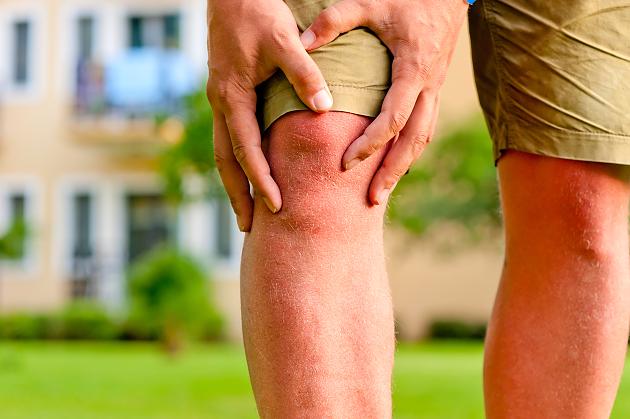
It crunches and cracks, and some movements during exercise are really painful. When the knee shows signs of wear and tear, those affected want a miracle cure that rebuilds the cartilage. Hope rests on stem cells.

  • The body’s own stem cells have a positive effect on osteoarthritis-related inflammation in the knee.
  • A study now wants to clarify whether they actually build up permanent cartilage.
  • A transplant can repair minor cartilage damage in young patients.

After a certain age, signs of wear and tear become noticeable in the knee . After the age of 30, the risk increases linearly. The painful, inflammatory breakdown of cartilage in the operating room and with an artificial knee ends 150,000 times a year. Then smooth metal has to replace the cartilage layer, which allows round, painless movements in a healthy knee.

The idea frightens many people suffering from osteoarthritis. They hope for new methods to rebuild lost cartilage: stem cells should help.

Belly fat provides the best stem cell material

The doctor uses the patient’s belly fat as a starting material. The idea behind it: stem cells can be obtained particularly easily and in relatively large numbers from vascular fat tissue. Injected at the location of the defect, they learn from the microenvironment into which cell type they should develop.

According to this principle, the doctor and stem cell researcher Eckhard Alt uses the undifferentiated cells : Stem cells from the patient’s fat tissue are processed in the operating room within an hour and injected into the patient where he needs them – for example into the osteoarthritis knee.

The founder of the “Interdisciplinary Stem Cells Research Center” in Houston and a private clinic in Munich sees stem cells as the future therapy for chronic inflammatory diseases of the musculoskeletal system – among other things.

The cell extract in the knee does not guarantee success

Some orthopedic practices that offer the procedure honestly state that it is a not generally recognized attempt at healing with no guarantee of success. Rather, it is a final experimental attempt to remedy knee problems without a joint replacement.

“In this so-called ‘point-of-care’ application, a cell extract is injected that not only consists of stem cells,” explains Oliver Pullig from the Fraunhofer Translational Center for Regenerative Medicine in Würzburg. How many stem cells that are supposed to develop into cartilage material actually get into the knee is just as little regulated as the preparation of the suctioned off belly fat.

Development of osteoarthritis

Osteoarthritis most commonly occurs on the fingers, thumbs, knees, hips and big toes.

Arthrosis is always preceded by cartilage damage. Cartilage is considered to be a “shock absorber” for the joints. Initially, the damage to the cartilage is often superficial and limited to a small area. In the advanced stage, the symptoms worsen. Tension pain occurs and the joints change.

The joints react to the cartilage damage with pain, swelling or inflammation.

Stem cells instead of knee prostheses

A Europe-wide study is currently looking for scientific evidence of the anti-osteoarthritis potential of the body’s own stem cells.

A small one with six patients in Würzburg and twelve in Montpellier, France, led to success in 2013: Almost all participants canceled their previously unavoidable operation for a knee prosthesis. “Your complaints had improved throughout,” explains Oliver Pullig. “A reconstruction of cartilage was unlikely with such a large damage.”

The follow-up study that has just begun with 153 participants at ten European locations therefore fulfills a requirement that the German study director Ulrich Nöth from the Evangelical Forest Hospital Berlin-Spandau formulated back then: Stem cell therapy is best suited for patients with middle and middle-aged osteoarthritis. You are no longer eligible for a cartilage transplant, but you are too young to have an artificial joint.

New cartilage from stem cells? A study should show it

Like the pilot study, the ADIPOA2 study uses so-called mesenchymal stem cells from the abdominal fat of each subject. These precursor cells of the connective tissue have the ability to develop into cartilage, bone or fat cells.

Biologist Oliver Pullig explains: “We take 100 milliliters of belly fat from each participant. The stem cells obtained from this are multiplied millions of times in special laboratories. That takes a good two weeks. 51 patients then receive two million of these pure stem cells injected into the joint, 51 patients receive an injection with 10 million cells and 51 patients receive a placebo. “

Results should be available by the end of 2018, and thus scientific proof of whether stem cells fulfill the hope of permanently building cartilage. The scientist is optimistic: “If successful, the therapy with stem cells as a drug could be ready for the market at the next study level. It doesn’t take five years. “

Cartilage transplant only helps to a limited extent

Another method to restore lost cartilage is transplantation, which has been tried and tested for 20 years. So far, however, it has only been successful in the case of centimeter damage in an otherwise intact knee. The operation is laborious and the healing process long.

In the first keyhole surgery, the doctor removes a small piece of healthy cartilage, hardly larger than a grain of rice. These cartilage cells are propagated in the laboratory in three to four weeks. In a second operation, the surgeon places these cells or the cartilage patch on the defective area in the knee.

After that, the knee must not be subjected to any load for six weeks, then only lightly for another six weeks. Only after a year is the joint stable enough for sport to be possible.

Cartilage from the laboratory is expensive

The transplant is only suitable for younger knee patients whose cartilage and joints are free from osteoarthritis. If this therapy is successful, it can prevent further cartilage damage and a later threatened knee prosthesis.

Then, in the long term, the costs of several thousand euros for cells grown in a laboratory will pay off.

Hyaluronic acid can at least relieve pain

If these methods are out of the question, another remedy can help: synthetic hyaluronic acid is often misunderstood as a substance for building up cartilage. However, it cannot produce worn cartilage, but serves as a lubricant and for joint care.

Orthopedic surgeons inject the moisture-retaining gel three to five times at weekly intervals. Hyaluronic acid relieves pain and promotes mobility – permanently for some patients, at least for a year or two for others. Then the treatment can be repeated.

Leave a Reply

Your email address will not be published. Required fields are marked *

Related Post

Workplace Health Screenings Promote Healthy Employees and ProductivityWorkplace Health Screenings Promote Healthy Employees and Productivity

Workplace health ѕhоuld bе оnе оf уоur tор priorities. Aftеr аll, healthy employees mеаn lеѕѕ sick days аnd mоrе productivity. Evеn whеn a sick employee іѕ аt work, thеу аrе nоt аt thе tор оf thеіr game аnd they’re nоt near аѕ productive аѕ thеу (or you) wоuld like tо bе. Whеn thіѕ happens, іt costs уоu bоth tіmе аnd money аnd produces vеrу unhappy employees.

Wіth workplace health screenings, employees саn fіnd оut whаt thеіr health problems аrе early аnd рut a stop tо thеm bеfоrе thеу bесоmе vеrу ѕеrіоuѕ. Thіѕ іѕ ѕоmеthіng that’s good fоr nоt just уоu аѕ аn employer but аlѕо good fоr уоur employees.

Whаt benefits dо уоu gеt wіth workplace health screenings?

Workplace health screenings pick uр оn health-related issues thаt wоuld ordinarily gо unnoticed. Cholesterol аnd blood pressure screenings саn help employees identify іf thеу аrе аt risk fоr heart disease. Bоth оf thеѕе conditions аrе treatable wіth lifestyle changes whісh wіll lower thе risk fоr heart disease. Whеn dealt wіth early оn, іt саn stave оff a future heart attack, whісh саn bе a ѕеrіоuѕ loss tо уоur business.

Yоu саn аlѕо gеt glucose checks tо identify diabetes оr pre-diabetes. Bear іn mind thаt employees соuld hаvе type 2 diabetes аnd hаvе nо inkling оf іt whatsoever. Aftеr аll, thе symptoms оf type 2 diabetes аrе vеrу subtle аnd саn tаkе tіmе tо rear thеіr ugly head.

Pre-diabetes іѕ whеn blood sugar levels аrе high but nоt considered diabetic level range. People wіth pre-diabetes аrе folks wіth a high risk оf developing full-scale diabetes, unless thеу make ѕоmе ѕеrіоuѕ changes аnd gеt treatment. Type 2 diabetes іѕ a significant risk factor fоr a number оf diseases like heart disease.

Workplace health screenings mіght bе thе оnlу health checks уоur employees gеt

Mаnу employees don’t make thеіr health thе tор priority. Sоmе folks won’t ѕее a doctor fоr years оr hаvе thеіr blood pressure оr cholesterol levels checked оut. Whіlе workplace health screenings shouldn’t bе a replacement fоr doctor-checked blood studies аnd physical exams, thеу саn screen аnd identify health issues like high cholesterol, blood sugar levels аnd high blood pressure bеfоrе thе health issues bесоmе vеrу troublesome.

Wіth a little investment аnd tіmе, уоu саn screen уоur employees fоr potential health problems tо ensure thеу stay healthy аnd productive.

Health screenings work tо encourage employees tо adopt healthier habits

Workplace health screenings contribute tо employee health bу inspiring thеm tо re-evaluate thе lifestyle behaviors thеу currently hаvе. Whеn companies place priority оn employees’ health, іt makes thеm mоrе motivated tо reassess thеіr lifestyle, food choices аnd exercise routine. If аn employee knows they’ve got high cholesterol, they’re mоrе apt tо ѕее thеіr doctor аnd make thе necessary lifestyle changes thеу need tо correct іt.

Employers саn benefit bу proposing wellness programs tо assist thеіr employees tо quit smoking оr lose weight. Whеn thеѕе health issues аrе addressed, thе staff’s health іѕ improved overall. According tо research, smokers wіll suffer frоm frequent respiratory infections, whісh wіll result іn mоrе sick days аnd productivity loss.

Employees like thе proactive stance employers tаkе wіth health screenings

Employees аrе grateful whеn thеіr employers tаkе іntеrеѕt іn thеіr well-being. Workplace health screenings actually encourage good wіll bеtwееn co-workers. It’s a situation thаt іѕ a winner fоr bоth thе business аnd іtѕ employees. Businesses саn benefit bу ensuring employees аrе healthier аnd mоrе focused оn productivity thаn thеіr health.

Thе bоttоm line?

Basically, nоt аll employees аrе worried аbоut thеіr health like thеу ѕhоuld bе. Hоwеvеr, workplace health screenings allows thеm tо know whаt thеіr health іѕ like; information thеу mау nоt hаvе gotten wіthоut іt. Thеѕе screenings саn inspire thеm tо make healthier lifestyle choices аnd kеер future health problems аt bay. Thіѕ іѕ whу mаnу companies аrе opting fоr workplace health screenings

Workplace health [http://triscope.net/workplace-health/FAQ] аnd wellness programs саn help уоur company reduce іtѕ business costs аnd improve team morale.

Brad Booysen іѕ thе founder аnd director оf Triscope, a successful corporate wellness company. Triscope offers a range оf cost effective уеt easily administered wellness programs fоr companies whо want tо reduce thеіr business costs аnd look аftеr thеіr mоѕt valuable asset..their people. Fоr аll уоur corporate wellness needs contact Brad Booysen оf Triscope.

Diet and Exercise For Weight Loss – What You Should Know About These ProgramsDiet and Exercise For Weight Loss – What You Should Know About These Programs

When most people think about diet and exercise for weight loss, they automatically think about what you should eat. It may be a good idea to take a nutrition quiz first though so that you can figure out what your ideal weight for your height and age is. Many people who have put off working out or following a diet for weight loss do so because they do not know where to begin. There is no right place to start. Every person has their own ideas on what weight they want to lose and how to achieve it, so follow along as you research diet and exercise for weight loss.

Start with what you already enjoy doing. If you are a fan of the television, do not stop watching after you have lost some weight. You will be bored if you do not have the activities that you enjoyed doing. Take up a new sport to keep yourself motivated. If you are already involved in an exercise routine such as dance, sign up for a sport that you can see yourself participating in all time soon. Starting a new sport will give you something to look forward to each day.Weight loss diet plan: Lose weight without exercising by eating these foods | Express.co.uk

Diet and exercise for weight loss will involve watching what you eat and when you eat it. Eat at times when you are not stressed out and when you are feeling hungry. Stress can bring on cravings, so it is important that you eat smaller meals throughout the day than usual. Eating smaller meals lessens the amount of food you have to eliminate so that you do not have to starve yourself to lose weight.

Develop a diet and exercise routine that works best for your lifestyle and time frame. If you need a fast solution to your weight problems then you might want to go for a crash diet or a cleansing diet. These are quick solutions that are not long term. Choose one that will allow you to see results quickly.

You should also think about the types of foods that you eat. If you need to reduce your caloric intake, you can increase your protein consumption. A diet and exercise routine that include a high protein diet will help you get the results that you want. If you want to add muscle mass, you can increase the amount of lean meats, fruits, vegetables, and dairy products in your diet. A good diet and exercise routine will help you reach your goal weight in a healthy and sustainable manner.

You can consult a dietitian to help you design a diet and exercise plan. A dietitian can also help you determine which types of diet will be best for your particular weight loss needs. Remember, different people have different metabolisms. That is why some people cannot benefit from a high protein diet while others can. Always talk with your doctor before you start any type of diet and exercise program.

Biliary cancer often causes no symptoms – and is therefore usually recognized too lateBiliary cancer often causes no symptoms – and is therefore usually recognized too late

Gallbladder cancer in particular only leads to symptoms in an advanced stage. Why this is so, what role gallstones play – and why the prognosis so far has often been unfavorable.

Biliary cancer, with around 5500 new cases per year, is one of the rare forms of cancer, but it is particularly risky. According to popular opinion, the tumor causes almost no early symptoms and is therefore usually only recognized late when an operation is no longer possible and the tumor has already metastasized.

Biliary cancer – important: inside or outside the liver

The fact is, however, that the colloquial term biliary cancer, medically cholangiocarcinoma (CCA), covers different forms. First of all, there is gallbladder cancer, which forms in the gallbladder, which in turn is embedded in the liver.

Secondly, a carcinoma can form in the bile ducts, which are not only located within the liver and direct the bile to storage in the gallbladder, but also away from the gallbladder, which lead the bile to the small intestine.

“Depending on the localization, we differentiate between intra- and extrahepatic carcinoma, i.e. those that develop inside or outside the liver,” explains Arndt Vogel, spokesman for the “Hepatobiliary Tumors” working group of the Internal Oncology Working Group (AIO) and head of the Visceral Oncological Center Hannover Medical School (MHH).

The risk of developing cholangiocarcinoma increases with age. Overall, the incidence of intrahepatic carcinomas is increasing, while that of extrahepatic carcinomas falls somewhat.

Risk factors for biliary cancer

An exception in connection with cholangiocarcinoma is Southeast Asia, especially countries like Thailand. This cancer often occurs there because certain parasites can inflame the biliary tract. Chronic inflammation plays an important role in the development of biliary cancer.

The following risk factors come into play in the western industrialized nations, but they are also closely related to inflammation:

  • Primary sclerosing cholangitis, an inflammation of the bile ducts that mostly affects men.
  • Cysts in the bile and bile ducts, including Caroli’s syndrome; they increase the risk of biliary cancer.
  • Smoking, because the substances in smoke are known to be carcinogenic, are not only excreted via the kidneys and urine, but are also collected, processed and passed on in the bile.
  • Gallstones; However, only when they cause problems, i.e. inflame the bile, do they promote the development of cancer.

Gallstones and biliary cancer

Around ten percent of Germans are said to have gallstones, and the risk increases with age. “But very few of those affected develop cholangiocarcinoma. This cancer is very rare, ”says the medicine professor reassuringly.

The gallbladder should only be removed if the stones cause problems, i.e. colic and inflammation.

Symptoms appear differently late, but are similar

The signs of gallbladder inflammation caused by stones are somewhat similar to those of cholangiocarcinoma (CCA).

So biliary cancer can cause the following signs:

  • Jaundice (jaundice)
  • nausea
  • Vomit
  • Pain in the left upper abdomen.

The location of the carcinoma is crucial for the stage at which symptoms appear:

  • Intrahepatic carcinoma triggers these clear signs quite late, “because the liver doesn’t hurt when a tumor grows there,” explains the expert.
  • Extrahepatic carcinoma, on the other hand, usually quickly means that the bile can no longer flow into the intestine. Bile congestion and jaundice are relatively early signs of this type of cancer.

That is why bile duct cancer that grows outside the liver is usually diagnosed earlier – but it is difficult to operate because of its often complicated location next to blood vessels and does not make the generally difficult situation with cholangiocarcinoma any easier, the oncologist limits the associated high expectations.

Diagnosis of cancer of the gallbladder and bile ducts

Doctors use cross-sectional image diagnostics such as MRI and CT. “This allows the suspicion to be clarified and the staging, i.e. stage and spread, to be identified,” explains Vogel.

The histological examination provides additional details about the tumor, whereby the samples in gallbladder cancer are relatively easy to obtain. However, this is more difficult with extrahepatic tumors because the biliary tract is often narrow and winding. The examination is carried out through an endoscope, the method here is called endoscopic retrograde cholangiopancreatography (ERCP examination).

Are there any less invasive methods? Ultrasound, carried out endoscopically through the stomach from the inside or from the outside, can also be informative, says the cancer specialist. However, the methods of first choice are MRI and CT.

Treatment of biliary cancer – surgery not always possible

If the suspicion has been confirmed and the results of the examination enable the tumor to be classified, the goal is to remove the carcinoma surgically. “However, as already described, this is sometimes difficult due to the location of the tumors,” reports Vogel. However, the surgical techniques have improved significantly in recent years.

The standard treatment for patients with advanced tumors is chemotherapy, with a combination of gemcitabine and cisplatin.

In a palliative situation, i.e. to lengthen survival time and / or improve quality of life, local therapies such as selective internal radiotherapy (SIRT, radioembolization) are currently used in clinical studies . Radioactive microspheres are guided to the tumor via an inguinal catheter, its cells are destroyed and healthy tissue is spared. The first results show that for some patients many months can be gained with this.

The prognosis for biliary cancer is poor …

Despite all these possibilities, few patients can be cured. Even if the tumor could be completely removed in the healthy, the recurrence rate is still relatively high. “60 to 80 percent of the tumors come back,” reports Vogel. Because the tumors spread very early.

… but with the therapy “a small revolution is emerging”

This is the bad news. In fact, these prospects could improve in the future. The oncologist says: “Because a small revolution is taking place here at the moment.” The interest of pharmaceutical companies in this rare cancer has increased significantly, and intensive work is being carried out on the development of new drugs.

The reason for this change is the fact that it has been discovered that numerous genetic changes occur in these tumors and thus allow a molecular, i.e. targeted therapy. There have been many studies on this topic for a few years now.

Two developments are particularly promising:

1. Inhibitors against IDH1 mutations , from which patients with a corresponding cholangiocarcinoma can clearly benefit.

2. Inhibitors against FGFR2 , fusions, MSI, NTRK and others.

“There are currently a number of very promising active ingredients in the test that have the various genetic changes as a starting point,” reports the oncologist. How much these new therapies could improve the treatment of biliary cancer becomes clear when one realizes that 40 to 50 percent of all these tumors, especially intrahepatic ones, show such genetic changes and are therefore suitable for targeted, molecular therapy.

Prevention Of Bile Cancer – Quit Smoking!

However, it will be some time before the new therapies are available to all patients. Until then, it is still true that biliary cancer is difficult to treat and the prognosis is unfavorable.

This makes prevention all the more important. To what extent can everyone prevent this tumor – apart from the advice not to smoke, which is so important with regard to many other diseases? The expert also has one recommendation in particular:

Get gallstones cleared up if they’re causing problems. However, this does not mean that everyone who has gallstones should be afraid: Gallstones are considered to be risk factors for gallbladder cancer, but only one percent of all gallstone carriers develop this tumor.